
Desserts
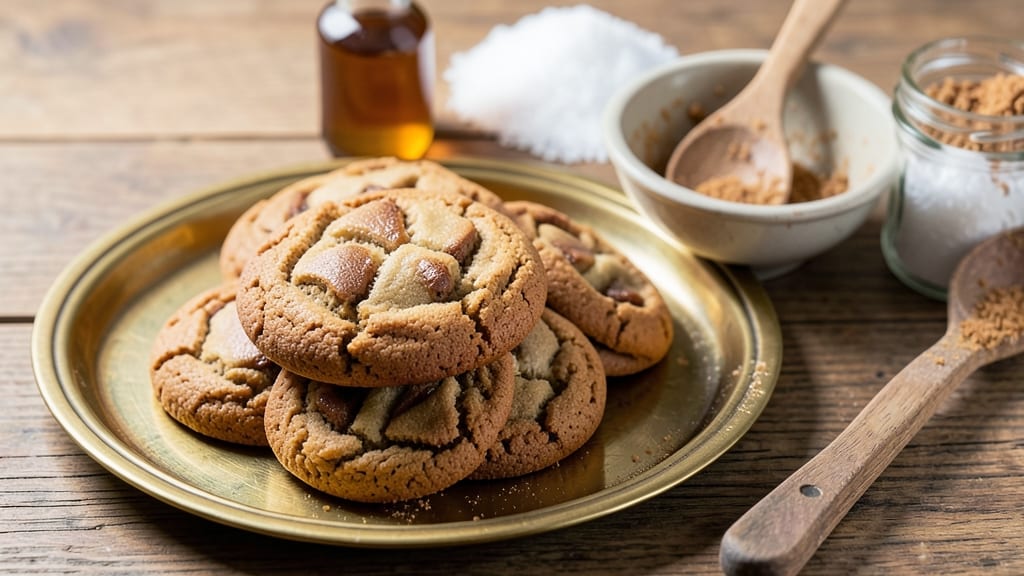
Alton Brown's cookie recipe transforms baking from guesswork into science—where precise measurements meet foolproof techniques for chewy centers and perfectly crisp edges. After years of kitchen experiments (and a few too many burnt batches), I've adapted his methods into a recipe that delivers restaurant-quality results every time.
The secret lies in understanding how ingredients interact, not just following a list.
This recipe combines Alton Brown's signature approach with simple, high-impact techniques: cold butter for crisp edges, brown sugar for caramel depth, and a 15-minute rest that develops flavor while preventing spreading. No fancy equipment required—just a standard mixing bowl and oven.
The result? Cookies with that signature crackly top and tender interior that melts in your mouth, all backed by the same principles Brown uses on Good Eats.
What makes these cookies truly special is their versatility—they work as classic chocolate chip, festive holiday treats, or even savory variations. The dough comes together in under 15 minutes, and with just 10 ingredients, you'll have warm, fragrant cookies ready in 12 minutes of baking time.
No more guessing temperatures or textures—just reliable, science-backed perfection that even my college kitchen disasters couldn't ruin.
Perfect for sharing with neighbors (or keeping for yourself), these cookies prove that great baking doesn't require complicated steps—just the right technique. Let's get baking with a method that turns your kitchen into a laboratory of delicious possibilities.
Ingredients for alton brown cookie
Ten ingredients, precise measurements, and Alton Brown's science-backed techniques for foolproof cookies.
| Ingredient | Amount | Notes |
|---|---|---|
| Unsalted Butter, Cold 🧈 | 1 cup | Cut into 1-inch cubes for even distribution |
| Light Brown Sugar, Packed 🍚 | 1 cup | Use light brown for caramel depth |
| Granulated Sugar 🍚 | ½ cup | For balanced sweetness and crisp edges |
| Large Eggs, Room Temperature 🥚 | 2 whole | Enhances dough cohesion and texture |
| Vanilla Extract 🍯 | 2 tsp | Pure Madagascar bourbon preferred |
| All-Purpose Flour 🌾 | 2 ½ cups | Sifted for aeration and even texture |
| Baking Soda 🧪 | ½ tsp | Ensures proper rise and chew |
| Diamond Crystal Kosher Salt 🧂 | ½ tsp | Enhances flavor without over-salting |
| Semi-Sweet Chocolate Chips 🍫 | 1 ½ cups | High-quality, 60% cacao preferred |
| Granulated Sugar, Extra 🍚 | ½ cup | For sprinkling on top edges |
The butter must be cold—this creates those signature crisp edges while maintaining a chewy center. European-style butter like Plugrá or Land O'Lakes European works best due to its higher fat content. Measure it accurately: pack the cups firmly and use a kitchen scale if possible for precision. The brown sugar should be packed—tap the cup to eliminate air pockets. For the chocolate chips, Ghirardelli or Guittard brands deliver superior melt-in-your-mouth quality. Store your butter in the freezer for 20 minutes before measuring to ensure it stays cold throughout mixing.
No vanilla extract? Vanilla bean paste provides a similar depth of flavor, though with added texture. Substitute the baking soda with 1 tsp baking powder if unavailable, but reduce the flour by 1 tbsp to maintain proper leavening. For a nutty variation, replace half the chocolate chips with toasted pecans or walnuts. The flour must be sifted to prevent dense cookies—use a fine-mesh sieve for optimal aeration. If you're baking at high altitudes, consider adding an extra 1/4 tsp baking soda to compensate for reduced air pressure. The extra sugar sprinkle on top isn't just decorative—it caramelizes during baking for that signature crackly crust.
Store cookie dough in an airtight container in the refrigerator for up to 3 days, or freeze for 3 months by portioning into balls. Baked cookies keep well in a sealed container at room temperature for 5 days, though they're best enjoyed fresh. For long-term storage, freeze on a parchment-lined tray, then transfer to a freezer bag. Reheat in a 350°F oven for 2-3 minutes to restore crispness. These cookies reheat beautifully—perfect for a quick snack when you need that warm, freshly baked experience without the effort.
Why You'll Love This Recipe
- No-Fuss Mixing: I swear by the cold butter trick—just cut it into chunks, toss with sugars, and let the dough come together like magic. No creaming, no fuss, and zero excuses for skipping it.
- Chewy-Crisp Balance: That light brown sugar caramelizes into a perfect chew, while the cold butter keeps edges crisp. Honestly, the first bite always makes me pause—it’s that good.
- Holiday or Snack: Pack these in jars for gifts, freeze dough for last-minute baking, or just grab one straight from the pan. (Yes, even on a Tuesday night.)
- Budget-Friendly Staples: Butter, sugar, eggs—ingredients you already own. The vanilla extract? A little goes a long way, and you’ll use it up fast. Pure satisfaction for pennies.
Step-by-step instructions for alton brown's cookie recipe
Mastering these precise techniques guarantees chewy centers and crisp edges every time.
Cream Butter and Sugars to Ideal Consistency
In a stand mixer fitted with the paddle attachment, combine the 1 cup unsalted butter, cold (cut into 1-inch cubes) with the 1 cup light brown sugar, packed and 0.5 cup granulated sugar. Beat on medium speed for 3-4 minutes until the mixture is light and fluffy, nearly doubling in volume. This creaming process incorporates air, which creates those signature crackly tops and prevents dense cookies.
The butter should be completely softened but not melted—press a finger into it to confirm it leaves a slight indentation. You'll know you've achieved the right texture when the mixture changes from pale to a soft, creamy beige color. This is where the science of cookie texture begins, so don't rush this step. The butter's fat content needs to properly emulsify with the sugars for optimal spread and chew.
Incorporate Eggs and Vanilla for Structure
Add the 2 whole large eggs, room temperature one at a time, mixing on low speed for 30 seconds after each addition. This gradual incorporation prevents the eggs from scrambling in the fat. After both eggs are fully incorporated, add the 2 teaspoons vanilla extract and mix for another 10 seconds until just combined.
The eggs provide structural integrity to the dough while adding moisture. Room temperature eggs blend more smoothly than cold ones, which helps create a uniform texture. Here's where the dough begins to take shape—you should see it coming together into a cohesive mass. If it looks too thick, don't panic; the flour will bind everything together in the next step.
Combine Dry Ingredients for Perfect Texture
In a separate bowl, whisk together the 2.5 cups all-purpose flour, 0.5 teaspoon baking soda, and 0.5 teaspoon diamond crystal kosher salt. Sift the flour mixture directly into the wet ingredients while the mixer runs on low speed. Mix for 30-45 seconds until just combined—you should still see small flour streaks. This prevents overdevelopment of gluten, which would make the cookies tough.
Remove the bowl from the mixer and gently fold in the 1.5 cups semi-sweet chocolate chips using a silicone spatula. The dough should hold together when pressed but still be slightly sticky. If it's too dry, add 1 teaspoon of milk (though our ingredients list doesn't include it, this is a common troubleshooting step). The chocolate chips should be evenly distributed throughout the dough, with no large clumps.
Chill the Dough for Optimal Spread
Cover the dough bowl with plastic wrap and refrigerate for at least 30 minutes (I prefer 1 hour for best results). This chilling step is crucial—it firms up the butter, which prevents excessive spreading in the oven. It also allows the flour to fully hydrate, creating better texture and preventing the cookies from flattening too much.
Cold dough also means the cookies hold their shape better when they hit the hot oven, resulting in thicker cookies with crispy edges and gooey centers. This step makes a massive difference in the final result. While the dough chills, preheat your oven to 350°F and line two baking sheets with parchment paper. The oven should be fully preheated before you begin baking.
Bake to Golden Perfection with Sugar Edges
Using a cookie scoop, portion the chilled dough into 2-tablespoon balls (about 1.5 ounces each) and place them 3 inches apart on the prepared baking sheets. Sprinkle each cookie with a pinch of the 0.5 cup granulated sugar, extra for those signature caramelized edges. Bake for 11-13 minutes until the edges are golden brown but the centers still look slightly underdone.
The cookies will continue cooking on the hot baking sheet after removal, so they should be soft in the middle when you pull them out. Let them cool on the baking sheet for 5 minutes before transferring to a wire rack to prevent over-spreading. The result should be cookies with crisp edges, chewy centers, and a beautiful caramelized sugar crust—just like Alton Brown's signature style.
Pro Tips For Making Alton Brown Cookie
- Cut Butter in Stages: Don’t dump the cold butter all at once—add it in 2-3 batches while mixing. This keeps the dough from turning into a greasy mess, especially when you’re using that much butter. I learned this the hard way when my first batch looked like cookie dough soup.
- Pack the Sugar: Light brown sugar must be packed tightly into the measuring cup—no tapping or shaking. Use a spoon to press it down firmly, or your cookies will spread too much and taste slightly off-balance. (Yes, even if the recipe says “packed,” I’ve seen people ignore it.)
- Chill the Dough: Skip the 30-minute rest if you’re in a rush, but don’t skip it entirely—at least 20 minutes in the fridge makes a real difference. The dough firms up enough to hold its shape when baking, so you won’t end up with flat, crispy pancakes instead of chewy cookies.
- Use Room-Temp Eggs: Cold eggs from the fridge will cause the dough to seize up and turn gummy. Let them sit out for 30 minutes before cracking them in—this ensures the butter stays cold while the dough stays workable. (I know, I know, but trust the process.)
Troubleshooting your alton brown cookie
Butter Too Soft?
If your butter melts during mixing, pop the bowl in the freezer for 5 minutes while you finish prepping other ingredients. This quick fix prevents excessive spreading. I've learned the hard way—once, I rushed and ended up with pancake-like cookies.
Always check your butter's temperature by pressing a finger into it; it should leave a slight indentation but not flatten completely. 🧈
Cookies Spread Too Much?
Your oven might be too hot or the dough wasn't chilled long enough. For next time, chill the dough for at least 1 hour and use an oven thermometer to confirm your oven reads 350°F (many run hotter).
I keep a Thermoworks Oven Thermometer in my kitchen—it's saved me from countless baking disasters. Also, try baking on the middle rack instead of the top.
Dry, Crumbly Texture?
This usually means overmixing or too much flour. Measure your flour by weight if possible (using a kitchen scale) for precise results. If you scoop from the container, spoon it in and level off—don't pack it down.
For an extra boost, add 1 teaspoon of milk to the dough if it feels too dry. The flour should be sifted before mixing to prevent clumps that create uneven texture.
Pale Centers, No Bite?
Your cookies need more time in the oven! They should have golden brown edges when done, even if the centers look slightly underdone. For thicker cookies, try baking on a dark-colored baking sheet (like a black steel pan) which absorbs more heat.
I also recommend rotating the pans halfway through baking for even cooking. The cookies will firm up as they cool, but they should have some chewiness when you pull them out.
Burnt Edges, Raw Centers?
This classic "doneness mismatch" happens when your oven has hot spots or the cookies are too crowded. Space them 3 inches apart and use the middle rack for even heat distribution. If your oven runs hot, reduce the temperature by 25°F and check for doneness at 10 minutes.
For extra insurance, bake one sheet at a time if your oven has uneven heating zones. A wire cooling rack helps with airflow while cooling prevents soggy bottoms.
Chocolate Chips Not Melting?
Your oven temperature might be too low or the chocolate chips aren't high-quality. Use Ghirardelli or Guittard chips—they melt more smoothly than store brands. For better results, spread the dough balls 2 inches apart and bake on the middle rack.
If you're concerned about melting, try using enrobé chocolate (like Valrhona) which has a higher cocoa butter content. Also, make sure your oven is fully preheated before baking.
Nutrition facts
Frequently asked questions
Why does Alton Brown's recipe use cold butter?
The cold butter creates those signature crisp edges while keeping the centers chewy. When properly chilled, the butter melts slowly in the oven, creating steam that prevents excessive spreading. This is pure science—fat content and temperature control the final texture!
Can I substitute brown sugar with white sugar?
You can, but your cookies will lose that signature caramel depth and moisture. Light brown sugar adds molasses that enhances flavor and chewiness. For a 1:1 swap, add 1 teaspoon of molasses per cup of white sugar to mimic the effect. The texture will be slightly different but still delicious!
How do I know when the cookies are done?
Look for golden brown edges with slightly underdone centers—they should pull away from the parchment paper. The edges will set as they cool, but the centers should still have a soft, doughy look. Overbaking leads to dry cookies, so trust your eyes and pull them when they look perfect!
Can I make these cookies without a mixer?
Use a sturdy wooden spoon or whisk to cream the butter and sugars by hand. Work in a large bowl for 5-7 minutes, scraping the sides frequently until light and fluffy. The key is patience—this takes more elbow grease but achieves the same result. Just be ready for a good arm workout!
What's the best way to store leftover dough?
Wrap the dough tightly in plastic wrap and refrigerate for up to 3 days, or freeze for 3 months. Portion into balls before freezing for easy baking later. Thaw in the fridge overnight before baking. The dough keeps beautifully this way, ready for spontaneous cookie cravings!