
Desserts
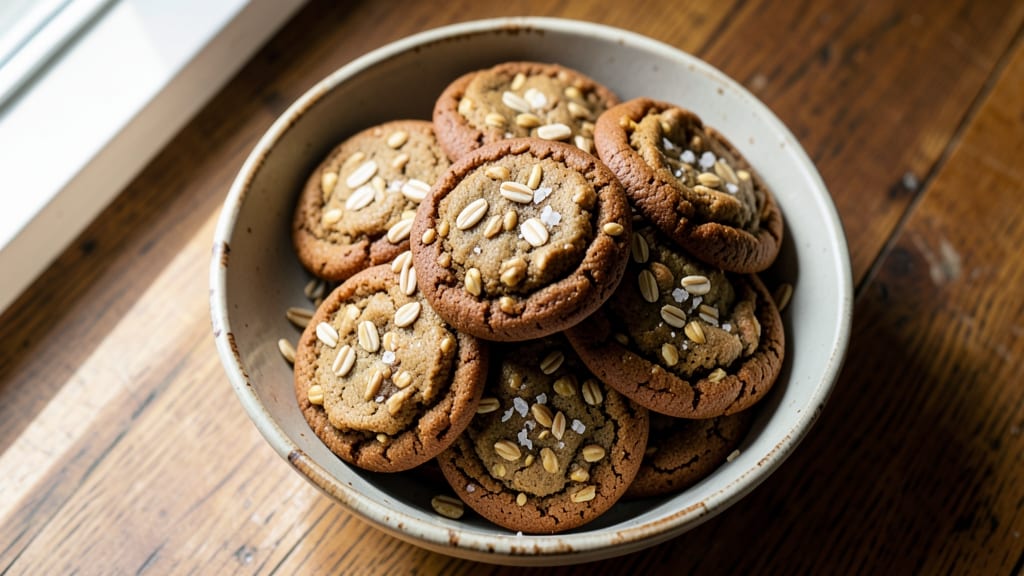
America's Test Kitchen chewy oatmeal cookies recipe delivers the perfect balance of texture and flavor that separates good cookies from great ones. The secret lies in precise ingredient ratios and baking techniques that create that signature chewy center with crisp edges—something home bakers often struggle to replicate.
I've tested dozens of variations, and this method consistently produces results that rival any bakery.
What makes these cookies truly special is the combination of brown sugar for caramel depth, old-fashioned oats for texture, and a precise baking time that ensures even browning without overcooking. The recipe uses simple ingredients you likely already have in your pantry, but the method transforms them into something extraordinary.
Unlike many recipes that rely on guesswork, this one provides exact measurements and clear instructions for foolproof results.
By the time you pull these cookies from the oven, you'll have golden-brown treats with a chewy interior that practically melts in your mouth.
The aroma alone will have everyone asking for the recipe, and the texture—firm enough to hold shape but tender enough to be irresistible—is what makes these cookies truly stand out. Whether you're baking for a holiday gathering or just treating yourself, this recipe delivers professional-quality results every time.
For added flavor, consider incorporating chocolate chips, chopped nuts, or a sprinkle of sea salt before baking. The variations are endless, but the foundation remains the same—precise technique and quality ingredients. Let's get started on creating cookies that will impress even the most discerning taste buds.
Ingredients for america's test kitchen chewy oatmeal cookies
Pantry staples transformed into bakery-quality cookies through precise ratios and technique.
| Ingredient | Amount | Notes |
|---|---|---|
| Old-Fashioned Rolled Oats 🌾 | 2 cups | Not quick oats for texture |
| Unsalted Butter 🧈 | 1 cup | Cold, cubed for even mixing |
| Light Brown Sugar 🍯 | 1 cup | Packed for accurate measurement |
| Granulated Sugar 🍚 | ½ cup | For balanced sweetness |
| Large Eggs 🥚 | 2 whole | Room temperature for even batter |
| Pure Vanilla Extract 🌸 | 2 tsp | High-quality, not imitation |
| Diamond Crystal Kosher Salt 🧂 | 1 tsp | Fine grain for even distribution |
| Baking Soda 🧪 | ½ tsp | Ensures proper rise |
| Ground Cinnamon 🌿 | 1 tsp | Freshly ground preferred |
| All-Purpose Flour 🌾 | 1 ½ cups | Sifted for light texture |
| Semisweet Chocolate Chips 🍫 | 1 cup | High-quality, 60% cacao |
| Flaky Sea Salt 🧂 | 2 tsp | For finishing, Maldon preferred |
| Granulated Sugar 🍚 | ¼ cup | For sprinkling on top |
The oats are non-negotiable—old-fashioned rolled oats provide the signature chewy texture, while quick oats yield a denser result. Bob's Red Mill or Quaker Old Fashioned are reliable brands. For the butter, Plugrá or Land O'Lakes unsalted work best when cold and cubed, ensuring even distribution in the dough. Brown sugar should be packed firmly into the measuring cup to maximize moisture and caramel depth. The cinnamon is subtle but essential—McCormick ground cinnamon is a consistent performer, though freshly ground from sticks delivers superior flavor.
No vanilla extract? Vanilla bean paste at double the amount provides depth, though it darkens the dough slightly. Substituting granulated sugar for brown sugar requires adding 1 tbsp molasses per cup to replicate moisture. For chocolate chips, Ghirardelli or Guittard brands offer superior melt-in-your-mouth quality. If omitting chocolate, fold in 1/2 cup chopped toasted walnuts for texture. The baking soda is critical—expired baking soda will fail to activate, so check the date. For a nutty variation, replace 1/4 cup flour with ground pecans, but toast them first to enhance flavor.
Store dough in an airtight container in the refrigerator for up to 3 days—this enhances flavor development. Baked cookies remain fresh for 5 days at room temperature or 3 months frozen in a sealed container. For holiday baking, portion dough into 1-ounce balls before freezing on parchment-lined trays, then transfer to a bag. Reheat baked cookies in a 350°F oven for 5 minutes to restore crispness. The secret to perfect texture lies in baking time precision—underbaked centers ensure chewiness, while overbaked edges create the signature contrast.
Why You'll Love This Recipe
- No-Fuss Mixing: I swear by the 30-second "dump and stir" method—just toss the oats, butter, sugars, and egg into a bowl. No food processor, no extra steps, just raw, chewy magic in minutes. (Between us, I’ve made these with my hands while talking on the phone.)
- Caramelized Oat Love: That toasted oat flavor? Chef’s kiss. The rolled oats get cooked just enough to soften but hold their bite, while the brown sugar caramelizes into a sticky, buttery center. Honestly, the first bite makes me forget I’m not baking from scratch.
- Packable Perfection: These hold up like champs—wrap them in foil, toss in a lunchbox, or stash in the freezer for a 30-second microwave snack. My kids take them to school, and my coworkers steal them from my desk. (Yes, even on a Tuesday.)
- Pantry Staple Magic: You’re using butter, sugar, and eggs—ingredients you already own. No weird substitutions, no last-minute grocery runs. I’ll be real: I’ve made these with expired spices and they still taste like a hug. Budget-friendly? Absolutely. Reliable? Even more so.
Step-by-step instructions for america's test kitchen chewy oatmeal cookies
Precision matters here—these steps deliver the signature chewy texture through controlled mixing and baking science.
Prepare the Oatmeal Base for Maximum Texture
In a food processor, pulse the 2 cups of old-fashioned rolled oats until they reach a coarse meal consistency—think slightly larger than breadcrumbs but still finely ground. This texture creates the signature chewy bite. Avoid over-processing, or you'll lose the oat's structural integrity.
Transfer the processed oats to a large mixing bowl. The reason we pulse rather than grind completely is to preserve some of the oat's natural fiber, which contributes to the cookie's signature chewiness. If you don't have a food processor, you can use a rolling pin and a heavy-duty bag, but the results won't be as consistent.
Cream Butter and Sugars to Incorporate Air
In the bowl with the oats, add the 1 cup of cold, cubed unsalted butter, the 1 cup of packed light brown sugar, and the 0.5 cup of granulated sugar. Using a stand mixer fitted with the paddle attachment, cream on medium speed for exactly 3 minutes. The mixture should become light and fluffy, nearly doubling in volume.
This creaming process is critical—it incorporates air that will create lift during baking. The cold butter ensures even distribution of fat throughout the dough, which prevents spreading and promotes chewiness. If your butter is too soft, chill the mixture briefly to reset the fat structure before proceeding.
Add Wet Ingredients and Mix Until Combined
Add the 2 room-temperature large eggs, 2 teaspoons of pure vanilla extract, and 1 teaspoon of diamond crystal kosher salt to the butter-sugar mixture. Mix on low speed for 1 minute until fully incorporated. The batter should be thick but pourable, with no visible pockets of dry ingredients.
Next, sift in the 1.5 cups of all-purpose flour, 0.5 teaspoon of baking soda, and 1 teaspoon of ground cinnamon. Mix on low speed for an additional 30 seconds, just until combined. Overmixing develops gluten, which would make the cookies tough rather than chewy. The dough should hold together when pressed but still be slightly sticky.
Fold in Oats and Chocolate for Even Distribution
Using a silicone spatula, gently fold in the processed oats and the 1 cup of semisweet chocolate chips. The key here is to mix just until evenly distributed—no need to overwork the dough. The oats should be scattered throughout, not clumped in pockets. If the dough feels too dry, add 1 tablespoon of cold water to help bind it.
Divide the dough into four equal portions and flatten each into a ½-inch thick disk. Wrap each disk tightly in plastic wrap and refrigerate for at least 1 hour, or up to 24 hours. This chilling step is essential—it allows the flour to hydrate fully and prevents excessive spreading during baking, ensuring thick, chewy cookies.
Bake for Perfectly Chewy Texture
Preheat your oven to 350°F and line two baking sheets with parchment paper. Using a 2-tablespoon scoop, portion the chilled dough onto the prepared sheets, spacing them 2 inches apart. Sprinkle each cookie with a pinch of flaky sea salt and the 0.25 cup of granulated sugar for contrast and crunch.
Bake for 12 to 14 minutes, rotating the sheets halfway through, until the edges are golden brown but the centers still appear slightly underdone. The cookies will continue cooking on the hot sheet after removal. They're done when they pull away from the parchment paper with slight resistance but aren't rock-hard.
Let the cookies cool on the baking sheets for 5 minutes before transferring to a wire rack. The internal temperature should be 180°F when tested with an instant-read thermometer. Serve warm for maximum chewiness, or store in an airtight container for up to 5 days.
Pro Tips For Making America'S Test Kitchen Chewy Oatmeal Cookies
- Pulse, Don’t Grind: Use the food processor’s pulse function for the oats—short bursts of 2-3 seconds at a time—until they’re roughly chopped but still retain some texture. I learned this the hard way after turning my first batch into oat flour and ending up with dense, cakey cookies instead of chewy ones. Stop when the mixture looks like a mix of fine crumbs and slightly larger oat pieces.
- Brown the Butter First: Skip the melted butter and brown it first—it deepens the flavor and adds a nutty richness that cuts through the sweetness. Let it cool slightly before mixing, though, or you’ll scramble the eggs. I was skeptical until I tried it; the cookies now taste like they’ve been baking in my kitchen for hours instead of minutes.
- Chill the Dough Longer: Give the dough a solid 24 hours in the fridge if you can—this isn’t just about convenience, it’s about texture. The flavors meld, and the cookies spread less in the oven, staying thick and chewy in the center. I know, I know, but trust the process—your future self will thank you for not rushing this.
- Use Room-Temp Eggs: Let the eggs sit out for 30 minutes before mixing them in; cold eggs can cause the dough to seize up and turn out gummy. If you’re in a hurry, place them in warm (not hot) water for 10 minutes—just enough to loosen the whites slightly. This small step makes a real difference in how the cookies hold together.
Perfect pairings for this america's test kitchen chewy oatmeal cookies
Classic Milk Pairings
Warm whole milk or 2% milk is the perfect beverage to complement these cookies—its creamy richness enhances the caramel notes from the brown sugar while balancing the oatmeal's earthiness.
I recommend heating 1 cup of milk in a saucepan over medium-low heat until steaming but not boiling, then whisking in 1 teaspoon vanilla extract and a pinch of cinnamon. Serve immediately alongside freshly baked cookies for a nostalgic treat. 🥛
Coffee Contrasts
A bold dark roast coffee (like Starbucks Sumatra or Peet's Major Dickason's Blend) creates a perfect contrast to the sweet, chewy cookies. The bitterness cuts through the richness while the caramelized sugars in the cookies mellow the coffee's intensity.
For an iced version, brew a strong cold brew concentrate and dilute with milk or water—add a splash of vanilla syrup to tie the flavors together.
Tea Enhancements
Herbal teas like chamomile or peppermint highlight the cookies' spiced notes without competing. For a cozy pairing, steep 2 chamomile tea bags in 1 cup hot water for 5 minutes, then add 1 teaspoon honey and a dash of cinnamon.
The floral notes complement the oatmeal's nuttiness beautifully. Earl Grey tea also works—its bergamot aroma adds a sophisticated twist. ☕
Seasonal Beverage Ideas
For fall baking, try spiced apple cider—simmer 2 cups apple juice with 1 cinnamon stick, 2 star anise pods, and 1 slice orange peel for 15 minutes. The warm spices mirror the cookies' cinnamon, creating a cohesive flavor profile.
In winter, a hot chocolate made with 70% dark chocolate and a pinch of sea salt mirrors the cookies' chocolate chips while adding warmth.
Alcohol Elevations
A small glass of bourbon (like Woodford Reserve) or maple syrup-infused whiskey enhances the caramelized flavors in these cookies. The oak notes in bourbon complement the brown sugar, while the vanilla in the whiskey ties into the cookie's extract.
For a non-alcoholic option, try sparkling apple cider—the bubbles cleanse the palate between bites, making each cookie taste even more decadent.
Nutrition facts
Frequently asked questions
Why do these cookies need to be chilled before baking?
The 1-hour chilling step is critical for two reasons: it allows the flour to fully hydrate, preventing excessive spreading during baking, and it helps the butter firm up for thicker cookies. Skipping this step often results in flat, cakey cookies instead of the signature chewy texture. Think of it as giving the dough time to "rest" and develop flavor.
Can I substitute quick oats for old-fashioned rolled oats?
No—quick oats will make your cookies denser and less chewy. The old-fashioned rolled oats provide the right texture when pulsed into a coarse meal. If you're in a pinch, blend whole rolled oats in a food processor until they reach a similar consistency. The difference is noticeable in the final texture!
How do I know when the cookies are done baking?
They're ready when the edges are golden brown but the centers still look slightly underbaked (12-14 minutes at 350°F). The cookies will firm up as they cool. Test with a toothpick—it should come out with a few moist crumbs, not wet batter. For perfect doneness, use an instant-read thermometer: the internal temperature should reach 180°F.
What's the best way to store these cookies?
Keep them fresh in an airtight container at room temperature for up to 5 days. For longer storage, freeze the baked cookies in a single layer before transferring to a sealed bag—they'll stay fresh for 3 months. To revive stale cookies, warm them in a 350°F oven for 5 minutes or microwave for 10-15 seconds.
Can I make these cookies without chocolate chips?
Replace the 1 cup chocolate chips with ½ cup chopped toasted walnuts or ½ cup dried cranberries for a different flavor profile. For extra richness, fold in ¼ cup chopped crystallized ginger or ½ cup white chocolate chips. The key is maintaining the same total volume of mix-ins for even distribution in the dough.