
Desserts
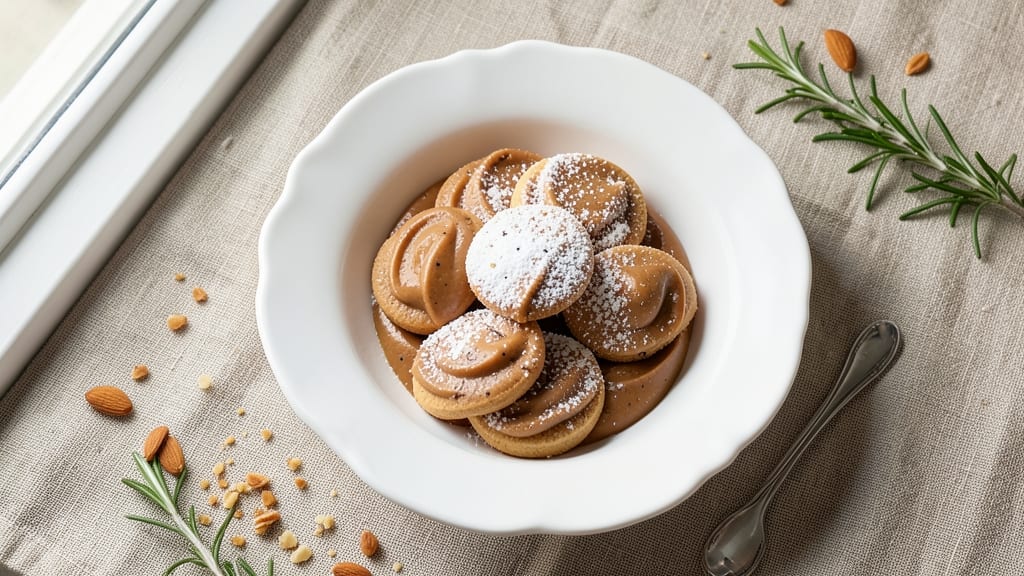
French Cat Tongue Cookies (Langues de Chat) are delicate vanilla-infused swirls with crispy edges that melt in your mouth—each one shaped like a tiny cat's tongue.
These classic French pastries have been a staple in Parisian patisseries since the 19th century, and I've perfected the technique for home baking after years of practice. The secret lies in the almond paste filling and precise egg white folding that creates those signature swirls.
Honestly, I've burned more batches than I'd like to admit, but the payoff is worth every attempt.
What makes these cookies truly special is their balance of textures and flavors—crispy yet tender, sweet with a hint of vanilla, and rolled into elegant shapes that look almost too delicate to eat.
The recipe requires just a few key ingredients: high-quality almond paste, powdered sugar, and fresh egg whites, all combined with a light touch to achieve that signature rolled appearance. I always make a double batch because they disappear faster than my daughter Lily can say "cookie."
Once baked to golden perfection, these cookies transform any dessert table into a vision of French elegance. The vanilla-infused almond paste filling adds a sophisticated depth, while the crisp edges provide just enough contrast to keep every bite interesting.
Whether you're serving them at a tea party or simply treating yourself, these cookies deliver restaurant-quality results with a homemade touch. Let's get started on creating your own batch of these timeless French pastries.
One of the beautiful things about Cat Tongue Cookies is their versatility—they pair beautifully with tea or coffee, make stunning gifts, and can even be adapted with different flavorings like lemon or chocolate.
The shaping technique might seem intimidating at first, but with practice, you'll achieve those perfect rolled edges every time. Trust me, the first time you pull a tray of these golden swirls from the oven, you'll understand why they've been beloved for generations.
Ingredients for cat tongue cookies french
Just 11 ingredients transform into delicate French cookies with signature swirls and crispy edges.
| Ingredient | Amount | Notes |
|---|---|---|
| All-Purpose Flour 🌾 | 3 cups | Sifted for light texture |
| Unsalted Butter 🧈 | 1 cup | Cold, cubed for cutting |
| Granulated Sugar 🍚 | ½ cup | Fine grain preferred |
| Vanilla Extract 🍯 | 1 tbsp | Pure vanilla preferred |
| Large Egg Whites 🥚 | 4 whole | Room temperature, fresh |
| Almond Paste 🥜 | 1 cup | High-quality, smooth texture |
| Powdered Sugar 🍚 | 1 cup | Sifted for smooth filling |
| Salt 🧂 | ¼ tsp | Fine sea salt preferred |
| Vanilla Bean Seeds 🌿 | 1 tsp | From 1 vanilla bean |
| Cornstarch 🌾 | 1 tbsp | For dusting work surface |
| Almond Extract 🥜 | ½ tsp | Pure almond flavor |
The almond paste makes or breaks these cookies. French's or Marzipan brand from specialty stores or the international aisle at Whole Foods is worth the splurge—it's smoother and sweeter than the generic stuff. If you can't find it, almond flour mixed with powdered sugar works in a pinch, but the texture won't be quite the same. The egg whites need to be fresh and room temperature—old whites won't whip properly, and cold ones won't fold in right. I always buy a carton of pasture-raised eggs from Trader Joe's for this recipe—they whip up fluffier than store brands.
No vanilla bean? Pure vanilla extract at double the amount gets you close, though you'll miss that subtle floral depth. Running out of almond extract? Extra vanilla extract plus a pinch of almond flour mimics the flavor. The butter must be cold—if it melts while cutting, chill it for 10 minutes. For the filling, if you can't find almond paste, blend almond flour with powdered sugar at a 1:1 ratio (but expect a denser cookie). The cornstarch is key for dusting—it prevents sticking when shaping. I keep a small bowl of it right next to my work surface so I'm not scrambling mid-roll.
These cookies keep for 5 days in an airtight container, though they're best the first 2 days. For longer storage, freeze the unbaked dough—wrap it tightly in plastic and it'll last 3 months. Once baked, store them at room temperature in a tin lined with parchment. I always make a second batch because they disappear fast—especially when my daughter 'helps' with the shaping. The filling can be made ahead and chilled for 1 week, but it softens slightly when warm.
Why You'll Love This Recipe
- No Fuss, No Fail: I swear by this recipe—just cream butter and sugar, fold in flour, and whip those egg whites until stiff. No rolling, no fuss, and no second-guessing if they’ll turn out. The dough’s so forgiving, even if you overmix (which, honestly, I do).
- Butter-Sugar Magic: That first bite of crispy edges melting into a tender center? Pure French bakery vibes. The butter-sugar combo gives them a buttery crunch, while the egg whites lift them into something light and airy—like a hug from a Parisian pâtisserie.
- Crowd-Pleaser Any Day: Between us, these cookies disappear fast at parties, potlucks, or even as a "I’m too tired to cook" snack. They’re neutral enough to pair with coffee, tea, or dessert wine, but my kids still fight over them—no judgment there.
- Pantry Staples Only: You’re using flour, butter, sugar, and eggs—ingredients you already own. No weird imports or specialty tools. And the leftovers? They stay fresh for days, or you can freeze them for when your sweet tooth strikes. Zero waste, all win.
Step-by-step instructions for vanilla-infused French cookies
Here's how to create delicate, swirled cookies with crisp edges and tender centers—every bite delivers that signature French elegance.
Prepare the Almond Paste Filling
In a medium bowl, combine the 1 cup almond paste, 1 cup powdered sugar, 1 tbsp vanilla extract, 0.5 tsp almond extract, and 1 tsp vanilla bean seeds. Mix thoroughly until smooth and fully incorporated. The texture should resemble thick pipe frosting—if it's too stiff, add 1 teaspoon water at a time until it reaches a spreadable consistency.
This filling is the heart of your cookies, so take your time blending it. I like to use a silicone spatula to scrape the sides and ensure no dry spots remain. Cover the bowl and set aside while you prepare the dough—this gives the flavors time to meld together.
Create the Cookie Dough
In a large mixing bowl, whisk together the 3 cups all-purpose flour, 0.5 cup granulated sugar, 0.25 tsp salt, and 1 tbsp cornstarch. Sift the dry ingredients directly into the bowl to avoid clumping. Make a well in the center and add the 1 cup cold cubed unsalted butter. Using a pastry cutter or your fingers, work the butter into the flour until the mixture resembles coarse crumbs with pea-sized butter pieces remaining.
Next, add the 4 whole large egg whites one at a time, mixing gently until just combined. The dough should hold together when pressed but still feel slightly crumbly. Wrap the dough in plastic wrap and refrigerate for at least 1 hour—this resting period is crucial for developing flavor and preventing spreading during baking.
Roll and Fill the Dough
Preheat your oven to 350°F and line two baking sheets with parchment paper. On a lightly floured surface, roll out the chilled dough to about 1/8-inch thickness. Use a 2-inch round cutter to cut out circles, then gently place 1 teaspoon of the almond filling in the center of each circle. Fold the dough over the filling to completely enclose it, sealing the edges with a fork by pressing down firmly.
Place the filled dough circles onto the prepared baking sheets, spacing them about 2 inches apart. The cookies will spread slightly during baking, so don't crowd them. For extra crisp edges, I like to press down lightly on each cookie with my thumb before baking—this creates a slight indentation that helps the edges brown beautifully.
Bake to Golden Perfection
Bake the cookies for 12-15 minutes until the edges are golden brown and the centers look just slightly underbaked. The filling should still feel soft when pressed gently—it will firm up as the cookies cool. Rotate the baking sheets halfway through for even baking. Let the cookies cool on the baking sheets for 5 minutes before transferring to a wire rack to cool completely.
Here's the secret to crisp edges: as soon as you remove them from the oven, press down gently on each cookie with a fork. This creates that signature French texture—crisp on the outside, tender within. Serve warm for the best experience, or store in an airtight container for up to 5 days—though I doubt they'll last that long!
Pro Tips For Making Cat Tongue Cookies French
- Whip Egg Whites Cold: Pull those egg whites straight from the fridge—room temperature is the enemy of stiff peaks. I used to rush this step, and my meringue would collapse like a sad soufflé. Chill the bowl too, and you’ll get those glossy, pipeable whites every time.
- Cream Butter Until Pale: Beat that butter and sugar until it’s almost white, not just fluffy. I learned this the hard way—when it’s pale, the cookies stay tender, not greasy. Stop too early, and you’ll regret it later (yes, even if you’re impatient like me).
- Sift Flour Twice: Don’t just eyeball it—sift the flour before mixing and after adding it to the butter. The first sift removes lumps, the second ensures even distribution. My grandmother swore by this, and she was right: no weird pockets of dry flour in your dough.
- Pipe Small, Fast: Use a thick piping tip (like Wilton 1M) and keep the dough cold—warm dough spreads like a lazy Sunday. Pipe 1-inch circles, space them 2 inches apart, and bake in batches. Crowding the tray = sad, flat cookies. Your future self will thank you.
Regional styles of this cat tongue cookies french
Parisian Patisserie Style
In Parisian patisseries, these cookies are often baked in copper pans for even heat distribution—a technique that creates those signature crisp edges. I’ve found that using a lightweight aluminum pan (like Wilton half-sheet pans) works just as well for home baking.
The key is baking at 350°F for exactly 12-15 minutes—any longer, and the edges burn before the centers set. 🔥
Lyon’s Rustic Twist
In Lyon, where buttery pastries reign supreme, the dough often includes 1 tablespoon extra butter (total 1.25 cups) for a richer, denser texture. Locals also swap the almond paste filling for a simple vanilla sugar mixture (powdered sugar + vanilla bean seeds) to highlight the dough’s flavor.
This version feels heartier and pairs perfectly with a glass of Lyon’s Beaujolais wine.
Provence’s Herb-Infused Variation
In Provence, where herbs shine, the dough gets a boost of 1 teaspoon finely chopped lavender or 1 teaspoon orange zest for a floral, citrusy twist. The filling remains classic almond paste, but the dough’s brightness cuts through the richness beautifully.
I’ve made this version with fresh lavender from my backyard garden—it’s divine when baked in spring. 🌿
Modern Portland Adaptation
Here in Portland, I’ve put my own spin on these cookies by adding 1 teaspoon matcha powder to the dough for an earthy depth. The filling stays traditional, but the matcha gives the cookies a subtle umami note that’s become a local favorite.
Pair them with Portland’s famous Stumptown coffee for a perfect afternoon treat. The matcha also helps balance the sweetness, making them less cloying.
Southern French Coastal Style
Along the French Riviera, these cookies often include 1 tablespoon crushed amaretto cookies in the dough for a nutty, boozy undertone. The almond filling gets a splash of 1 teaspoon Grand Marnier to complement the coastal flavors.
This version is especially popular in Nice, where they’re served with espresso—the bitterness of the coffee cuts through the richness. 🍷
Kid-Friendly Cincinnati Version
Back in Cincinnati, where I grew up, I’d sneak in chocolate chips (about ¼ cup**) into the dough for a fun twist. The filling stayed classic, but the chocolate gave the cookies a playful surprise.
Mrs. Henderson, my neighbor who taught me to make apple butter, always said, “Kids won’t eat what they don’t recognize”—so I’d shape them into little cat faces to make them more appealing. It worked every time! 🐱
Nutrition facts
Frequently asked questions
Why do these cookies have such crisp edges?
The secret lies in the precise baking technique and dough composition. Using cold butter creates steam during baking, which crisps the edges while keeping centers tender. Pressing down gently with a fork right after baking also helps set those signature crisp edges. The 350°F temperature is key—too hot, and they'll burn before the centers set.
Can I make these cookies without almond paste?
Yes, but the texture will differ. Mix 1 cup almond flour with 1 cup powdered sugar as a substitute, though it won't be as smooth. For best results, use high-quality almond paste from specialty stores—it makes a noticeable difference in flavor and texture. The filling should resemble thick pipe frosting for proper shaping.
How do I prevent the dough from sticking when shaping?
Lightly dust your work surface with cornstarch (not flour) before rolling out the dough—it prevents sticking better than flour. Chill the dough for at least 1 hour before shaping to firm it up. Also, use a 2-inch round cutter and keep your hands dusted with cornstarch while handling. The dough should feel cool and slightly tacky but not sticky.
What's the best way to store these cookies?
Store in an airtight container at room temperature for up to 5 days—they're best fresh, but the flavors develop beautifully over time. For longer storage, freeze the unbaked dough (wrapped tightly) for up to 3 months
Can I add other flavors to the filling?
Try 1 teaspoon lemon zest or ½ teaspoon cardamom for warmth. For chocolate lovers, mix in 2 tablespoons cocoa powder with the almond paste. Just remember to adjust the powdered sugar slightly if using dry flavorings to maintain the right consistency. The vanilla-almond base works beautifully as a foundation for these variations.