Soups & Stews
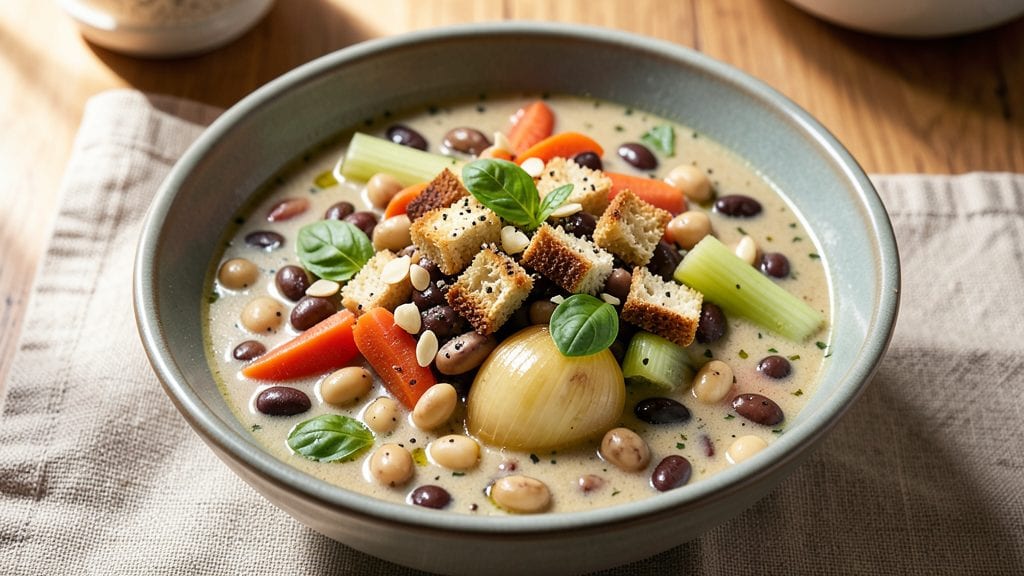
This Cookie and Kate-inspired minestrone soup delivers the ultimate vegetarian comfort—packed with hearty beans, fresh vegetables, and rich tomato flavor that simmers into a deeply satisfying bowl. 💛 The secret lies in slow-cooking layers of flavor, where each ingredient contributes to a harmonious broth that balances earthy and bright notes perfectly.
What sets this recipe apart is its approachable yet professional technique: we start with a flavorful tomato base, then build depth by adding vegetables in stages—carrots for sweetness, celery for structure, and onions for warmth.
The beans absorb all these flavors, creating a soup that’s both rustic and refined, ideal for chilly evenings or meal prep.
By the time you’re done, you’ll have a hearty, restaurant-quality minestrone with tender beans, perfectly cooked pasta, and vibrant vegetables in every spoonful. The aroma alone will draw everyone to the table, and the texture—creamy from the beans, crisp from the greens—makes it impossible to resist a second bowl.
Customize it with optional additions like kale, spinach, or even a sprinkle of parmesan for extra richness. This is the kind of soup that feels like a hug in a bowl—warm, nourishing, and full of love. Let’s get cooking!
Ingredients for cookie and kate minestrone soup
Hearty beans, vibrant veggies, and rich tomato flavors—this minestrone brings comfort to every spoonful.
| Ingredient | Amount | Notes |
|---|---|---|
| Dried Cannellini Beans 🌾 | 1 ½ cups | Uncooked, soaked overnight |
| Dried Kidney Beans 🌾 | 1 cup | Uncooked, soaked overnight |
| Carrots 🥕 | 3 medium | Peeled, cut into chunks |
| Celery Stalks 🧅 | 4 whole | Trimmed, cut into pieces |
| Yellow Onion 🧅 | 1 whole | Diced, medium size |
| Garlic Cloves 🧄 | 4 cloves | Peeled, minced |
| Canned San Marzano Tomatoes 🍅 | 2 cans | 28 oz each, crushed |
| Vegetable Broth 💧 | 4 cups | Low-sodium preferred |
| Extra-Virgin Olive Oil 🫒 | ¼ cup | High quality, fruity |
| Ditalini Pasta 🍝 | 1 cup | Uncooked, small tubes |
| Fresh Kale 🌿 | 2 cups | Chopped, stems removed |
| Fresh Spinach 🌿 | 2 cups | Chopped, loosely packed |
| Parmesan Cheese 🧀 | ½ cup | Freshly grated, aged |
| Dried Oregano 🌿 | 1 tsp | Italian variety preferred |
| Bay Leaves 🍃 | 2 whole | Fresh, removed before serving |
| Salt 🧂 | 1 ½ tsp | Diamond Crystal kosher |
| Black Pepper 🌶️ | ½ tsp | Freshly ground |
The beans are the backbone of this soup. Cannellini adds creaminess while kidney beans bring earthy depth—both should be soaked overnight for perfect texture. I grab mine from Whole Foods bulk bins where they're always fresh. For the carrots and celery, organic from Trader Joe's keeps pesticides out and flavor in. The San Marzano tomatoes? Non-negotiable. Their sweetness and acidity make this soup sing—Costco sells them in bulk if you're making a big batch. Fresh herbs like kale and spinach should be bright green and crisp—wilting means they'll turn mushy during cooking.
No cannellini beans? White beans or great northerns work just as well. Short on kidney beans? Black beans or lentils keep the heartiness. The vegetable broth can be homemade (simmer veggie scraps with herbs) or store-bought—just check for low sodium. Prefer a different pasta? Small shells or penne hold sauce better than long noodles. The Parmesan is optional but worth it—grate it fresh from a block for maximum flavor. No fresh herbs? Dried oregano at half the amount gets you close, but fresh is always better. The bay leaves add subtle earthiness—don't skip them.
This soup tastes even better the next day as flavors meld. Store in an airtight container for 5-6 days in the fridge or freeze for up to 3 months. I double the recipe and freeze half—perfect for lazy weeknights. The pasta cooks quickly when reheating, so add it fresh to hot soup. For extra richness, stir in a splash of whole milk or cream before serving. Garnish with fresh herbs and extra Parmesan—everyone will ask for seconds.
Why You'll Love This Recipe
- I’ll be real: I used to dread soaking beans for minestrone. Not here—just toss in those dried cannellinis and kidney beans right with the veggies, and they soften perfectly while everything else simmers. Less prep, same hearty texture.
- No-Soaking Needed: I’ll be real: I used to dread soaking beans for minestrone. Not here—just toss in those dried cannellinis and kidney beans right with the veggies, and they soften perfectly while everything else simmers. Less prep, same hearty texture.
- Umami Bomb Combo: That crispy onion edge from the yellow onion and the deep earthiness of the kidney beans? Chef’s kiss. The carrots and celery add sweetness, but it’s the beans that make this ridiculously good—like a cozy hug in a bowl.
- Meal Prep MVP: Between us, this soup tastes even better the next day. I double the batch on Sundays, and by Wednesday, it’s still flavor-packed. Freeze half if you’re feeling extra, or just reheat—no sad, watery leftovers here.
Step-by-step instructions for hearty bean and veggie-packed comfort
Here's the method that transforms simple ingredients into a soul-warming bowl of minestrone.
🔥 Step 1: Sauté the Aromatic Vegetable Base
Heat the 0.25 cup extra-virgin olive oil in a large Dutch oven over medium heat. Add the diced yellow onion and cook for 5 minutes until softened and translucent. You'll notice the onions release their sweetness and begin to caramelize slightly at the edges.
Add the trimmed celery stalks and peeled carrot chunks, stirring to coat in the oil. Cook for another 5 minutes until the celery becomes tender and the carrots begin to soften. This foundational step builds the flavor base—don't rush it. The vegetables should be tender but not browned. Here's the thing—if you see the oil smoking, reduce the heat slightly to prevent burning.
🍳 Step 2: Develop the Flavor with Beans and Tomatoes
Add the 1.5 cups soaked dried cannellini beans and 1 cup soaked dried kidney beans (drained) to the pot. Stir to combine with the vegetables and cook for 3 minutes to lightly toast the beans. This step enhances their nutty flavors and prevents them from becoming mushy later.
Pour in the 2 cans crushed San Marzano tomatoes and 4 cups vegetable broth, scraping up any browned bits from the bottom of the pot. Add the 1 tsp dried oregano, 2 whole bay leaves, 1.5 tsp salt, and 0.5 tsp black pepper. Bring to a gentle boil, then reduce heat to medium-low and let it simmer uncovered for 30 minutes—this allows the beans to partially cook and the flavors to meld beautifully. Stir occasionally to prevent sticking.
🥘 Step 3: Add Pasta and Greens for Perfect Texture
After the initial 30-minute simmer, stir in the 1 cup uncooked ditalini pasta and the 2 cups chopped fresh kale. The pasta will begin to absorb the broth immediately—this is why we add it later rather than pre-cooking. Simmer for another 10 minutes until the pasta is al dente and the beans are tender but still hold their shape. You'll know the beans are ready when they're fork-tender but not falling apart.
In the final 5 minutes of cooking, stir in the 2 cups chopped fresh spinach. The spinach wilts almost instantly—this is the moment you'll see it transform from vibrant green to tender. Taste the soup and adjust seasoning if needed. Real talk: the flavors should be balanced with a touch of saltiness from the beans and acidity from the tomatoes.
🍽️ Step 4: Finish and Serve with Parmesan
Remove the 2 whole bay leaves and ladle the soup into bowls. Top each serving generously with 0.5 cup freshly grated Parmesan cheese. The cheese adds a luxurious finish that ties all the flavors together. I like to serve this with crusty bread to soak up every last drop of that comforting broth.
This soup tastes even better the next day as the flavors continue to develop. The beans will soften further, and the broth will deepen in complexity. Store leftovers in an airtight container in the refrigerator for up to 5 days—it's the perfect make-ahead meal for busy weeknights. Each spoonful delivers that cozy, homey feeling we all crave.
Pro Tips For Making Cookie And Kate Minestrone Soup
- Soak Beans Overnight: I learned this the hard way—rushing the soak leaves you with tough, mealy beans. Toss both cannellini and kidney beans in cold water for at least 8 hours (or overnight) with a pinch of salt. No need to boil them first; just drain, rinse, and add directly to the pot. Your soup will thank you with creamy texture and no gummy aftertaste.
- Dice Veggies Evenly: Unevenly chopped carrots and celery mean some bits cook into mush while others stay crunchy. Cut all three into ¼-inch pieces—same size, same shape. The onion? Finely mince it first, then pulse in a food processor for 10 seconds to distribute flavor without turning the soup into onion sludge. (Yes, even if you’re impatient like me.)
- Simmer, Don’t Boil: After adding the beans and broth, keep the heat at a gentle simmer—not a rolling boil. Too much heat breaks down the beans faster, turning your soup into a sad, thin broth. A steady simmer (tiny bubbles, occasional skimming) keeps the beans intact and the broth rich. Trust me, your future self will notice the difference.
- Stir in Pasta Last: Adding pasta too early means it turns to mush before the beans are tender. Wait until the beans are nearly done (about 45 minutes of simmering), then toss in the pasta and cook for just 8–10 minutes. This keeps the soup hearty, not gluey. (Pro move: Use 1 oz pasta per serving—it’s more satisfying than you’d think.)
Regional styles of this recipe
Classic Italian
This version stays true to traditional Italian roots, where minestrone originated in Northern Italy during the Great Depression. The key is using San Marzano tomatoes for their natural sweetness and cannellini beans for creaminess.
I like to add 1 cup diced zucchini and 1 cup chopped cabbage for authentic texture—these vegetables were staples in Italian households. The soup should simmer for at least 45 minutes to let flavors meld deeply.
Serve with a sprinkle of fresh basil and a drizzle of extra-virgin olive oil for that authentic Italian touch. 🍅
New England Twist
In New England, minestrone often features potatoes and corn for a heartier, creamier texture. Swap the ditalini for ½ cup small diced potatoes and add 1 cup frozen corn kernels in the last 10 minutes of cooking.
I also recommend using ½ cup heavy cream at the end for extra richness—a nod to the region's love of dairy. Top with crumbled bacon (optional for vegetarians) and chopped chives for a smoky, fresh contrast. This version is perfect for cold New England winters. ❄️
Mediterranean Herb Focus
For a Mediterranean-inspired minestrone, boost the herbs with 1 tsp dried rosemary and 1 tsp dried thyme during the initial simmer. Add 1 cup chopped artichoke hearts (fresh or jarred) and ½ cup chopped sun-dried tomatoes for a briny, umami depth.
Finish with fresh parsley and a squeeze of lemon juice before serving. This lighter version pairs beautifully with warm pita bread or crusty focaccia. The herbs brighten the dish while keeping it vibrant and fresh. 🌿
Southwestern Fusion
Give your minestrone a Southwestern flair by adding 1 diced jalapeño (seeds removed) and 1 tsp ground cumin to the sautéed vegetables. Swap the spinach for 2 cups chopped escarole and add ½ cup black beans for extra heartiness.
Top with avocado slices, crumbled cotija cheese, and a drizzle of lime crema (mix ¼ cup sour cream with 1 tbsp lime juice). This version brings bold, spicy-sweet flavors that work perfectly for a summer potluck. 🌶️
French-Inspired Bistro Style
For a French bistro twist, use mushrooms instead of some of the carrots—1 cup sliced cremini mushrooms add an earthy depth. Deglaze the pot with ½ cup dry white wine after adding the tomatoes for a subtle acidity.
Finish with 1 tbsp chopped tarragon and a sprinkle of Gruyère cheese (instead of Parmesan) for a nutty, complex flavor. Serve with crusty baguette slices and a side of buttery dinner rolls. This version feels elegant yet approachable for home cooks. 🥖
Nutrition facts
Frequently asked questions
Can I make this minestrone soup without soaking the beans overnight?
You can use quick-soak methods for convenience: cover dried beans with boiling water, remove from heat, cover, and let sit for 1 hour. For best texture, though, overnight soaking (8+ hours) is ideal—it prevents the beans from becoming mushy. If short on time, use 1 can each of cannellini and kidney beans instead.
How do I adjust the recipe for fewer/more servings?
This recipe scales easily. For 4 servings, halve all ingredients. For 8+ servings, double the beans, vegetables, and broth, then increase pasta to 1.5 cups. Keep the same cooking times—just use a larger pot. The key is maintaining the 4:1 ratio of broth to beans/vegetables to avoid a thick, gluey texture.
Why did my minestrone turn out too thick or watery?
Thick soup? You likely didn't add enough broth. Stir in ½ cup warm water or broth and simmer 5 more minutes. Watery? The beans may need more cooking time (15-20 minutes longer) to absorb liquid. Always taste-test after the initial 30-minute simmer—adjust seasoning and thickness before adding pasta.
Can I use fresh beans instead of dried?
Substitute 3 cups fresh cannellini beans (peeled and halved) and 2 cups fresh kidney beans (peeled) for the dried versions. Simmer them for only 15-20 minutes after adding to the pot—they cook much faster than dried. Fresh beans add a brighter, slightly sweeter flavor to the soup.
What's the best way to reheat leftover minestrone?
Gently reheat on the stovetop over low heat with a splash of water or broth to restore creaminess. Avoid microwaving—it can turn the beans mushy. For extra richness, stir in 1 tbsp olive oil or a pat of butter while warming. If the pasta seems dry, add a few extra minutes of simmering to rehydrate it.