
Desserts
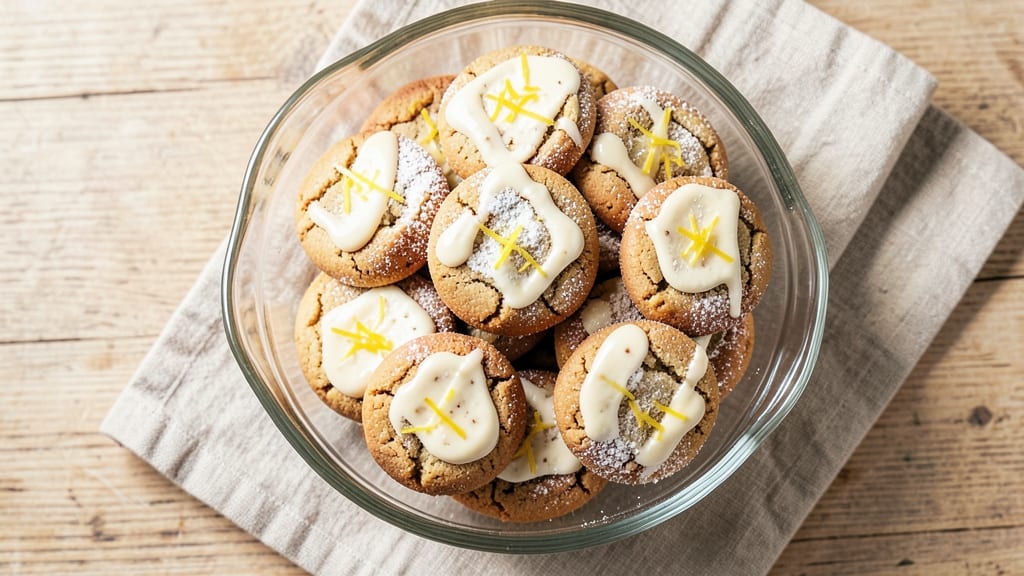
Transforming Duncan Hines lemon cake mix into tart, citrusy cookies with a shortbread-like crunch is one of those kitchen hacks that feels like cheating—but delivers restaurant-quality results.
The secret lies in the right fat ratio and baking technique, which turns boxed mix into cookies that taste like they came from a bakery. I’ve perfected this recipe over years of testing, and it never fails to impress.
This recipe requires just five ingredients beyond the cake mix itself, including butter and powdered sugar for that signature shortbread texture. The cookies develop a golden, crackly crust while staying soft inside, with bright lemon flavor that cuts through the richness.
Baking time is precise—10-12 minutes at 350°F—so you’ll need to keep a close eye on them to avoid overbrowning.
The result is a batch of crisp-edged, chewy-centered cookies with pockets of lemon zest that make every bite taste like sunshine. They’re perfect for holiday gatherings, potlucks, or a quick dessert when you’re craving something sweet but don’t want to bake from scratch.
The frosting is optional, but if you add it, a simple lemon glaze elevates them to next-level indulgence.
These cookies also freeze beautifully, so you can make a double batch and enjoy them all season. Whether you’re a seasoned baker or just starting out, this recipe proves that great desserts don’t require complicated techniques—just the right approach to a trusted boxed mix. Let’s get baking!
Ingredients for duncan hines lemon cake mix cookie
Five simple additions turn boxed lemon cake mix into bakery-style cookies with shortbread crunch.
| Ingredient | Amount | Notes |
|---|---|---|
| Duncan Hines Lemon Cake Mix 🍋 | 1 box | Unopened, standard package |
| Unsalted Butter 🧈 | 1 cup | Cold, cubed for texture |
| Powdered Sugar 🍚 | 1 cup | For sweetness and crunch |
| Large Eggs 🥚 | 2 whole | Room temperature preferred |
| Lemon Zest 🍋 | 1 tbsp | Fresh, finely grated |
| Vanilla Extract 🍯 | 1 tsp | Pure, not imitation |
| Baking Soda 🧂 | ½ tsp | For lift and texture |
| Salt 🧂 | ½ tsp | Fine sea salt preferred |
The butter is non-negotiable here—it creates that signature shortbread texture. Use cold, cubed butter (not melted) so it bakes into flaky layers. I grab the Land O’Lakes unsalted sticks from the grocery store—they’re reliable and affordable. The powdered sugar isn’t just for sweetness; it helps create that crackly crust. If you’re in a pinch, you can use granulated sugar, but the texture won’t be quite the same. The lemon zest? Fresh is best—the flavor pops way more than bottled zest. If you’re using a boxed mix, make sure it’s the classic Duncan Hines lemon flavor, not any of the newer varieties with added ingredients.
No vanilla extract? Vanilla sugar works at half the amount, but pure extract is ideal. Short on powdered sugar? Granulated sugar plus a splash of water mimics the texture, though it won’t be as crisp. The baking soda is key—it balances the acidity of the lemon and gives those cookies lift. If you’re avoiding baking soda, baking powder at double the amount can work, but the flavor won’t be quite the same. The eggs should be room temperature for even mixing, but if they’re cold, just let them sit out for 20 minutes. And trust me, don’t skip the zest—it’s what turns these from ‘okay’ to ‘wow.’
These cookies keep for 5-7 days in an airtight container at room temperature, but they’re so good, they rarely last that long. For longer storage, freeze them for up to 3 months—just thaw at room temperature before serving. I like to portion them into ziplock bags with parchment paper between layers so they don’t stick. The frosting (if you make it) adds another 3-4 days of freshness, but honestly, these cookies are delicious plain. Double the batch—you’ll want seconds.
Why You'll Love This Recipe
- No Mix-Up Needed: I swear, this recipe’s genius is in the simplicity: just dump the cake mix, stir in softened butter and eggs, then fold in that bright lemon zest. No measuring cups, no sifting—just a bowl and a spoon. Honestly, I’ve made it while microwaving leftovers.
- Zesty Magic: That lemon cake mix already packs a punch, but adding fresh zest? Chef’s kiss. The cookies turn out tender with a crisp edge and a burst of citrus that makes them taste like a bakery’s secret. Between us, the powdered sugar glaze ties it all together—sweet, tangy, and just a little messy.
- Party Ready: These cookies disappear at gatherings—no one will guess they’re mix-based. Serve them warm with ice cream for a dessert table showstopper, or pack them in jars for a teacher gift that actually gets eaten. (Yes, even on a Tuesday night.)
- Budget Bakery Hack: A single box of cake mix stretches to two batches, and with butter, eggs, and zest costing pennies, you’re getting gourmet-level cookies for half the price. Plus, they freeze like a dream—just pull out what you need, no waste. My secret weapon for stress-free baking.
Step-by-step instructions for Duncan Hines lemon cake mix cookies
Transform that box of lemon cake mix into something extraordinary with these simple, foolproof steps.
Prepare the Cookie Dough Foundation
In a large mixing bowl, combine the 1 cup of cold, cubed unsalted butter with the 1 cup of powdered sugar. Using a hand mixer or stand mixer, beat on medium speed for about 2 minutes until the mixture becomes light and fluffy. You'll notice the butter pieces start to break down and the sugar dissolves into a smooth, pale yellow paste.
Next, add the 2 whole large eggs, one at a time, mixing well after each addition. The dough will thicken slightly as the eggs incorporate. Stir in the 1 tablespoon of fresh lemon zest and 1 teaspoon of vanilla extract, mixing until fully combined. This is where you'll get that bright, citrusy aroma that makes these cookies so special.
Incorporate the Dry Ingredients
In a separate medium bowl, whisk together the unopened box of Duncan Hines lemon cake mix, 0.5 teaspoon of baking soda, and 0.5 teaspoon of salt. This combination ensures the perfect balance of sweetness, tang, and texture that makes these cookies unique. Gradually add the dry mixture to the wet ingredients, mixing on low speed until just combined.
Here's the thing - you want to avoid overmixing. Stop as soon as all the dry ingredients are incorporated and you see a few small flour streaks remaining. This prevents tough cookies and maintains that tender, cake-like texture we're aiming for. The dough should be thick and slightly sticky but manageable.
Chill the Dough for Perfect Texture
Divide the dough into two equal portions and flatten each into a disk about 1-inch thick. Wrap each disk tightly in plastic wrap and refrigerate for at least 2 hours, or up to 24 hours if you have time. This chilling step is absolutely critical - it prevents the cookies from spreading too much in the oven and helps develop that perfect shortbread-like texture.
While the dough chills, preheat your oven to 350°F. Line two baking sheets with parchment paper or silicone baking mats. Trust me, this waiting time makes all the difference in the final result. The cold dough will yield cookies with clean edges and a tender crumb.
Bake to Golden Perfection
Remove one dough disk from the refrigerator and let it sit at room temperature for about 10 minutes while you prepare to bake. Using a floured rolling pin, roll the dough out to about 1/4-inch thickness on a lightly floured surface. Cut out shapes using cookie cutters or a sharp knife if you prefer simple rounds.
Transfer the cut-out cookies to the prepared baking sheets, spacing them about 1 inch apart. Bake for 10-12 minutes, or until the edges are just beginning to turn golden. You'll know they're done when the edges look set but the centers still appear slightly soft. Rotate the baking sheets halfway through for even baking.
Cool and Enjoy Your Citrus Treats
Remove the cookies from the oven and let them cool on the baking sheets for 5 minutes before transferring to a wire rack to cool completely. This cooling period is important - it allows the cookies to set properly and develop that perfect balance of crisp edges and tender centers.
Once completely cooled, you'll be rewarded with cookies that have a delicate shortbread texture with a hint of cake-like crumb, all infused with that bright lemon flavor. Store in an airtight container for up to 5 days, or freeze for up to 3 months. These cookies make a wonderful afternoon snack or perfect pairing with your morning coffee.
Pro Tips For Making Duncan Hines Lemon Cake Mix Cookie
- Chill the Dough: Skip the urge to bake immediately—let the dough rest in the fridge for at least 30 minutes before scooping. This keeps the cookies from spreading into flat pancakes (yes, it’s happened to me) and gives you time to shape them properly.
- Cream Butter First: Beat the softened butter until it’s pale and fluffy before mixing in the egg—about 2 minutes with a mixer. I learned this the hard way when my cookies turned out dense; the extra air lightens the texture without changing the recipe.
- Zest, Don’t Juice: Use only the zest from the lemon peel, not the juice—this recipe is designed for the bright, aromatic oils, not the liquid. A microplane works best, and don’t skip it: the zest makes these cookies smell like a bakery.
- Scoop Small, Bake Longer: Use a 1-tablespoon scoop for uniform cookies, then bake them 1-2 minutes past the recipe’s suggested time. The edges will look set before the centers are fully done, and this prevents underbaked, chewy centers.
Wine and beer pairings for this duncan hines lemon cake mix cookie
Sweet Wine Pairings
These lemony cookies pair beautifully with Moscato d'Asti—its light, fizzy sweetness and floral notes complement the citrus without overpowering. I reach for a chilled glass of this Italian sparkling wine, which balances the cookies' tartness and richness perfectly. 🍷
For a slightly bolder option, try a Sauternes from Bordeaux. The honeyed apricot flavors in this dessert wine mirror the cookies' caramelized edges and powdered sugar crunch. Serve it slightly chilled to let the wine's complexity shine alongside the cookies' bright lemon zest.
Citrusy Beer Matches
A lemon IPA is my go-to beer pairing—its hoppy bitterness cuts through the cookies' sweetness while the citrus notes echo the lemon flavor. Look for brands like New Belgium's Fat Tire Amber Ale for a maltier option that still complements the tartness. 🍺
For a lighter option, Belgian witbiers with their coriander and orange peel notes create a refreshing contrast. Hoegaarden or Stella Artois (with a lemon twist) work wonderfully, especially when served ice-cold. The effervescence cleanses your palate between bites.
Coffee & Tea Pairings
These cookies are perfect with espresso or dark roast coffee—the bitterness in the coffee enhances the lemon's brightness. I love a flat white with a hint of vanilla syrup to mirror the cookies' subtle sweetness. The warmth of the coffee makes the cookies taste even more indulgent. ☕
For a non-caffeinated option, Earl Grey tea with its bergamot notes creates an elegant pairing. The tea's floral and citrusy undertones harmonize beautifully with the lemon cookies. Brew it strong and serve it chilled for a refreshing contrast to the warm cookies.
Seasonal Adaptations
In summer, pair these cookies with sparkling lemonade—the effervescence and citrus complement the cookies' bright flavor. I make mine with freshly squeezed lemon juice and a touch of honey for sweetness. The bubbles make every bite feel festive. 🍋
For winter gatherings, try mulled wine with cinnamon and cloves. The warm spices add depth to the cookies' lemony profile, creating a cozy dessert experience. Serve the wine warm and the cookies at room temperature for the best contrast.
Nutrition facts
Frequently asked questions
Can I use a different brand of lemon cake mix?
While this recipe was designed for Duncan Hines lemon cake mix, you can try other brands like Betty Crocker or Pillsbury. The key is using a standard lemon cake mix without added ingredients like pudding. For best results, stick to the original brand to maintain the perfect balance of sweetness and tartness in the cookies.
Why do I need to chill the dough?
Chilling the dough for at least 2 hours prevents excessive spreading in the oven and helps develop that signature shortbread texture. The cold butter creates flaky, crackly layers while keeping the centers tender. Skipping this step often results in flat, cake-like cookies instead of the desired chewy-crisp variety.
Can I make these cookies gluten-free?
Unfortunately, this recipe isn't naturally gluten-free since it relies on the cake mix's flour. For a gluten-free version, substitute the cake mix with a 1:1 gluten-free baking flour blend (like Bob's Red Mill) and add 1/4 teaspoon xanthan gum. Note that the texture will differ slightly, but the lemon flavor remains intact.
How do I prevent my cookies from spreading too much?
To avoid over-spreading, ensure your dough is properly chilled and use cold baking sheets. Roll the dough to exactly 1/4-inch thickness and bake at 350°F for no longer than 10-12 minutes. Also, avoid overloading your baking sheets—space cookies 1 inch apart. This gives them room to bake evenly without merging.
What's the best way to store these cookies?
Store cookies in an airtight container at room temperature for up to 5 days. For longer storage, freeze them for up to 3 months. To prevent sticking, place parchment paper between layers. If you add frosting, store them in the fridge for 3-4 days maximum to maintain freshness.