
Desserts
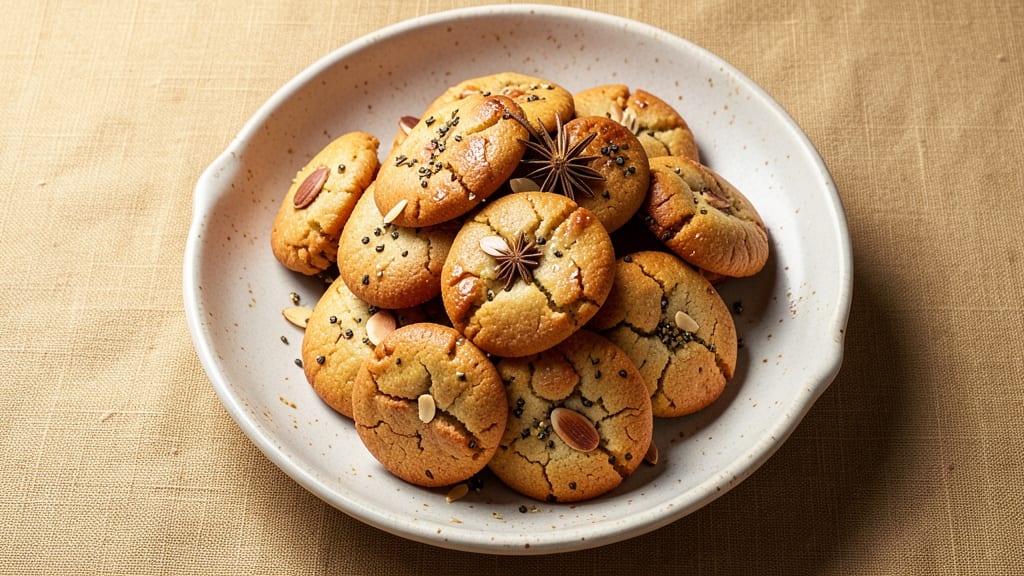
German anise cookies deliver that perfect balance of licorice warmth and buttery crunch—just like my grandmother used to make every Christmas. The secret lies in anise seeds, ground into a fine powder for deep flavor without overpowering bitterness. These cookies stay crisp at the edges while maintaining a tender center, making them ideal for gifting or holiday baking.
Traditional recipes call for just five ingredients: flour, butter, sugar, anise, and a touch of vanilla. The dough is rolled thin, cut into stars or bears, and baked until golden.
What sets these apart is the anise—its licorice aroma lingers beautifully, creating a cookie that’s both nostalgic and sophisticated. For best results, chill the dough before baking to prevent spreading.
Once baked, these cookies develop a delicate crunch with a warm, spiced sweetness that pairs perfectly with tea or coffee. The anise flavor is subtle enough to appeal to everyone at the table, yet bold enough to satisfy licorice lovers.
They keep well in an airtight container for up to two weeks, making them a practical yet elegant treat.
For variations, try adding a pinch of cinnamon or cardamom to complement the anise, or swap half the butter for coconut oil for a lighter texture. Whether you stick to tradition or experiment, these cookies will bring a taste of Germany to your kitchen with minimal effort and maximum flavor.
Ingredients for german anise cookie
Five simple ingredients transform into nostalgic German anise cookies with just a touch of magic.
| Ingredient | Amount | Notes |
|---|---|---|
| All-Purpose Flour 🌾 | 3 cups | Sifted for light texture |
| Unsalted Butter 🧈 | 1 cup | Cold, cubed for dough |
| Granulated Sugar 🍚 | 1 cup | White or light brown |
| Anise Seeds 🌶️ | 2 tbsp | Ground into fine powder |
| Pure Vanilla Extract 🍯 | 1 tsp | High-quality for flavor |
| Large Eggs 🥚 | 1 whole | Room temperature for mixing |
| Salt 🧂 | ½ tsp | Fine sea salt preferred |
| Ground Anise Seed 🌶️ | 1 tbsp | Extra for rolling dough |
Anise seeds are the star here—whole seeds from a spice shop grind freshest. Penzeys or local markets often carry the best quality. If you can't find whole seeds, ground anise from the bulk section works too, but toast it first for deeper flavor. The butter needs to be cold (store it in the fridge for 30 minutes before using) to prevent the dough from spreading. For sugar, light brown adds subtle molasses notes, but white works perfectly fine if that's what you've got. The vanilla matters—imitation won't cut it here.
No anise seeds? Fennel seeds at double the amount give a similar licorice kick, though the flavor's slightly different. Short on butter? Coconut oil works 1:1, but the texture will be slightly softer. The dough gets sticky—don't fight it. If it's too tough to handle, chill it 20 more minutes. For shaping, use a cookie cutter or knife—stars and bears are traditional, but any shape works. The extra ground anise in the bowl? Toss it with the dough before rolling for that extra aromatic punch.
These cookies keep for 2 weeks in an airtight container at room temperature, though they'll lose crispness after about a week. For longer storage, freeze the baked cookies in a single layer, then transfer to a bag—good for 3 months. Reheat in a 350°F oven for 3-5 minutes to restore crispness. The aroma when they come out of the oven? Worth every minute of chilling time.
Why You'll Love This Recipe
- No-Fuss Mixing: I swear by my stand mixer here—just dump in the flour, sugar, and softened butter, then let it do the work. Five minutes max, and no one’s elbow-deep in dough.
- Licorice-Like Magic: That anise seed? It’s the star—warm, slightly sweet, with a hint of herbal depth that’s not overpowering. (Yes, even if you’re not a licorice fan, trust me on this.)
- Holiday or Snack: These hold up for days in an airtight container, so I bake a batch for Christmas gifts and stash some for my coffee break. Double duty, zero guilt.
- Butter Budget Win: A single stick of butter stretches across two batches, and the sugar comes from my pantry. Cheap, reliable, and still tastes like you slaved over it.
Step-by-step instructions for German anise cookies
Here's how to make these aromatic, licorice-kissed cookies with a perfect balance of crunch and spice.
Prepare the Anise Seed Mixture
Start by grinding the 2 tablespoons anise seeds into a fine powder using a spice grinder or mortar and pestle. You want it to resemble ground cinnamon—this ensures even distribution throughout the dough. In a small bowl, combine this ground anise with the 1 tablespoon ground anise seed from the ingredients list. This double dose of anise gives those classic German cookies their signature licorice flavor.
Next, sift the 3 cups all-purpose flour into a large mixing bowl. This aerates the flour and prevents dense cookies. Make a well in the center and add the anise mixture, ½ teaspoon salt, and 1 teaspoon pure vanilla extract. Stir gently with a wooden spoon just until combined—don't overmix or you'll develop gluten that makes the cookies tough.
Cut in the Cold Butter and Sugar
In a separate bowl, combine the 1 cup granulated sugar and 1 cup cold, cubed unsalted butter. Using a pastry cutter or your fingers, cut the butter into the flour mixture until the texture resembles coarse crumbs with pea-sized butter pieces remaining. This cold butter method creates flaky, tender cookies rather than cakey ones.
Work quickly but carefully—you want the butter to stay cold. If the mixture starts to look like wet sand, return it to the refrigerator for 5-10 minutes to firm up. The butter should still hold its shape when pressed between fingers. This step is crucial for achieving that perfect melt-in-your-mouth texture when baked.
Incorporate the Egg and Form the Dough
Add the 1 whole large egg to the flour mixture and gently stir with a fork until just combined. The dough will come together into a soft, slightly sticky mass. If it's too dry, add 1 teaspoon cold water at a time until it holds together when pressed. Don't overwork the dough—just mix until it forms a cohesive ball.
Turn the dough out onto a lightly floured surface and knead it just 5-6 times until smooth. The dough should be soft but not sticky. Wrap it in plastic wrap and refrigerate for at least 1 hour (or up to 24 hours). This chilling step is essential—it allows the flavors to meld and prevents the cookies from spreading too much in the oven.
Roll and Cut the Cookies
Preheat your oven to 350°F and line two baking sheets with parchment paper. On a lightly floured surface, roll out the chilled dough to about ¼-inch thickness. Use a 2-inch round cutter to cut out cookies, gently rerolling the scraps as needed. For extra flavor, lightly brush the tops with a little cold water and sprinkle with additional ground anise seed before baking.
Place the cut cookies 2 inches apart on the prepared baking sheets. The dough will spread slightly during baking, so don't crowd them. Bake for 12-15 minutes until the edges are light golden brown and the centers still look slightly soft. They'll firm up as they cool. Real talk: the first batch is always the test run—adjust time as needed for your oven.
Cool and Enjoy
Remove the cookies from the oven and let them cool on the baking sheets for 5 minutes before transferring to a wire rack to cool completely. This gradual cooling helps them set properly and develop that perfect crunch. The cookies should have a delicate crumb with a subtle crackly texture on top—just like you'd find in a German bakery.
Store the cookies in an airtight container at room temperature for up to 5 days, or freeze for up to 3 months. For serving, arrange them on a platter with a dusting of extra ground anise seed and a cup of strong black tea. The aroma alone will transport you to a cozy German café—trust me, the anise flavor gets better as they sit!
Pro Tips For Making German Anise Cookie
- Toast the Seeds: DESCRIPTION: Lightly dry-toast the anise seeds in a skillet over medium heat for 30 seconds before grinding them—this deepens their flavor and prevents bitterness. I used to just grind raw seeds straight into the dough, and the cookies always tasted flat.
- Cream Butter Cold: DESCRIPTION: Use butter straight from the fridge—no need to soften it first. The dough will be easier to handle, and the cookies stay crisp longer. I learned this the hard way after dealing with sticky, greasy dough that spread into sad little puddles.
- Don’t Overmix: DESCRIPTION: Mix the dough just until combined—overworking it makes the cookies tough and dense. Stop when the flour is barely incorporated; the butter should still have visible chunks. I’ve ruined batches by turning the dough into a sad, gray paste.
- Chill the Dough: DESCRIPTION: Let the dough rest in the fridge for at least 2 hours before baking—this prevents spreading and intensifies the anise flavor. Skip this, and you’ll end up with flat, uneven cookies that taste underwhelming. (Yes, even if you’re impatient like me.)
Troubleshooting your german anise cookie
Dough Too Sticky?
If your dough feels too tacky to handle, don't panic—this is normal with anise-heavy dough. First, chill it for an extra 20-30 minutes to firm up. If that doesn't help, add 1 tablespoon cold water at a time while kneading, but no more than 2 tablespoons total.
The dough should be soft but pliable, not wet. For extra insurance, dust your work surface with extra flour or cornmeal, which adds texture without altering flavor like rice flour might. 💡
Cookies Spread Too Much
Over-spreading usually means the butter wasn't cold enough or the dough wasn't chilled long enough. For future batches, ensure your butter is firm but not rock-hard (press between fingers—it should hold shape). Chill the dough for the full 1-2 hours before rolling.
If you're in a hurry, place the dough between two sheets of parchment paper and freeze for 15 minutes before rolling. Also, use a 2-inch cutter and place cookies 2 inches apart on the baking sheet.
Anise Flavor Too Strong
If the licorice flavor overpowers, reduce the anise to 1 tablespoon total (instead of 3 tablespoons combined). For a milder taste, swap half the anise for ground cinnamon or cardamom.
Toast the anise seeds lightly in a dry pan for 1-2 minutes before grinding to mellow the intensity. Remember, the flavor deepens as cookies cool—start with less if you're unsure. 🌶️
Cookies Too Dense
Dense cookies often result from overmixing or insufficient aeration. Sift the flour thoroughly before mixing, and avoid overworking the dough. For a lighter texture, add ½ teaspoon baking powder to the flour mixture.
Also, ensure your butter is cold and cut into the flour until it resembles coarse crumbs—not a paste. If using gluten-free flour, add 1 tablespoon xanthan gum to improve structure.
Uneven Baking
If cookies bake unevenly, rotate the baking sheets halfway through baking. Use oven-safe baking sheets (like Lodge brand) for even heat distribution. Preheat your oven for 10-15 minutes before baking to ensure consistent temperature.
Avoid overcrowding the pans—leave 2 inches between cookies. If your oven has hot spots, bake one sheet at a time, rotating the pan halfway.
Cookies Too Soft
Soft cookies usually mean underbaking or too much egg. Bake for the full 12-15 minutes until edges are golden. For extra crispness, transfer baked cookies to a wire rack immediately and let cool completely.
If the dough feels too wet, reduce the egg to ½ of a large egg or replace it with 2 tablespoons applesauce. For a firmer texture, add 1 tablespoon cornstarch to the flour mixture.
Nutrition facts
Frequently asked questions
What makes German anise cookies different from regular anise-flavored cookies?
German anise cookies use whole anise seeds ground into a fine powder for a more aromatic, licorice-forward flavor compared to pre-ground anise. The dough is also rolled thin and chilled before baking, creating a delicate crunch with a tender center—unlike thicker, cake-like anise cookies. The traditional shape (stars or bears) adds to their festive appeal.
Can I substitute anise seeds with fennel seeds?
Yes! Use double the amount of fennel seeds (4 tbsp total) for a similar licorice-like flavor, though it's slightly sweeter. Toast the seeds lightly before grinding to enhance their aroma. For a milder taste, blend half anise and half fennel. Never use star anise—it's much stronger and has a different flavor profile.
Why do I need to chill the dough for so long?
Chilling the dough for 1-2 hours prevents excessive spreading during baking and allows the anise flavor to fully develop. Cold butter creates flaky layers, while the flour absorbs moisture for a perfect texture. Skipping this step often results in flat, cakey cookies. For a shortcut, freeze the dough for 15 minutes before rolling.
How do I store these cookies to keep them crisp?
Store in an airtight container with a slice of bread or parchment paper to absorb moisture. They'll stay crisp for 5 days at room temperature. For longer storage, freeze baked cookies in a single layer for up to 3 months. To refresh crispness, warm in a 350°F oven for 3-5 minutes before serving.
Are these cookies gluten-free or vegan?
The classic recipe isn't gluten-free, but you can substitute with a 1:1 gluten-free flour blend plus 1 tbsp xanthan gum. For vegan cookies, replace butter with coconut oil and the egg with 2 tbsp applesauce. Note that texture may vary slightly—these adaptations work best with proper chilling and baking adjustments.