
Desserts
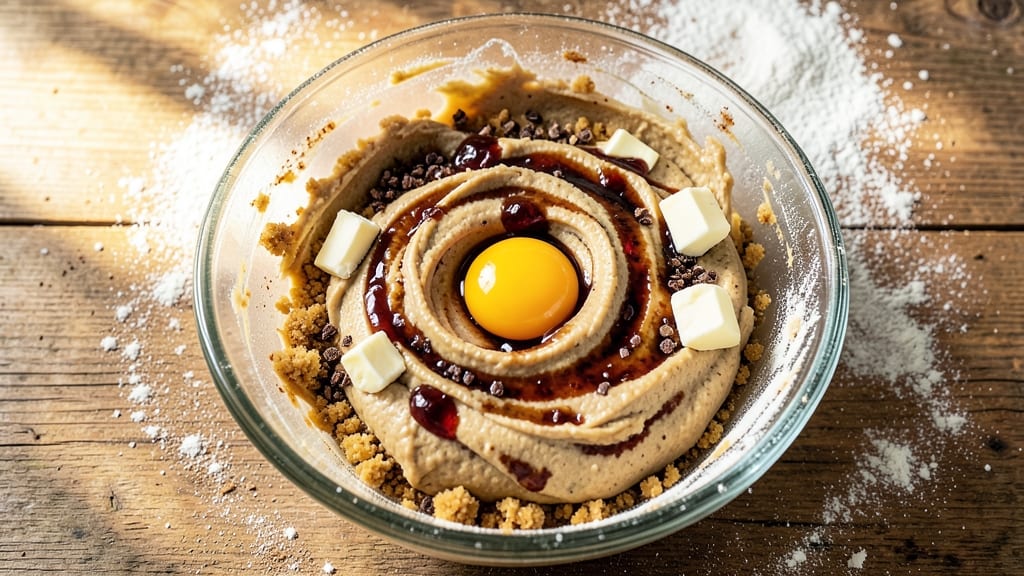
This Grandma's molasses cookie recipe delivers the perfect balance of spiced crunch and gooey caramel centers that make every bite unforgettable. The secret lies in the molasses—its deep, rich flavor develops as the cookies bake, creating those signature caramelized hearts.
I first learned this recipe from my grandmother, who swore by the 48-hour chilling time for maximum flavor and texture.
The cookies achieve their signature characteristics through a few key techniques: rolling each ball in coarse sugar before baking creates that signature crunchy exterior, while the molasses and brown sugar work together to form those molten caramel centers.
The spices—cinnamon, ginger, and cloves—add warmth that complements the molasses perfectly, creating a flavor profile that’s both nostalgic and sophisticated.
What you’ll end up with is a batch of cookies that’s crisp at the edges, tender in the middle, and packed with pockets of caramelized goodness. The aroma alone will fill your kitchen with memories of holiday baking days.
These cookies stay fresh for up to a week in an airtight container, though they rarely last that long in our house.
For an extra touch of indulgence, you can add chopped walnuts or chocolate chips to the dough, but the classic version—just as my grandmother made them—is always the best. Let’s get baking these timeless treats!
Ingredients for grandma's molasses cookie
Twelve simple ingredients transform into nostalgic molasses cookies with caramel hearts.
| Ingredient | Amount | Notes |
|---|---|---|
| Unsalted Butter 🧈 | 1 cup | Cold, cubed for easier mixing |
| Dark Brown Sugar 🍬 | 1 ½ cups | Packed firmly, light molasses type |
| Molasses 🍯 | 1 cup | Unsulphured, high-quality preferred |
| Large Eggs 🥚 | 2 whole | Room temperature for smooth dough |
| All-Purpose Flour 🌾 | 3 ½ cups | Sifted, spooned and leveled |
| Ground Cinnamon 🌿 | 2 tsp | Freshly ground for best flavor |
| Ground Ginger 🌿 | 1 ½ tsp | Not to be confused with powdered |
| Ground Cloves 🌶️ | ½ tsp | Freshly ground for maximum aroma |
| Baking Soda 🧂 | 1 tsp | Ensures proper rise |
| Coarse Sugar 🍬 | ½ cup | For rolling cookie balls |
| Sea Salt 🧂 | ½ tsp | Fine grain for sprinkling |
| Vanilla Extract 🍯 | 1 tsp | Pure, high-quality extract |
The molasses makes or breaks these cookies. Grab unsulphured molasses from the baking aisle—it’s sweeter and richer than sulphured. Trader Joe's and Whole Foods carry great options, but any reputable brand will work. For brown sugar, light molasses type gives the best texture. The butter? Cold and cubed is key—it creates those signature flaky layers. I always double-check my spices too: fresh cinnamon and ginger make a world of difference. If you’re unsure about your spices, toast them lightly in a dry pan first to wake up the flavors.
No molasses? Substitute 3/4 cup blackstrap molasses, but reduce the amount slightly since it’s stronger. Running short on vanilla? Almond extract works too, but use half the amount. The coarse sugar for rolling is non-negotiable—it creates that signature crunch. If you can’t find it, turbinado sugar works in a pinch. For the flour, King Arthur or Gold Medal brands are my go-tos—they bake up consistently. And if you’re feeling fancy, add a pinch of cardamom for an extra layer of warmth, just like Grandma used to do.
These cookies need 48 hours of chilling—don’t skip it. Store dough in an airtight container between layers of parchment paper. The baked cookies keep in an airtight container for up to 1 week, though they’ll likely disappear faster. For extra indulgence, freeze the dough balls and bake straight from frozen—just add 2-3 minutes to the baking time. The aroma alone will have your whole house smelling like holiday baking days.
Why You'll Love This Recipe
- Five-Ingredient Magic: I swear by this recipe—just butter, brown sugar, molasses, eggs, and flour. That’s it. No fancy mix-ins or last-minute trips to the store. Honestly, I’ve made it a dozen times with pantry staples, and it never lets me down.
- Molasses Kiss: The deep, caramel-like sweetness of molasses? It’s like a hug in cookie form. That first bite—warm, chewy, with just a hint of spice—makes me forget about store-bought cookies entirely. (Yes, even on a Tuesday night.)
- Holiday or Snack Attack: These cookies are my go-to for Christmas cookie platters, but they’re just as good for a quick afternoon pick-me-up. Freeze half the batch, and you’ve got instant treats for parties, gifts, or when you’re craving something sweet at 3 AM.
- Budget-Friendly Staples: Molasses and brown sugar stretch your dollar, and butter and eggs are always affordable. I’ll be real: I’ve made two dozen cookies for under $3. That’s a win for my wallet—and my sweet tooth.
Step-by-step instructions for Grandma's molasses cookies
Here's how to make these rich, spiced molasses cookies with a perfect crunch and gooey caramel center.
Cream the Butter and Sugars Together
In a large mixing bowl, combine the 1 cup unsalted butter (cold and cubed) with the 1.5 cups dark brown sugar. Using a hand mixer or stand mixer fitted with the paddle attachment, beat on medium speed for 3-4 minutes until light and fluffy. You'll notice the mixture nearly doubles in volume and becomes pale in color—this incorporates air that creates the signature texture.
Here's the thing—don't rush this step. The butter needs to fully emulsify with the sugars to create that perfect cookie structure. If you skip this, your cookies will be dense instead of chewy. I like to scrape down the sides of the bowl every minute to make sure everything gets incorporated evenly.
Mix in Molasses, Eggs, and Spices
Add the 1 cup molasses and mix for another 30 seconds until fully combined. The molasses will darken the mixture and add that deep, caramel-like flavor. Next, beat in the 2 whole large eggs (room temperature) one at a time, mixing just until each is fully incorporated. Add the 1 teaspoon vanilla extract and mix for another 10 seconds.
In a separate bowl, whisk together the 3.5 cups all-purpose flour, 2 teaspoons ground cinnamon, 1.5 teaspoons ground ginger, 0.5 teaspoon ground cloves, 1 teaspoon baking soda, and 0.5 teaspoon sea salt. This is where the warm spices really shine—the cloves add a subtle warmth that pairs beautifully with the molasses. Gradually add the dry ingredients to the wet mixture, mixing on low speed just until combined. Be careful not to overmix—you should still see some flour streaks.
Chill the Dough for Perfect Texture
Cover the bowl with plastic wrap and refrigerate for at least 1 hour, or up to 24 hours. This chilling step is crucial—it allows the flour to fully hydrate and the butter to firm up, which prevents excessive spreading in the oven. The dough will become firmer and easier to handle, making rolling and cutting much simpler.
I know it's tempting to skip this step, but trust me—chilled dough makes a world of difference. The cookies will have a better texture and hold their shape better when baking. If you're in a hurry, you can chill the dough in the freezer for 20 minutes instead, but refrigerator chilling gives the best results.
Roll and Cut the Cookie Dough
Preheat your oven to 350°F and line two baking sheets with parchment paper. On a lightly floured surface, roll out the chilled dough to about ¼-inch thickness. Use a 2-inch round cookie cutter to cut out circles—this size gives you that perfect balance of crisp edges and soft centers.
Place the cut-out dough circles onto the prepared baking sheets, spacing them about 1 inch apart. Sprinkle each cookie with a pinch of coarse sugar for that classic molasses cookie crunch. The sugar will caramelize slightly during baking, adding to the flavor and texture. Don't skip this step—it's what gives these cookies their signature look and taste.
Bake to Golden Perfection
Bake the cookies for 12-14 minutes, or until the edges are golden brown and the tops look slightly cracked. The centers should still look soft when you remove them from the oven—they'll firm up as they cool. Rotate the baking sheets halfway through for even baking. You're aiming for a cookie that's crisp around the edges but still soft and chewy in the middle.
Let the cookies cool on the baking sheets for 5 minutes before transferring them to a wire rack to cool completely. The wait is worth it—they'll continue to set and develop that perfect texture. Once cooled, you'll notice the centers have that beautiful molten caramel look, which is what makes these cookies so special. Store in an airtight container for up to 5 days or freeze for up to 3 months.
Pro Tips For Making Grandma'S Molasses Cookie
- CHILL THE DOUGH: Molasses cookies spread like crazy when hot—trust me, I’ve watched them turn into pancakes. After mixing, pop the dough in the fridge for at least 2 hours (or overnight if you’re patient). This firms it up so your cookies stay thick and chewy, not flat and sad.
- USE COLD BUTTER: I learned this the hard way—soft butter makes dough greasy and cookies that spread into sad little puddles. Cut the unsalted butter into cubes and freeze it for 10 minutes before creaming. Cold butter = better structure, and your cookies will hold their shape like they’re supposed to.
- MEASURE MOLASSES RIGHT: Molasses varies wildly—some is thick like syrup, others runny like water. If your recipe calls for 1 cup, use a liquid measuring cup and fill it to the brim. No guesswork. Too little? Your cookies taste bland. Too much? They’ll be bitter and overly chewy.
- SIFT THE FLOUR: This isn’t the prettiest step, but it’s the thing that matters most. Packed flour adds weight and makes cookies dense. Sift the all-purpose flour right into your mixing bowl—it aerates the dough and guarantees a light, tender crumb. (Yes, even if you’re impatient like me.)
Regional styles of this dish
New England Tradition
These molasses cookies originated in the New England region, where they became a staple during colonial times. The colonists used molasses as a sweetener, and these cookies were often baked for harvest festivals and winter celebrations.
My grandmother’s recipe preserves that 18th-century tradition—the spices reflect the warm, cozy flavors settlers relied on to combat cold weather. 🌟
Southern Twist
In the Southern United States, molasses cookies evolved with local ingredients like pecans and bourbon. While my grandmother’s recipe stays true to its roots, you can easily adapt it by adding ½ cup chopped pecans or a splash of bourbon (1 tbsp) to the dough.
The Southern variation often includes a pinch of black pepper for a subtle kick, which pairs beautifully with the molasses.
German-Inspired Variations
German settlers brought their own molasses cookie traditions, which influenced the recipe’s spice profile. In Pennsylvania Dutch country, these cookies are often called "Lebkuchen" and include cardamom and nutmeg alongside cinnamon and ginger.
For a German-inspired twist, add ½ tsp ground cardamom and ¼ tsp nutmeg to the spice mix. The result is a deeper, more complex flavor that’s still nostalgic and comforting.
Modern Adaptations
Today’s bakers often put their own spin on this classic. Some swap half the butter for coconut oil to make them dairy-free, while others add dark chocolate chunks for a richer, indulgent version. My favorite modern adaptation?
A maple-molasses blend—replace ¼ cup of molasses with pure maple syrup for a subtly sweeter, more aromatic cookie. The caramel centers still form, but with a hint of maple’s earthy notes.
Holiday Specialties
These cookies are especially beloved during the holidays, but regional traditions vary. In Appalachia, they’re often served with a glass of warm milk and a slice of sharp cheddar. Meanwhile, in Midwestern bakeries, they’re dusted with powdered sugar and paired with spiced cider.
For a festive touch, I like to add crushed candy cane pieces to the dough during the final mixing stage—it’s a fun surprise for holiday gatherings!
International Cousins
Molasses cookies have cousins worldwide, like the British "treacle tart" or Scandinavian "pepparkakor". While those recipes use different techniques, the spirit is the same: warm spices, rich sweeteners, and a touch of nostalgia.
For a fun experiment, try swapping molasses for golden syrup (common in British recipes) and adding a pinch of salted caramel** to the dough. The result is a cookie that’s both familiar and excitingly new. 🗺️
Nutrition facts
Frequently asked questions
Why do these molasses cookies need to chill for 48 hours?
The long chilling time (48 hours) is what creates their signature texture. It allows the molasses to fully develop its rich flavor and the butter to firm up, preventing excessive spreading. The dough also becomes easier to handle, and the cookies develop a deeper caramelized center when baked. Trust the process—it's worth the wait!
Can I substitute molasses with something else?
For the best results, stick with unsulphured molasses—it has a sweeter, richer flavor. If you're in a pinch, you can use blackstrap molasses (reduce by ¼ cup) or even dark corn syrup (reduce by 2 tablespoons). However, these substitutions will alter the depth of flavor and caramelization. The recipe won't work with honey or maple syrup alone.
What's the secret to getting those perfect caramel centers?
The caramel hearts form from the molasses reacting with the brown sugar during baking. Use light molasses-type brown sugar (not dark), and don't overbake! Remove cookies when edges are golden but centers still look soft—they'll firm up as they cool. Also, rolling the dough balls in coarse sugar before baking adds to the caramelization process.
How do I store these cookies to keep them fresh?
Store in an airtight container at room temperature for up to 5 days, or freeze the baked cookies for up to 3 months. For extra freshness, place parchment paper between layers. The cookies will stay soft and chewy this way. If they dry out, revive them by wrapping in a damp paper towel and microwaving for 10 seconds.
Can I make these cookies without a mixer?
Use a sturdy wooden spoon or fork to cream the butter and sugars—just work it vigorously for 5-7 minutes until light and fluffy. For the dough, use a pastry cutter or your fingers to cut in the butter if needed. The key is patience—just give it extra time to reach that creamy consistency. The flavor won't suffer at all!