
Desserts
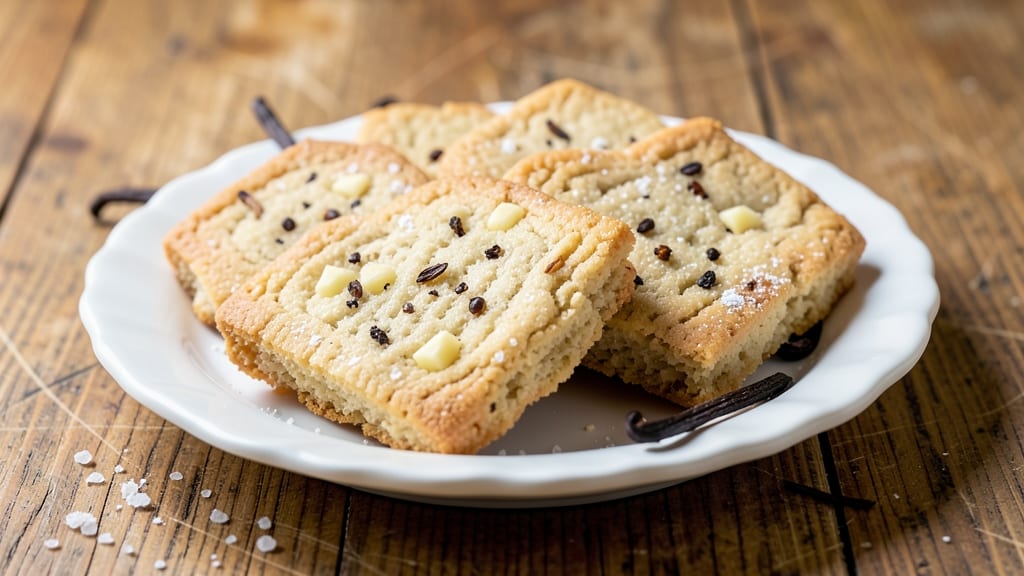
Grandma's shortbread cookies recipe delivers that perfect buttery crunch with vanilla infusion that makes every bite feel like a hug from the kitchen. The secret lies in just three simple ingredients—flour, butter, and sugar—mixed and baked to golden perfection.
I've been perfecting this recipe for years, and it never fails to impress with its foolproof simplicity and restaurant-quality results.
What makes these shortbread cookies truly special is the technique: cold butter creates tender layers, while vanilla extract infuses warmth without overpowering the buttery flavor. The dough comes together in minutes, and with just 15 minutes of baking time, you'll have crisp edges and a melt-in-your-mouth center.
This is the kind of dessert that feels indulgent yet effortless—ideal for holidays, gifts, or a simple treat.
By the time they emerge from the oven, these cookies will be golden brown with a delicate crumb that practically dissolves on your tongue. The aroma alone fills the kitchen with warmth, and the flavor—pure buttery vanilla—is what makes them unforgettable.
Whether you stick to the classic version or experiment with add-ins like citrus zest or chocolate chips, the base recipe delivers every time.
Perfect for sharing or keeping for yourself, these cookies stay fresh for days in an airtight container. Let's get baking—your kitchen will thank you for the nostalgic, buttery magic.
Ingredients for grandma's shortbread cookie
Three core ingredients transform into nostalgic shortbread cookies with that signature buttery crunch and vanilla warmth.
| Ingredient | Amount | Notes |
|---|---|---|
| All-Purpose Flour 🌾 | 3 cups | Sifted for light texture |
| Unsalted Butter 🧈 | 1 lb | Cold, cubed, not softened |
| Granulated Sugar 🍚 | ½ cup | Superfine preferred for smoothness |
| Pure Vanilla Extract 🌸 | 1 ½ tbsp | High-quality, real vanilla |
| Diamond Crystal Kosher Salt 🧂 | ½ tsp | Fine grain, not iodized |
| Vanilla Bean Seeds 🌸 | 1 whole | Scraped from 1 pod (optional) |
| Granulated Sugar (for rolling) 🍚 | ¼ cup | Superfine for even coating |
The butter is non-negotiable here—European-style unsalted butter (like Plugrá or Kerrygold) has higher fat content, which makes these cookies extra tender. Keep it cold: pull it straight from the fridge and cut it into cubes (don't let it soften!). The flour? King Arthur or Gold Medal brands work best—they're finely milled and consistent. Pro tip: chill your mixing bowl and utensils too. If you're feeling fancy, scrape seeds from a Madagascar vanilla bean for extra depth, but the extract alone delivers that classic flavor. Superfine sugar is worth the splurge—it dissolves smoothly and prevents graininess.
No vanilla extract? Vanilla sugar (like Trader Joe's or Sugarfina) works in a pinch—use 1 tbsp and skip the liquid extract. Short on butter? Vegetable shortening at the same weight keeps them crisp, but they won't taste quite as rich. For a citrus twist, add 1 tsp lemon zest to the dough (zest only, no pith!). The sugar for rolling? If you can't find superfine, pulse regular granulated sugar in a food processor for 30 seconds. And if you're making these for gifts, melted white chocolate for dipping takes them to the next level—just let it set on parchment.
This dough keeps for 3 days in the fridge, wrapped tightly in plastic. For longer storage, shape the cookies, freeze them on a tray, then transfer to a sealed bag for 3 months. Baked cookies stay fresh for 5 days in an airtight tin, but honestly? They disappear faster than that. The secret to crisp edges? Bake them 1-2 minutes longer than the recipe says—your kitchen will smell like heaven, and every bite will have that perfect crunch. Double the batch: these are the kind of cookies people ask for by name.
Why You'll Love This Recipe
- No-Fuss Mixing: I swear, this dough comes together in five minutes—just pulse the butter and sugar until it’s like wet sand, then fold in the flour. No creaming, no overworking, just done.
- Buttery Magic: That cold butter cut into sugar? It creates this melt-in-your-mouth texture—crisp edges, tender middle, and a vanilla whisper that lingers. Honestly, it’s the kind of cookie that makes people ask, "What’s in it?" before realizing it’s just flour, butter, and love.
- Party in a Box: Freeze the dough balls for last-minute holiday gifts or bake a batch ahead for coffee dates. They stay fresh for days, and I’ve used them to impress book club friends, teacher gifts, and even my skeptical uncle. (Yes, even on a Tuesday night.)
- Budget-Friendly Luxury: Four ingredients, zero waste—this recipe stretches further than fancy cookies. A single batch feeds a crowd, and the leftovers? They disappear faster than my willpower when I’m stressed. Plus, diamond kosher salt? A pinch elevates everything without breaking the bank.
Step-by-step instructions for grandma's shortbread cookies
Here's how to create melt-in-your-mouth shortbread with that signature vanilla depth and crumbly perfection.
Cut and Chill the Butter
Using a sharp chef's knife, cut the 1 lb unsalted butter into ½-inch cubes and place them on a plate. I like to work with cold butter for this recipe—it creates those signature flaky layers that make shortbread so special. Pop the plate in the freezer for 10 minutes to firm everything up. You'll know it's ready when the cubes hold their shape and don't leave greasy fingerprints.
While the butter chills, scrape the seeds from the 1 whole vanilla bean using the tip of your knife. You should get about ¼ teaspoon of tiny black seeds. These will infuse your cookies with that authentic vanilla aroma that makes this recipe truly special. Set the seeds aside for later.
Mix Dry Ingredients and Incorporate Butter
In a large mixing bowl, whisk together the 3 cups all-purpose flour, 0.5 cup granulated sugar, 0.5 teaspoon diamond crystal kosher salt, and the vanilla bean seeds. Give it a good stir to distribute everything evenly. This is your dry base—no need to overmix here, just combine thoroughly.
Add the chilled butter cubes to the dry mixture. Using your fingers or a pastry cutter, work the butter into the flour until you have pea-sized crumbs with some larger butter pieces remaining. This texture is crucial—it creates those beautiful flaky layers when baked. If your mixture feels too dry, don't add water. The butter's natural moisture is enough to bind everything together.
Add Wet Ingredients and Form the Dough
Create a well in the center of your mixture and add the 1.5 tablespoons pure vanilla extract. Using a silicone spatula, gently fold everything together until the dough just comes together. You might need to use your hands for this final step—press the mixture lightly to help it bind. The dough should be slightly crumbly but hold together when pressed.
Turn the dough out onto a clean surface and gently press it into a 1-inch thick rectangle. Wrap it tightly in plastic wrap and refrigerate for at least 2 hours (I prefer 3 hours for best results). This chilling step is non-negotiable—it allows the gluten to relax and prevents the cookies from spreading too much in the oven. The cold dough will be firm but pliable when ready.
Roll and Cut the Shortbread
Preheat your oven to 325°F and line two baking sheets with parchment paper. Remove the chilled dough from the refrigerator and let it sit at room temperature for 10 minutes—just enough to make it easier to handle without warming too much. On a lightly floured surface, roll the dough to ¼-inch thickness (about ⅛-inch thinner than the original rectangle).
Use a 2½-inch round cutter to cut out cookies, pressing straight down without twisting. The dough will be firm but should hold its shape when cut. Place the cut cookies 1 inch apart on the prepared baking sheets. For extra flavor, sprinkle the tops with the 0.25 cup granulated sugar for rolling, pressing it lightly into the dough. This creates that beautiful sugar crust that's characteristic of shortbread.
Bake to Golden Perfection
Bake the shortbread for 12-15 minutes until the edges are just beginning to turn golden and the centers still look slightly pale. The cookies should be firm to the touch but not browned. I like to rotate the baking sheets halfway through for even baking—this is especially important if your oven has hot spots. Remove them from the oven when they look done but still have a few minutes of carryover heat to finish cooking.
Let the cookies cool on the baking sheets for 5 minutes before transferring to a wire rack to cool completely. The centers will firm up as they cool, giving you that perfect balance of crisp edges and tender crumb. For best flavor, let them sit at room temperature for at least 1 hour before serving—this allows the vanilla to fully infuse and the textures to develop properly. Store in an airtight container for up to 5 days or freeze for longer storage.
Pro Tips For Making Grandma'S Shortbread Cookie
- Chill the Dough: I learned this the hard way—skipping the fridge means cookies that spread into sad, flat pancakes. Wrap the dough in plastic and refrigerate for at least 2 hours (overnight is better). The cold butter stays firm, and the gluten relaxes enough to hold its shape. Trust me, your cookies will thank you.
- Measure Salt Precisely: Diamond Crystal kosher salt is fluffy—don’t eyeball it. Use a kitchen scale for ½ teaspoon (about 3 grams) or level your measuring spoon carefully. Too little, and the dough tastes bland; too much, and it’ll dry out. I used to dump it in, and the texture always suffered.
- Cut Butter in Cold: Take the unsalted butter straight from the fridge and cut it into cubes before mixing. Room-temperature butter melts into the flour, and you’ll end up with a greasy, unworkable dough. Use a pastry cutter or your fingers—just keep it cold. This is the thing that matters most for that perfect crumb.
- Press Dough Gently: Don’t pack the flour when pressing the dough into the pan. Use the bottom of a glass to shape it—just enough pressure to fill the edges. Overworking it makes the cookies dense. I was skeptical until I tried it: lighter pressure means lighter cookies, and they hold their shape beautifully.
Common mistakes when making this recipe
Butter Temperature Trap
Using butter that's too soft is the #1 mistake I see—it melts into the dough instead of creating those signature flaky layers. Always work with cold butter cubes straight from the fridge.
If your kitchen is warm, freeze the butter for 10-15 minutes before cutting. I've ruined batches when I rushed this step—trust me, the wait is worth it for that perfect crumb. 🧈
Overmixing the Dough
This is where shortbread goes wrong—too much handling develops gluten, making cookies tough instead of tender. Once your butter is incorporated into pea-sized crumbs, stop mixing. The dough should look like wet sand with some larger butter pieces.
If you're tempted to "fix" it by adding water, resist! The butter's natural moisture is enough to bind everything. 💡
Skipping the Chill
Rushing the 2-3 hour chill is a recipe for disaster—cookies spread into sad pancakes. The cold dough prevents excessive spreading and allows flavors to meld. I've learned this the hard way after baking batches straight from the mixer.
Pro tip: Freeze shaped dough for 30 minutes if you're in a hurry, but it won't be quite as perfect.
Incorrect Rolling Thickness
Rolling too thin (⅛-inch or less) makes shortbread dry and crumbly. Aim for ¼-inch thickness—this gives you that perfect balance of crisp edges and tender centers.
I use a bench scraper to check thickness by running it along the dough. Too thick? Your cookies will be cakey. Too thin? They'll be like crackers. 📏
Overbaking for Color
Shortbread should be pale golden, not brown. Once the edges turn golden, remove them immediately—they'll continue cooking on the tray. I've burned batches waiting for deeper color, but that's not what we want here.
The centers should look slightly underdone when you pull them out. They'll firm up as they cool. ⏰
Improper Sugar Rolling
Sprinkling sugar on top is optional, but if you do it, press it lightly into the dough so it melts slightly during baking. Just tossing it on creates uneven coverage.
I like to use a fine-mesh sieve for even distribution. For extra sparkle, mix 1 tsp turbinado sugar into the rolling sugar—it adds beautiful crunch. 💫
Nutrition facts
Frequently asked questions
Can I use salted butter instead of unsalted?
Yes, but you'll need to reduce the added salt. Use 1 lb salted butter and omit the 0.5 tsp kosher salt from the recipe. The salt content in salted butter varies by brand, so taste your dough before baking to adjust. For best results, stick with unsalted butter to maintain consistent flavor.
Why does my shortbread dough look too dry?
This happens when the butter melts too quickly or the flour absorbs moisture. The dough should be crumbly but hold together when pressed. If it's too dry, gently mix in 1 tsp cold milk or heavy cream (just enough to bring it together). Never add water—it makes the cookies tough. Chill the dough longer if needed to help bind it.
Can I make this recipe gluten-free?
Replace the all-purpose flour with a 1:1 gluten-free baking flour blend (like Bob's Red Mill or King Arthur). For best texture, add ½ tsp xanthan gum to the dry ingredients. These cookies will be slightly more crumbly but still delicious. Check your blend's instructions—some already include xanthan gum.
How do I store leftover shortbread?
Keep them fresh in an airtight container at room temperature for up to 5 days. For longer storage, freeze shaped cookies (unbaked) on a tray, then transfer to a bag for 3 months. To revive, warm at 350°F for 3-5 minutes. For baked cookies, reheat at 300°F for 5 minutes to restore crispness.
What's the secret to extra-flaky layers?
Cold butter is key—cut it into ½-inch cubes and freeze for 10 minutes before mixing. Work quickly to avoid warming the dough, and avoid overmixing. For next-level flakes, fold in 1 tbsp cold butter at the end of mixing. The layers form during baking when the butter melts between flour sheets.