
Desserts
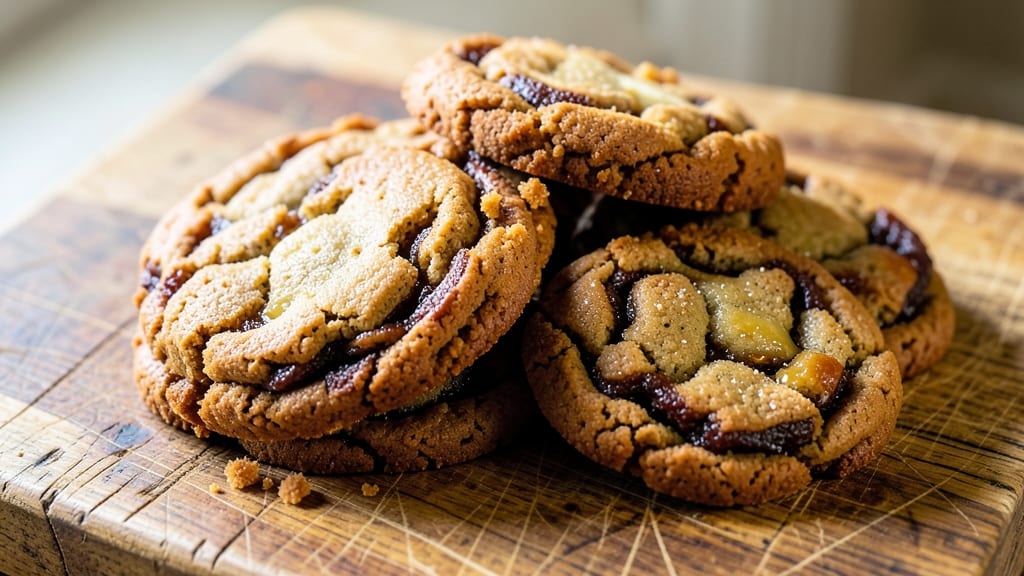
This Guinness cookie recipe delivers the perfect balance of deep malted richness and toasted nut crunch—every bite tastes like a cozy pub dessert with a professional twist. The secret lies in using Guinness stout as both a flavor enhancer and tenderizer, creating cookies that are chewy inside with crisp edges.
I developed this recipe after years of experimenting with beer-based desserts, and it’s now my go-to for holiday gatherings or when I crave something indulgent yet balanced.
The process is straightforward but precise: mix the dough with Guinness stout, fold in chopped walnuts or pecans for that signature crunch, and bake until golden brown. The stout adds a subtle bitterness that cuts through the sweetness, while the nuts provide texture contrast.
These cookies stay moist for days, making them ideal for baking ahead or gifting. The aroma alone—warm, malty, and nutty—will have everyone gathering in the kitchen.
What makes these cookies special is their versatility—add chocolate chips for extra richness or swap nuts for dried fruit if you prefer. They’re sturdy enough to transport without breaking and hold up well for 3-4 days in an airtight container.
Whether you’re serving them at a holiday party or enjoying a quiet night with a cup of tea, these cookies deliver restaurant-quality flavor with a homemade touch.
Ready to elevate your dessert game? Let’s dive into the full recipe—where the magic of Guinness stout meets classic cookie perfection. The instructions are foolproof, and the results will impress even the most discerning guests. Here’s everything you need to create these rich, chocolatey cookies with toasted nut crunch.
Ingredients for guinness cookie
Rich malted depth meets toasted nut crunch—here’s everything you’ll need for Guinness cookies that taste like a cozy pub dessert.
| Ingredient | Amount | Notes |
|---|---|---|
| Guinness Stout 🍺 | ½ cup | Chilled for best flavor infusion |
| Unsalted Butter 🧈 | 1 cup | Cold, cubed for easier mixing |
| Granulated Sugar 🍚 | 1 cup | Light brown sugar for chewiness |
| Packed Brown Sugar 🍚 | ½ cup | For deeper molasses flavor |
| Large Eggs 🥚 | 2 whole | Room temperature for even mixing |
| Vanilla Extract 🌿 | 1 tbsp | Pure Madagascar bourbon preferred |
| All-Purpose Flour 🌾 | 2 cups | Sifted for lighter texture |
| Baking Soda 🧂 | ½ tsp | Freshly opened for potency |
| Diamond Crystal Kosher Salt 🧂 | ½ tsp | Fine grain preferred |
| Chopped Walnuts 🥜 | 1 cup | Toasted for enhanced aroma |
| Dark Chocolate Chips 🍫 | ½ cup | 70% cocoa or higher |
| Ground Cinnamon 🌿 | ½ tsp | Freshly ground preferred |
The Guinness is non-negotiable here—freshly chilled from the fridge adds the best malted flavor without overpowering. Local craft breweries often sell it cheaper than supermarkets, and the 12-ounce bottles from Total Wine stay fresh longer. If you’re using a can, pour it into a measuring cup to avoid foam waste. The butter should be cold (I mean cold enough to hold its shape) for flaky layers, but not rock-hard. Plugrá or Land O’Lakes unsalted are my go-tos—they’re consistently reliable.
No walnuts? Pecans or hazelnuts work beautifully—just toast them first for that same nutty punch. Swapping chocolate chips for dried cranberries or cherries cuts the sweetness, but you’ll lose some richness. The brown sugar can be all light or all dark—Domino or C&H brands are reliable. For an extra boost, add 1/4 teaspoon of instant espresso powder to the dry ingredients. It deepens the chocolate flavor without tasting like coffee. And if you’re baking ahead, freeze the dough balls for up to 3 months—they’ll be perfectly fresh when you bake.
These cookies keep for 5-6 days in an airtight container at room temperature, but they’re best within 2 days for maximum chewiness. For gifting, wrap individually in parchment-lined bags with a ribbon—they’ll stay fresh for 3 days that way. The chocolate chips soften over time, so if you’re storing leftovers, keep them in the fridge for up to 1 week. The aroma alone will have your kitchen smelling like a pub—worth the extra minute of chilling the dough before baking.
Why You'll Love This Recipe
- No Mixing Madness: I swear by this dough—just cream butter and sugars, fold in the Guinness, and you’re done. No overworking, no waiting for flour clouds to settle. The stout handles the mess.
- Rich Without the Guilt: That first bite? Deep, toasty, and just sweet enough—like a hug from a pub kitchen. The brown sugar caramelizes while the Guinness adds this mysterious, slightly bitter depth that makes them irresistible.
- Party in a Jar: These freeze like champs, so I bake a batch on Sundays and pull them out for holidays, game days, or when my book club shows up unannounced. No one suspects how little effort they took.
- Pantry Magic: You’re already using stuff you own—the butter, sugar, and eggs are basics, and a single can of Guinness stretches to two batches. Leftovers? They disappear faster than I can say “second cup of tea.”
Step-by-step instructions for Guinness cookies
Here's how to craft cookies with that perfect balance of rich, malty depth and satisfying crunch.
Infuse the Butter with Guinness Stout
In a medium saucepan, combine the 1 cup unsalted butter (cold and cubed) with the 0.5 cup chilled Guinness Stout. Place over medium-low heat and warm gently, stirring occasionally, until the butter melts completely and the mixture reaches 160°F. You'll notice the stout's aroma intensify as it infuses into the butter—this is where the magic happens. Remove from heat and let cool to room temperature. The butter should thicken slightly as it cools, creating a perfect base for the dough.
This infusion step is crucial—it transforms ordinary cookies into something extraordinary with that signature Guinness depth. Don't rush this process; proper infusion ensures even flavor distribution throughout each cookie. If you're impatient, you can also do this in the microwave in 30-second intervals, stirring between each, but stovetop gives better control.
Cream the Butter and Sweeteners
In a stand mixer fitted with the paddle attachment, beat the infused butter with the 1 cup granulated sugar and 0.5 cup packed brown sugar on medium speed for 3-4 minutes. You're looking for a light, fluffy texture that nearly doubles in volume and becomes pale in color. This creaming process incorporates air, which creates those beautiful crackly tops and helps the cookies spread just enough.
Here's the thing—don't skimp on this step. You'll know it's ready when the mixture leaves a trail in the bowl that holds its shape for a few seconds. If you rush, your cookies will turn out dense instead of chewy. I like to scrape down the sides of the bowl every minute or so to ensure everything gets properly incorporated.
Add Eggs and Flavorings
Add the 2 whole large eggs (room temperature) one at a time, mixing on low speed for 30 seconds after each addition. Then stir in the 1 tablespoon vanilla extract and 0.5 teaspoon ground cinnamon. The mixture should be smooth and well combined. This is where the warm spices come into play, adding complexity that pairs beautifully with the Guinness infusion.
I always use room temperature eggs—they blend more smoothly and help create a lighter texture. If your eggs are straight from the fridge, let them sit in warm water for 5 minutes first. The cinnamon might seem like a small amount, but it enhances the molasses notes from the brown sugar and complements the chocolatey depth of the Guinness.
Combine Dry Ingredients and Fold in Add-ins
In a separate bowl, whisk together the 2 cups all-purpose flour, 0.5 teaspoon baking soda, and 0.5 teaspoon Diamond Crystal kosher salt. Gradually add this mixture to the wet ingredients, mixing on low speed just until combined—you should still see some flour streaks. Remove the bowl from the mixer and gently fold in the 1 cup chopped walnuts and 0.5 cup dark chocolate chips using a silicone spatula.
This is where the texture comes together. The walnuts will add that satisfying crunch, while the dark chocolate chips bring rich pockets of flavor. Make sure the walnuts are evenly distributed—you want each bite to have that perfect balance of cookie, nut, and chocolate. If you're feeling fancy, toast the walnuts first in a dry skillet over medium heat for 3-4 minutes until fragrant for even more depth of flavor.
Chill and Bake to Golden Perfection
Cover the dough with plastic wrap and refrigerate for at least 1 hour (or up to 24 hours for even better flavor). Chilling is non-negotiable—it prevents excessive spreading and allows the flavors to meld. Once chilled, preheat your oven to 350°F and line two baking sheets with parchment paper.
Scoop the dough into 2-tablespoon portions (about 1.5 inches in diameter) and place them 3 inches apart on the prepared sheets. Bake for 11-13 minutes until the edges are golden brown but the centers still look slightly underdone. They'll continue cooking on the hot pan after you remove them from the oven. Let them cool on the baking sheet for 5 minutes before transferring to a wire rack. Enjoy them warm for the ultimate experience!
Pro Tips For Making Guinness Cookie
- Chill the Dough: After mixing, pop the dough in the fridge for at least 2 hours—this isn’t just waiting, it’s the only way to stop the cookies from spreading into flat, sad discs. I learned this the hard way when my first batch looked like hockey pucks.
- Measure Guinness Right: Use ½ cup (not the can’s "serving size" guesswork) and reduce it by simmering uncovered for 10 minutes—this thickens it and cuts the bitterness. Skip this, and your cookies taste like beer, not cookies.
- Cream Butter Cold: Whip the butter and sugars until pale and just starting to fluff, then stop—overmixing turns the dough greasy. I used to force it, thinking more mixing = better texture, but it’s the opposite.
- Scoop Warm Dough: Roll dough balls in your hands to warm them slightly before baking—this ensures even cooking and prevents cracked tops. Cold dough balls bake unevenly, and no one wants a cookie with a sad, uneven crust.
Troubleshooting perfect results
Dough Too Sticky
If your dough feels like glue, it’s usually from too much Guinness or overmixing. I’ve found that chilling the dough for 2 hours (instead of just 1) helps tighten the gluten strands. Also, use 1 extra tablespoon of flour if needed—just mix it in gently with a spatula.
The key is to avoid overworking the dough after adding flour, or you’ll lose that signature chewy texture. 🥜
Cookies Spread Too Much
Over-spreading happens when the dough isn’t chilled long enough or the oven runs hot. Always preheat your oven for 15 minutes and use an oven thermometer—many home ovens run 25°F hotter than set.
Scoop dough balls with a 2-tablespoon cookie scoop (not rounded tablespoons) and place them 3 inches apart on the baking sheet. If they still spread too much, try baking at 325°F instead of 350°F. ⚡
Guinness Flavor Too Strong
The stout’s bitterness can overpower if you don’t balance it with sweetness. I recommend using light brown sugar (not dark) for the first cup, as it adds caramel notes that mellow the Guinness.
Also, reduce the stout to 0.375 cup if you’re sensitive to bitterness—just add 0.125 cup extra milk or cream to compensate for moisture. The walnuts and chocolate chips will also help balance the flavor profile. 🍚
Cookies Too Dense
Dense cookies usually mean the butter wasn’t creamed enough or the eggs weren’t room temperature. Cream the butter and sugars for 4-5 minutes until light and fluffy—this incorporates air for a lighter texture. Also, whisk your eggs vigorously before adding them to the mixture.
If the dough seems too thick, let it rest at room temperature for 10 minutes before chilling, which helps distribute the fat evenly. 💡
Burnt Edges Before Centers Cook
This is a classic oven hotspot issue. Rotate your baking sheets halfway through baking (after 6-7 minutes) for even heat distribution. If your oven has hot spots, place one tray on the middle rack and the other on the lower rack.
Also, avoid opening the oven door early—the sudden temperature drop can cause cookies to sink. A light-colored baking sheet (like aluminum) reflects heat better than dark pans. 🔥
Chocolate Chips Melt Too Soon
If your chocolate chips turn into puddles, your oven is too hot or the dough is too warm. Use high-quality dark chocolate chips (70% cocoa or higher) that have a lower melting point.
Also, chill the dough for the full 2 hours and place the baking sheet on the middle rack—this gives the centers time to cook while the edges brown. If you’re in a hurry, bake at 325°F for 14-15 minutes instead of 350°F. 🍫
Nutrition facts
Frequently asked questions
Can I substitute Guinness with another dark beer?
While you can use other dark beers like stout or porter, Guinness has a unique roasted malt flavor that's hard to replicate. For the best results, stick with Guinness, but if you must substitute, choose a beer with similar bitterness like Black Label stout or Corona Negra. Reduce the amount by 1-2 tablespoons since other beers may have higher alcohol content.
How do I store leftover Guinness cookies?
Keep them fresh in an airtight container at room temperature for 3-4 days. For longer storage, place them in the fridge for up to 1 week or freeze for 3 months. The chocolate chips may soften when refrigerated, so bring cookies to room temperature before serving for the best texture.
Why do my cookies taste bitter?
This usually happens when the Guinness flavor overpowers the sweetness. Balance it by using light brown sugar (not dark) and adding 1/4 teaspoon of vanilla extract or 1 teaspoon of honey to the dough. The walnuts and chocolate chips also help mellow the bitterness—make sure they're evenly distributed.
Can I make these cookies gluten-free?
Yes, but you'll need to replace the all-purpose flour with a 1:1 gluten-free baking flour blend like Bob's Red Mill. Add 1/2 teaspoon xanthan gum to help bind the dough. Keep in mind the texture will be slightly different—these cookies may be more crumbly. For best results, chill the dough for 2 extra hours to improve texture.
What's the best way to serve these cookies?
Warm Guinness cookies pair perfectly with a cup of hot tea or coffee, but they're also great as a dessert after a hearty meal. For extra indulgence, serve with a scoop of vanilla ice cream or a dollop of whipped cream. The malty flavor works especially well with chocolate desserts—try pairing them with a slice of chocolate cake.