Desserts
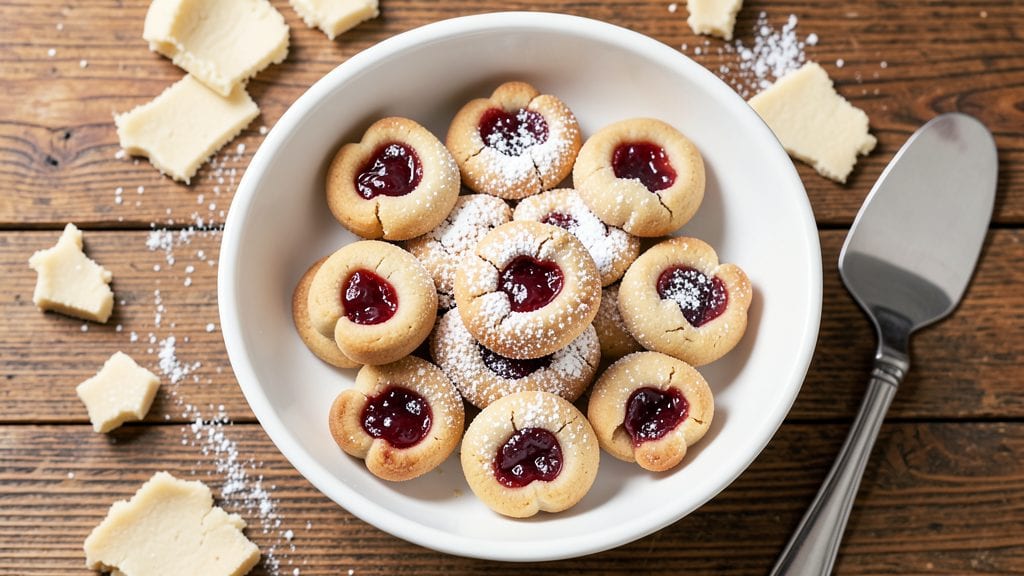
Martha Stewart's thumbprint cookies recipe delivers that perfect balance of buttery shortbread crust and jam-filled centers that taste like a bite of nostalgia. The secret lies in chilling the dough thoroughly—this ensures clean thumbprints and prevents spreading during baking.
I learned this technique the hard way after my first batch turned into a gooey mess.
This classic recipe requires just five ingredients for the dough: butter, sugar, flour, and a pinch of salt, all mixed until it forms a smooth, pliable texture. The filling options are endless—raspberry, apricot, or even chocolate ganache—but Martha's original uses a high-quality strawberry jam.
The key is using a thumbprint tool to create those signature indentations, which hold the jam perfectly.
Baking at 350°F for 10–12 minutes yields golden, crisp-edged cookies with tender centers that stay soft even after cooling. The jam should be warm enough to spread easily but not so hot that it melts into the dough.
Once cooled, these cookies make an elegant gift or a sophisticated dessert for any occasion.
For added flair, dust with powdered sugar or a sprinkle of flaky sea salt before serving. The contrast of sweet jam against the buttery crust is what makes these cookies irresistible. Let's get baking!
Ingredients for martha stewart thumbprint cookies
Five simple ingredients transform into Martha's legendary cookies with jam-filled centers.
| Ingredient | Amount | Notes |
|---|---|---|
| Unsalted Butter 🧈 | 1 cup | Cold, cubed for easy mixing |
| Granulated Sugar 🍚 | ½ cup | Superfine preferred for smooth texture |
| All-Purpose Flour 🌾 | 2 cups | Sifted for light, airy dough |
| Kosher Salt 🧂 | ½ tsp | Fine grain preferred |
| Strawberry Jam 🍓 | ¾ cup | High-quality, seedless preferred |
| Powdered Sugar 🍚 | ¼ cup | For dusting finished cookies |
| Flaky Sea Salt 🧂 | ¼ tsp | For garnish (optional) |
The butter is non-negotiable—use European-style unsalted butter if possible, like Plugrá or Land O'Lakes European Style. Most grocery stores carry it near the regular butter, but specialty shops like Whole Foods stock premium brands. Chill your butter cubes for at least 30 minutes before mixing to ensure the dough stays firm enough for clean thumbprints. The sugar should be fine granulated or superfine for a smoother texture—no sanding required. For the jam, Eagle Brand or Bonne Maman are reliable choices, but any high-quality, seedless strawberry jam works. Avoid low-end brands with thickeners or artificial flavors—they won't melt cleanly into the dough.
No superfine sugar? Pulse regular granulated sugar in a food processor for 30 seconds. Short on strawberry jam? Apricot, raspberry, or even apricot preserves work beautifully—just adjust the filling quantity to taste. The flaky sea salt is optional but adds a sophisticated contrast to the sweet jam. If you're making these for a crowd, double the recipe, but don't skip chilling the dough between batches—it's the secret to perfect thumbprints. For a festive touch, swap the jam for chocolate ganache or lemon curd, though traditionalists will argue strawberry is classic.
Store dough scraps wrapped in plastic for up to 3 days in the fridge. Baked cookies keep in an airtight container for 5 days at room temperature, though they're best enjoyed fresh. For gifting, package them in clear cellophane bags tied with ribbon—add a sprinkle of powdered sugar just before sealing for a restaurant-worthy presentation. Freeze unbaked dough balls for up to 3 months; bake straight from frozen, adding 1-2 minutes to the cook time. The thumbprint tool is worth investing in, but a round cookie cutter or even a teaspoon works in a pinch.
Why You'll Love This Recipe
- No-Fuss Dough: I swear, this dough comes together in five minutes—just cream butter and sugar, toss in flour, and you’re done. No mixer, no fuss, just the kind of recipe that makes me feel like a baking genius when my kids ask, "Mom, why are you smiling like that?"
- Jam-Packed Joy: That little thumbprint of strawberry jam? It’s the star. The buttery dough holds its shape while the jam stays gooey inside—like a tiny, edible hug. Honestly, I’ve tried other jams, but strawberry is the one my family begs for.
- Holiday or Snack Attack: These cookies look fancy enough for Christmas cookies but take zero effort. Freeze half the dough for last-minute gifts, or bake a batch on a Tuesday night when you’re craving something sweet. They’re my go-to for picnics, potlucks, or just because.
- Budget Baking Win: Butter and flour are pantry staples, and a small jar of jam lasts forever. I make two dozen for under $3—way cheaper than store-bought cookies, and way tastier. Plus, leftovers? They disappear in two days, so no sad, stale cookies here.
Step-by-step instructions for Martha Stewart's thumbprint cookies
Follow this precise method for buttery, melt-in-your-mouth cookies with jam centers that stay perfectly soft.
Prepare the Shortbread Dough
Cut the 1 cup unsalted butter into small cubes and place in the bowl of a stand mixer fitted with the paddle attachment. Mix on low speed until the butter is fully combined and begins to soften slightly—about 1 minute. This ensures even distribution before adding sugar.
Add the 0.5 cup granulated sugar and mix on medium speed for 2-3 minutes until the mixture becomes pale and fluffy. The sugar should be completely incorporated, and the butter should look like wet sand. This creaming process creates air pockets that make the cookies tender and light.
In a separate bowl, whisk together the 2 cups all-purpose flour and 0.5 teaspoon kosher salt. Gradually add the flour mixture to the butter-sugar blend, mixing on low speed until just combined. Avoid overmixing—stop as soon as the dough comes together. The dough should be slightly crumbly but hold when pressed.
Shape and Chill the Dough
Turn the dough out onto a lightly floured surface and gently press it into a 1-inch thick disc. Wrap tightly in plastic wrap and refrigerate for at least 1 hour (or up to 24 hours). Chilling firms the butter, which prevents excessive spreading during baking and ensures clean thumbprint indentations.
Preheat your oven to 350°F while the dough chills. Line two baking sheets with parchment paper. The dough should be cold but pliable when ready to shape—press gently to test. If it cracks or feels too firm, let it sit at room temperature for 5-10 minutes before proceeding.
Roll and Cut the Dough
Roll the chilled dough to a ¼-inch thickness on a lightly floured surface. Use a 2-inch round cutter to cut out circles, gently re-rolling the scraps as needed. Place the circles on the prepared baking sheets, spacing them 1 inch apart. The dough should hold its shape without sticking to the parchment.
Use your thumb to press a ½-inch deep indentation in the center of each circle, creating a well. This is where the jam will nestle. The indentation should be uniform—press firmly but evenly to avoid tearing the dough. If the dough resists, let it rest at room temperature for 5 minutes to soften slightly.
Fill and Bake the Cookies
Scoop ½ teaspoon of the 0.75 cup strawberry jam into the center of each indentation using a small spoon or piping bag. Press the jam gently into the well so it adheres to the dough. The jam should fill the indentation completely but not overflow the edges—this ensures a clean, elegant finish.
Bake the cookies on the middle rack for 12-15 minutes, rotating the pans halfway through, until the edges are light golden brown and the centers look slightly underbaked. They should feel firm to the touch but still soft in the center. Overbaking will dry out the jam—pull them out when they look just set.
Cool and Finish
Let the cookies cool on the baking sheets for 5 minutes before transferring them to a wire rack. While still warm, dust the tops generously with the 0.25 cup powdered sugar using a fine-mesh sieve. The powdered sugar should adhere lightly to the surface, adding a delicate sweetness without overwhelming the jam.
For an optional finishing touch, sprinkle each cookie with a pinch of 0.25 teaspoon flaky sea salt while the powdered sugar is still damp. The contrast of sweet, salty, and fruity flavors elevates the classic thumbprint. Serve warm for the best texture—jam centers should be soft and gooey, with a buttery crust that melts in your mouth.
Pro Tips For Making Martha Stewart Thumbprint Cookies
- Chill the Dough Properly: Martha’s recipe calls for 30 minutes in the fridge, but I’ve learned that’s barely enough—especially if your kitchen is warm. Double that time (or pop the dough in the freezer for 15 minutes) to prevent the jam from oozing out when you bake. Trust me, the difference in neat, intact cookies is worth the wait.
- Use Cold Butter, Not Soft: I used to melt the butter for convenience, but that’s a fast track to greasy, flat cookies. Cut the unsalted butter straight from the fridge into cubes and pulse it with the sugar in the food processor until it’s pea-sized but still holds shape. This keeps the texture tender yet sturdy enough to hold the thumbprint.
- Don’t Overfill the Jam: The recipe says ½ teaspoon of jam per cookie, but I’ve seen people use twice that—and end up with jam puddles on the baking sheet. Use a small cookie scoop or the tip of a knife to measure, then press the jam in firmly. Less is more; you want a hint of strawberry, not a jam explosion.
- Bake in Batches, Space Them Out: Crowding the tray leads to uneven baking and cookies that spread into sad, jam-less blobs. Arrange them 2 inches apart and bake only one tray at a time. If your oven runs hot, rotate the tray halfway through—this ensures the edges crisp while the centers stay tender. (Yes, it takes longer, but it’s worth it.)
Dietary considerations for these flavors
Gluten-Free Adaptation
For a gluten-free version, swap the 2 cups all-purpose flour with a 1:1 gluten-free baking flour like King Arthur Measure for Measure or Bob's Red Mill 1-to-1. These blends contain xanthan gum, which mimics gluten's structure.
Chill the dough for 2 extra hours to prevent cracking during rolling. I've found that gluten-free dough benefits from an additional ¼ cup almond flour for better texture and moisture retention. 🌾
Dairy-Free Options
Replace the 1 cup unsalted butter with 1 cup dairy-free butter like Miyoko's Creamery or Earth Balance. For extra richness, use vegan shortening instead. The dough will be slightly more fragile, so handle it gently when rolling.
Warm the jam slightly before filling to ensure it spreads smoothly into the indentations. The final texture remains tender but with a slightly denser crust.
Lower Sugar Version
Reduce the 0.5 cup granulated sugar to 0.35 cup and replace the remaining 0.15 cup with unsweetened applesauce. This keeps the cookies moist without overpowering the jam. The dough will be slightly softer, so increase chilling time to 2 hours and avoid overbaking—pull them when edges are just golden.
The flavor remains buttery with a subtle fruitiness from the applesauce. 🍏
Nut-Free Considerations
If avoiding nuts entirely (beyond almond flour in gluten-free versions), stick to the original recipe's flour and butter. The dough's structure relies on these ingredients, so substitutions could compromise texture.
For a nut-free gluten-free option, use Bob's Red Mill Gluten-Free 1-to-1 Flour without almond flour. Always check labels on jam brands—some contain trace nuts as processing aids.
Allergen-Friendly Jam
Choose jams labeled "nut-free facility" and "egg-free" to accommodate common allergies. Brands like Welch's and Smucker's offer allergen-friendly options. For a homemade solution, make your own jam using fresh fruit, pectin, and lemon juice—just ensure no cross-contamination with allergens during preparation.
Always verify ingredient lists, as some commercial jams contain hidden dairy or egg derivatives.
Nutrition facts
Frequently asked questions
Why does Martha Stewart's recipe call for chilling the dough?
Chilling the dough for at least 1 hour firms the butter, preventing excessive spreading during baking. This ensures clean thumbprint indentations and a crisp edge. Skipping this step often results in flat, misshapen cookies. For best results, chill overnight if possible.
Can I use a different jam flavor besides strawberry?
Try raspberry, apricot, or even chocolate ganache for a rich twist. Just ensure the filling is warm enough to spread but not so hot it melts into the dough. The jam should fill the indentation completely without overflowing.
What if my thumbprint cookies spread too much?
Over-spreading usually means the dough wasn't chilled enough or the butter was too soft. Next time, chill the dough for 24 hours and use cold butter from the fridge. Also, avoid overbaking—pull them when edges are just golden (12-15 minutes at 350°F).
How do I store leftover thumbprint cookies?
Keep them in an airtight container at room temperature for up to 5 days. For longer storage, freeze unbaked dough balls for 3 months or baked cookies for 2 months. Thaw in the fridge overnight before serving. The jam stays soft when properly stored!
Can I make these cookies without a thumbprint tool?
Yes! Use a round cookie cutter or even a teaspoon to create indentations. Press firmly with your thumb to make the well deeper. A butter knife works too—just press straight down in the center. The key is consistency in depth for even jam distribution.