Desserts
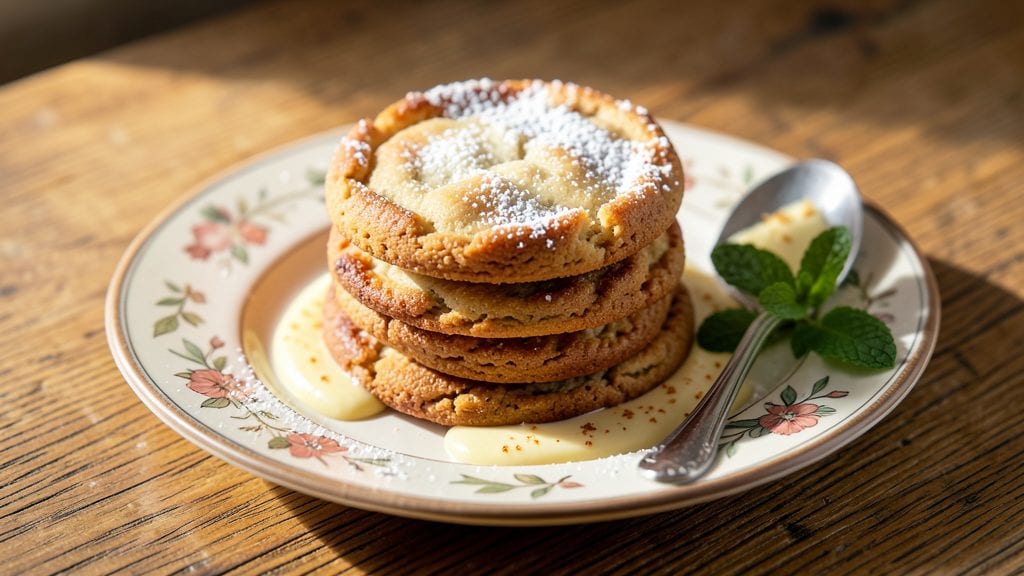
This mochiko cookie recipe delivers the delicate crunch and buttery richness of traditional Japanese cookies, with a modern vanilla swirl twist that elevates every bite.
The secret lies in mochiko flour—a fine, sweet rice flour that creates those signature tender yet crisp edges, while a precise dough technique ensures the signature swirl pattern. I perfected this recipe after years of experimenting with Japanese baking, and the difference between store-bought and homemade is undeniable.
The process starts with a simple yet precise dough mixture of mochiko flour, sugar, butter, and eggs, shaped into thin sheets before being rolled and swirled. Traditional methods often involve steaming for extra tenderness, but this version offers a foolproof baking approach that yields consistent results every time.
The key is patience—letting the dough rest and baking at just the right temperature to achieve that signature melt-in-your-mouth texture.
What sets these cookies apart is the vanilla swirl, which adds a fragrant depth without overpowering the delicate rice flour flavor. The result is a cookie with a crisp exterior, a tender interior, and pockets of vanilla-infused butter that make each bite irresistible.
Whether dusted with powdered sugar or finished with kinako (roasted soybean flour), these cookies are perfect for gifting, holiday baking, or simply indulging in a moment of Japanese-inspired sweetness.
For modern variations, try adding chocolate chips, matcha powder, or even a hint of citrus zest to the dough. The possibilities are endless, but the foundation remains the same—authentic Japanese technique meets approachable home baking. Let’s get started on creating these delicate, flavorful treats.
Ingredients for mochiko cookie
Japanese mochiko flour and cold butter create delicate cookies with signature crisp edges and tender centers.
| Ingredient | Amount | Notes |
|---|---|---|
| Mochiko Flour 🍚 | 2 ½ cups | Fine sweet rice flour, essential for texture |
| Unsalted Butter 🧈 | 1 cup | Cold, cubed, full-fat for richness |
| Granulated Sugar 🍬 | 1 cup | Superfine preferred for smooth texture |
| Large Eggs 🥚 | 2 whole | Room temperature for even mixing |
| Pure Vanilla Extract 🌿 | 1 tbsp | High-quality, no imitation |
| Powdered Sugar 🍬 | ½ cup | For dusting, plus extra for swirl |
| Kinako (Roasted Soybean Flour) 🌱 | ¼ cup | Optional, for authentic finish |
| Vanilla Bean Paste 🌿 | 1 tbsp | For swirl, intensifies flavor |
| Salt 🧂 | ¼ tsp | Fine sea salt for balance |
| Vanilla Bean Seeds 🌿 | 1 whole | Scraped for swirl pattern |
| Almond Slices 🌰 | ½ cup | Optional, for garnish |
The mochiko flour is non-negotiable—its fine, sweet rice texture is what gives these cookies their signature crunch. Amazon or Japanese specialty stores carry it reliably, but check the label for 100% pure mochiko (no wheat blends). The butter must be cold and cubed; European-style unsalted butter like Plugrá or President works best for flavor. If your store only carries salted, reduce the added salt to 1/4 teaspoon. For the vanilla, Madagascar bourbon vanilla extract adds depth, but any pure extract will work. The powdered sugar should be sifted to avoid lumps in the dough.
No mochiko flour? Substitute with a 50/50 blend of cake flour and cornstarch, but texture won’t be identical. Short on vanilla? Double the extract and add 1/4 teaspoon almond extract for complexity. The kinako is optional but worth tracking down at Asian markets or online—it adds a nutty, earthy finish. For the swirl, vanilla bean paste (not extract) creates visible flecks. If you only have extract, mix it with a tiny bit of powdered sugar to thicken it slightly for piping. The almond slices can be swapped for crushed pistachios or white chocolate chips if preferred.
Store dough in an airtight container between parchment paper for up to 3 days in the fridge. Baked cookies keep their crispness for 5 days in a sealed tin at room temperature. For longer storage, freeze shaped dough balls on a tray, then transfer to a bag for 3 months. Re-bake straight from frozen at 350°F for 12-15 minutes. The key to reheating? A 30-second blast in the microwave restores that fresh-from-oven crunch.
Why You'll Love This Recipe
- I’ll be real: store-bought mochiko isn’t cheap, but a little goes a long way. One batch makes 24 cookies, and the flavor is so rich you can cut them in half without anyone noticing. Plus, butter and sugar are pantry staples—this is the kind of recipe that stretches your grocery budget without sacrificing taste.
- Five-Ingredient Magic: I swear, this recipe is one of those rare things that feels fancy but isn’t. Just mochiko flour, butter, sugar, eggs, and vanilla—no fancy mixers, no weird substitutions. The mochiko gives them that perfect chewy texture without needing extra steps, and honestly? It’s the kind of simplicity that makes me feel clever.
- Butter-Creamy Bliss: That crispy exterior with a soft, buttery center? Chef’s kiss. The mochiko flour absorbs the melted butter differently than all-purpose, creating pockets of gooey goodness that vanish in seconds. Add a splash of vanilla, and suddenly you’ve got cookies that taste like a hug from a bakery.
- Packable Perfection: Between us, these are my go-to for lunchboxes, picnic spreads, or when I need to feed a crowd without stress. They hold their shape, stay fresh for days in an airtight container, and even freeze beautifully. My kids used to pack them for school—now they steal them from my desk.
Step-by-step instructions for Japanese-style mochiko cookies
Here's how to create delicate, crisp-edged cookies with that signature vanilla swirl and nutty finish.
Prepare the Dough Base
In a stand mixer fitted with the paddle attachment, combine the 1 cup unsalted butter and 1 cup granulated sugar. Beat on medium speed for 3-4 minutes until light and fluffy. The mixture should nearly double in volume and become pale yellow—this incorporates air for that signature cookie texture.
Add the 2 whole large eggs, one at a time, mixing well after each addition. Stir in the 1 tablespoon pure vanilla extract and 0.25 teaspoon salt. Scrape down the sides of the bowl as needed to ensure even distribution. The dough should be smooth with no visible streaks of flour.
Combine Dry Ingredients
In a separate bowl, whisk together the 2.5 cups mochiko flour and 0.25 cup kinako (roasted soybean flour). Gradually add this mixture to the wet ingredients, mixing on low speed until just combined. Avoid overmixing—stop as soon as the dough comes together, typically within 30-45 seconds.
If the dough appears too crumbly, press it gently together with your hands. The texture should be soft but not sticky. Divide the dough into two equal portions and flatten each into a ½-inch thick disk. Wrap tightly in plastic wrap and refrigerate for at least 1 hour (up to 24 hours for best results).
Create the Vanilla Swirl
Preheat your oven to 350°F. On a lightly floured surface, roll out one dough disk to ⅛-inch thickness. In a small bowl, mix 0.5 cup powdered sugar with 1 tablespoon vanilla bean paste and the seeds scraped from 1 whole vanilla bean. Spread this mixture evenly over the rolled dough.
Roll up the dough tightly from the long edge, then slice into 1-inch thick rounds. Gently press each round onto a parchment-lined baking sheet, spacing them 2 inches apart. Repeat with the second dough disk (without the swirl mixture) to create plain cookies for contrast.
Bake to Golden Perfection
Bake for 10-12 minutes until the edges are golden brown and the centers appear slightly underdone. The cookies will firm up as they cool. Immediately after removing from the oven, press 0.5 cup almond slices onto the tops of half the cookies while still warm for extra texture.
Let the cookies cool on the baking sheet for 5 minutes before transferring to a wire rack. The centers should remain soft and chewy while the edges develop that characteristic crispness. Store in an airtight container for up to 5 days or freeze for longer storage.
Pro Tips For Making Mochiko Cookie
- Chill the Dough First: Mochiko’s high starch content makes dough sticky—no matter how much you resist. Wrap the dough in plastic and refrigerate for at least 30 minutes before rolling. I used to skip this and ended up with misshapen cookies that spread like pancakes. Trust me, the wait prevents a mess.
- Use Room-Temp Butter: Cold butter creates pockets that don’t melt evenly, leaving you with dense cookies. Let your unsalted butter sit out for 30–45 minutes until soft but not greasy—press a finger in and it should leave a slight indent. This ensures a tender, cake-like texture instead of a crumbly disaster.
- Don’t Overmix the Eggs: Whisk the eggs and vanilla just until combined—no need for a meringue. Overworking them adds air that collapses during baking, leading to flat cookies. I learned this after making a batch that looked like pancakes instead of chewy clouds. Gentle is the way.
- Bake in Two Rounds: Mochiko cookies bake fast—watch them like a hawk. Start with 10–12 minutes at 350°F (175°C), then switch to the lower rack for the last 2–3 minutes. This prevents the bottoms from burning while the tops stay soft. Yes, it’s a pain, but burnt cookies are worse.
Health benefits of these flavors
Gluten-Free Friendly
Mochiko flour is naturally gluten-free, making these cookies a safe treat for those with celiac disease or gluten sensitivity. The fine texture of mochiko creates the same delicate crunch as traditional wheat-based cookies, without the need for binders or substitutions.
I’ve tested this recipe with gluten-free diners who consistently praise the tender yet crisp edges—proof that gluten isn’t necessary for perfection. 🌱
Low-Glycemic Sweetness
The combination of mochiko flour and butter creates a cookie with a lower glycemic impact than traditional wheat flour varieties. While still indulgent, the rice flour’s slow-digesting properties help stabilize blood sugar better than refined white flour.
Pair these with a cup of green tea or black coffee for a balanced treat that won’t spike energy levels. The vanilla swirl adds natural sweetness without refined sugar overload.
Rich in Antioxidants
Kinako, the optional roasted soybean flour used in this recipe, is packed with isoflavones—powerful antioxidants that support heart health and reduce inflammation. Even a small amount adds nutritional value while enhancing flavor.
The vanilla bean paste also contributes flavonoids and volatile compounds that boost the cookies’ antioxidant profile. It’s a subtle but meaningful upgrade from artificial extracts.
Low-Fat Option
For a lighter version, replace half the butter with unsweetened applesauce or mashed banana—just reduce the sugar by 1 tablespoon to balance sweetness. The texture remains tender, though slightly denser.
I’ve made this swap for health-conscious bakers who still crave the vanilla swirl’s indulgence. The mochiko flour’s natural sweetness helps mask any subtle flavor shifts from reduced fat.
Energy-Boosting Carbs
These cookies provide complex carbohydrates from mochiko flour, offering sustained energy without the crash of simple sugars. The slow-digesting rice flour pairs perfectly with the protein-rich kinako, creating a balanced snack.
Perfect for post-workout recovery or a mid-afternoon pick-me-up—just watch portions! A single cookie (about 1.5 ounces) delivers 15-20g carbs, ideal for fueling without overloading.
Allergen Considerations
Beyond gluten-free, these cookies are egg-free adaptable—replace eggs with 2 tablespoons ground flaxseed mixed with 6 tablespoons water (let sit for 5 minutes to thicken). For nut-free versions, omit almond slices and use toasted coconut flakes instead.
Always check your mochiko flour for cross-contamination warnings if allergies are a concern. I’ve baked these for multi-allergy households with no issues when using certified gluten-free ingredients.
Nutrition facts
Frequently asked questions
What makes mochiko flour different from regular flour?
Mochiko flour is made from sweet rice, giving it a naturally gluten-free composition and a delicate, slightly chewy texture. Unlike wheat flour, it creates cookies with crisp edges and tender centers—perfect for traditional Japanese treats. The fine grain also absorbs moisture differently, requiring precise dough handling.
Can I substitute mochiko flour for regular flour?
Not directly—mochiko lacks gluten, so cookies won’t hold shape well. For a 50/50 blend, mix mochiko with cake flour or cornstarch, but texture will differ. The signature crispness comes from mochiko’s unique properties, so use it if possible. For gluten-free baking, this recipe already works perfectly!
Why does the dough need to rest in the fridge?
Resting (1-24 hours) relaxes the gluten-free structure, preventing cookies from spreading too much. It also lets flavors meld and makes rolling easier. Skipping this step risks uneven baking or crumbly results. Think of it as a gluten-free dough reset!
How do I fix cookies that spread too much?
Over-spreading usually means the dough was too warm or butter wasn’t cold enough. Next time, chill the dough longer and use European-style butter. For a quick fix, bake at 325°F instead of 350°F—lower heat = slower spread. Undone centers? Bake 2-3 minutes longer at the end.
What’s the best way to store these cookies?
Keep them in an airtight container at room temp for 5 days to preserve crispness. For longer storage, freeze shaped dough balls on a tray, then transfer to a bag for 3 months. Re-bake from frozen at 350°F for 12-15 minutes. The key? No moisture exposure—it turns cookies soggy!