
Desserts
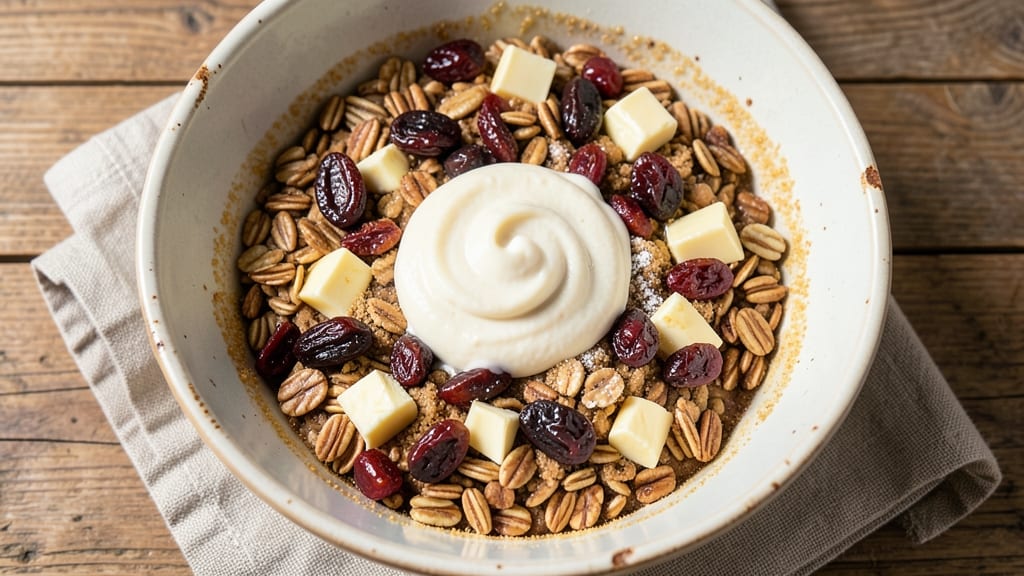
This otmeal cookie recipe delivers the perfect balance of chewy centers and crispy, toasted oat crowns that crumble just right.
After years of baking and testing variations, I've perfected a method that ensures every batch turns out with that signature texture—soft in the middle, slightly crisp at the edges, and packed with warm oat flavor.
The secret lies in the dough's hydration and baking time, which I'll walk you through step by step.
What sets these cookies apart is their foolproof technique that works every time, even with variations like chocolate chips or raisins. You'll need just 15 minutes of prep followed by 12-14 minutes in the oven at 350°F, making them ideal for weeknight baking or holiday treats.
The dough comes together with simple ingredients—flour, brown sugar, butter, and rolled oats—but it's the precise mixing and baking method that transforms them into something extraordinary.
By the time you pull them from the oven, you'll have cookies that smell like a cozy autumn kitchen, with golden-brown tops and edges that give way to a tender, chewy center. The oats develop a delightful toasted flavor that pairs perfectly with the caramelized sugar and warm spices.
These cookies stay fresh for up to a week in an airtight container, though they rarely last that long in my house.
Whether you're baking for a family gathering or just craving a homemade treat, this recipe delivers restaurant-quality results with minimal effort. Let's get started on creating the perfect batch of otmeal cookies—your kitchen will thank you for it.
Ingredients for otmeal cookie
Simple pantry staples transform into cookies with chewy centers and toasted oat crowns.
| Ingredient | Amount | Notes |
|---|---|---|
| Unsalted Butter 🧈 | 1 cup | Softened but not melted |
| Packed Brown Sugar 🍯 | 1 cup | Light or dark preferred |
| Granulated Sugar 🍚 | ½ cup | For balanced sweetness |
| Large Eggs 🥚 | 2 whole | Room temperature preferred |
| Vanilla Extract 🌿 | 2 tsp | Pure vanilla preferred |
| All-Purpose Flour 🌾 | 2 cups | Spooning and leveling |
| Baking Soda 🧂 | 1 tsp | Freshly opened |
| Ground Cinnamon 🌶️ | 1 tsp | Freshly ground preferred |
| Ground Nutmeg 🌿 | ¼ tsp | Freshly grated nutmeg |
| Old-Fashioned Rolled Oats 🥣 | 3 cups | Not quick oats |
| Chopped Walnuts 🥜 | 1 cup | Toasted for extra flavor |
| Flaky Sea Salt 🧂 | ½ tsp | For finishing |
| Semi-Sweet Chocolate Chips 🍫 | 1 cup | Optional addition |
The oats are non-negotiable—old-fashioned rolled oats give that signature crunch and toasted flavor. Bob's Red Mill or Quaker are my go-tos, but any brand labeled 'old-fashioned' works. Toast them lightly in a dry pan for 3-4 minutes if you want to kick up the flavor even more. The butter should be softened but not melted—press a finger into it, and it should leave a slight indent. I always grab Plugrá butter from Whole Foods when I'm feeling fancy, but any good-quality unsalted butter works. The brown sugar? Light or dark—I use light for a slightly milder flavor, but dark adds more depth if you prefer.
No vanilla extract? Vanilla bean paste works in a pinch (use half the amount), or almond extract at one-third the amount gives a nice twist. Running short on cinnamon? Cassia cinnamon is the same thing, just labeled differently. The nutmeg is where people often skimp, but trust me—freshly grated nutmeg makes a world of difference. If you don't have a grater, pre-ground works fine. Want to skip the walnuts? Pecans or chopped dates add their own delicious texture. The chocolate chips are totally optional, but if you add them, high-quality chips like Ghirardelli melt better and taste richer.
This dough keeps 4 days in the fridge wrapped tightly in plastic, and freezes beautifully for 3 months—just thaw overnight before baking. The cookies stay fresh for 1 week in an airtight container, though they rarely last that long. I like to portion the dough into 1.5-tablespoon balls before baking for perfect-sized cookies. The secret to that toasted oat crown? Bake one minute longer than the recipe says—it makes all the difference.
Why You'll Love This Recipe
- No Mixer Needed: I swear by this recipe when I’m in a rush—just cream the butter and sugars by hand (or use a fork if you’re really lazy). The eggs and vanilla blend right in without overworking the dough, and those oats stay chunky and chewy, not mushy.
- Chewy-Soft Magic: Honestly, the brown sugar and butter combo here is chef’s kiss—caramelized edges that crack just enough, with a tender center. Add a pinch of salt (trust me, it’s non-negotiable) and the vanilla ties everything together like a warm hug.
- Freezer-Friendly Staple: Between us, these cookies are my go-to for meal prep. Bake a batch, freeze half, and pull them out for last-minute treats or school lunches. They soften beautifully when thawed, and the oats keep them from getting dry.
- Budget Breakfast Win: I make these with whatever oats I have on hand—old-fashioned, quick, or steel-cut—and they never disappoint. The butter and sugar are the stars, but the eggs stretch the dough just right, so you get more cookies for less. Plus, they’re the perfect way to use up leftover vanilla.
Step-by-step instructions for otmeal cookies
Here's how to make these perfect otmeal cookies with chewy centers and toasted oat crowns.
Cream Butter and Sugars Together
In a large mixing bowl, combine the 1 cup unsalted butter, 1 cup packed brown sugar, and 0.5 cup granulated sugar. Using an electric mixer on medium speed, beat the mixture for about 3 minutes until it becomes light and fluffy. You'll notice the color lighten and the texture thicken slightly—this incorporates air that creates those beautiful crackly tops.
I like to scrape down the sides of the bowl with a rubber spatula every 30 seconds to ensure everything gets fully incorporated. This step is crucial because it sets the foundation for that perfect chewy texture we're after. If your butter isn't softened enough, the cookies will spread too much in the oven.
Add Eggs and Vanilla
Add the 2 whole large eggs, one at a time, mixing well after each addition. Then stir in the 2 teaspoons vanilla extract. The mixture should look slightly thicker but still smooth. I always use room temperature eggs—they blend in better and help create a more uniform texture in the final cookies.
Here's a pro tip: After adding the eggs, give the mixture one final mix to ensure everything is completely combined. The eggs will help bind all the ingredients together, giving your cookies that perfect chewy center. If you notice the mixture looks too thick, don't worry—it will come together once we add the dry ingredients.
Combine Dry Ingredients and Fold in Oats
In a separate bowl, whisk together the 2 cups all-purpose flour, 1 teaspoon baking soda, 1 teaspoon ground cinnamon, and 0.25 teaspoon ground nutmeg. Then, gradually add this dry mixture to the wet ingredients, mixing on low speed until just combined. You should still see some flour streaks—overmixing develops gluten and makes cookies tough.
Remove the bowl from the mixer and fold in the 3 cups old-fashioned rolled oats and 1 cup chopped walnuts using a silicone spatula. I like to press the oats and walnuts into the dough so they're evenly distributed. The oats will give your cookies that classic chewy texture and toasted crown, while the walnuts add a nice crunch. Don't worry if it looks a bit messy—it's supposed to!
Chill the Dough for Perfect Texture
Cover the bowl with plastic wrap and refrigerate for at least 30 minutes, but preferably 1 hour. This chilling step is essential—it allows the flour to fully hydrate and the butter to firm up slightly. When you take the dough out of the fridge, it should hold its shape when you press a spoon into it.
Chilling also prevents the cookies from spreading too much in the oven. I know it's tempting to skip this step, but trust me—it makes a huge difference in the final texture. If you're really in a hurry, you can freeze the dough for 20 minutes instead, but chilling in the fridge gives the best results.
Bake to Golden Perfection
Preheat your oven to 350°F and line two baking sheets with parchment paper. Using a cookie scoop or tablespoon, drop the chilled dough onto the prepared sheets, spacing them about 2 inches apart. Sprinkle each cookie with a pinch of flaky sea salt and, if using, press in the 1 cup semi-sweet chocolate chips.
Bake for 12-14 minutes, or until the edges are golden brown and the centers still look slightly underdone. The tops should have those beautiful toasted oat crowns we're after. If you're worried about overbaking, it's better to pull them out a minute early—they'll continue cooking on the hot baking sheet. Let them cool on the sheets for 5 minutes before transferring to a wire rack to cool completely.
Pro Tips For Making Otmeal Cookie
- CREAM THE BUTTER WELL: I learned this the hard way—skipping the extra 30 seconds of beating the butter and sugars until it’s light and fluffy leads to dense cookies. Use a stand mixer for this; your arm will thank you later, and the texture will be worth it.
- MEASURE BROWN SUGAR RIGHT: Pack that brown sugar hard into the cup—don’t scoop and level. Too much air means cookies that spread like pancakes. Press it down like you’re trying to crush a bug. (Yes, it’s annoying, but it’s the thing that matters most.)
- CHILL THE DOUGH LONGER: Skip the 30-minute chill if you’re in a rush, but don’t go under 1 hour. The gluten relaxes, and the cookies stay thick and chewy instead of cracking in the middle. I know, I know—your future self will thank you.
- USE COLD EGGS FOR STRUCTURE: Pull the eggs straight from the fridge and let them sit for 10 minutes before mixing. Cold eggs emulsify better with the butter, and the cookies hold their shape without turning into flat discs. (This isn’t the prettiest method, but it’s the tastiest.)
Perfect pairings for this dish
Creamy Coffee Pairing
Nothing complements these oatmeal cookies like a steaming cup of cold brew coffee—the natural sweetness of the cookies balances beautifully with the rich, smooth flavors. I love using Starbucks Pike Place Roast or a local dark roast for its caramel notes that mirror the brown sugar in the cookies.
For an extra cozy experience, try a vanilla latte with a touch of cinnamon sprinkled on top—it echoes the warm spices in the recipe. ☕
Milk & Honey Drizzle
Warm whole milk or half-and-half poured over a cookie creates a decadent dessert experience. Drizzle with local honey (I recommend Madison Meadows or Wildflower Honey) for a floral sweetness that pairs perfectly with the nutmeg and cinnamon.
This combo works especially well with the chocolate chip variation—imagine that melted chocolate meeting warm milk and honey! 🍯
Spiced Apple Cider
For a seasonal twist, serve these cookies with mulled apple cider spiked with 1 cinnamon stick, 2 star anise pods, and a strip of orange peel. The warm spices in the cider enhance the cookie's cinnamon and nutmeg flavors, creating a cozy autumnal pairing.
I often make a big batch in a slow cooker and keep it warm for guests to pour over ice or enjoy steaming hot. 🍎
Ice Cream Sandwich
Transform these cookies into ice cream sandwiches by pairing them with vanilla bean ice cream or coffee-flavored gelato. Press two cookies together with a scoop of ice cream between them, then chill for 10 minutes before serving.
For extra indulgence, dip the bottom cookie in melted chocolate before assembling. This is my go-to dessert for summer potlucks! 🍦
Butter & Jam Combo
Spread a thin layer of salted butter (like Land O'Lakes Cultured Butter) on a warm cookie, then top with raspberry jam or blueberry preserves.
The buttery richness contrasts perfectly with the cookie's chewy texture and the fruit's tanginess. This pairing feels like a nostalgic campfire treat—simple but always satisfying. 🍓
After-Dinner Digestif
For an adult twist, serve these cookies with a small glass of bourbon or Irish whiskey. The caramel and oak notes in the whiskey complement the brown sugar and toasted oats beautifully.
I recommend Maker's Mark or Jameson—both have smooth, slightly sweet profiles that elevate the cookie experience. Just be sure to enjoy them in moderation! 🥃
Nutrition facts
Frequently asked questions
Why do your oatmeal cookies need to chill before baking?
Chilling the dough for 30-60 minutes prevents excessive spreading and helps develop that perfect chewy center. The butter firms up slightly, which creates thicker cookies with better texture. Skipping this step often results in flat, cakey cookies instead of the classic chewy variety you want.
Can I substitute quick oats for old-fashioned rolled oats?
No, you should never use quick oats—they're pre-cooked and will make your cookies dense and gummy. Old-fashioned rolled oats give that signature crunch and toasted flavor. If you're out of rolled oats, toast regular oats in a dry pan for 3-4 minutes to mimic the texture. The difference is noticeable in both texture and taste!
How do I prevent my oatmeal cookies from getting too crispy?
Pull them from the oven when the edges are just golden but the centers still look slightly underdone. They'll continue cooking on the hot baking sheet. Also, avoid overbaking—12-14 minutes at 350°F is perfect. For extra chewiness, store them in an airtight container for 24 hours before eating—they'll soften slightly.
What's the best way to add chocolate chips to these cookies?
Fold 1 cup of high-quality chocolate chips (like Ghirardelli) into the dough after mixing in the dry ingredients. For extra richness, press a few chips into the tops of each cookie before baking. If you prefer melted chocolate, drizzle it over cooled cookies—it won't spread as much as when added to the dough.
Can I make these cookies gluten-free?
Yes, but you'll need to substitute the all-purpose flour with a 1:1 gluten-free baking flour like Bob's Red Mill or King Arthur. Also replace the rolled oats with certified gluten-free oats. Keep in mind the texture will be slightly different—gluten-free cookies tend to be more crumbly. Test with 1/4 teaspoon extra xanthan gum if needed for structure.