Desserts
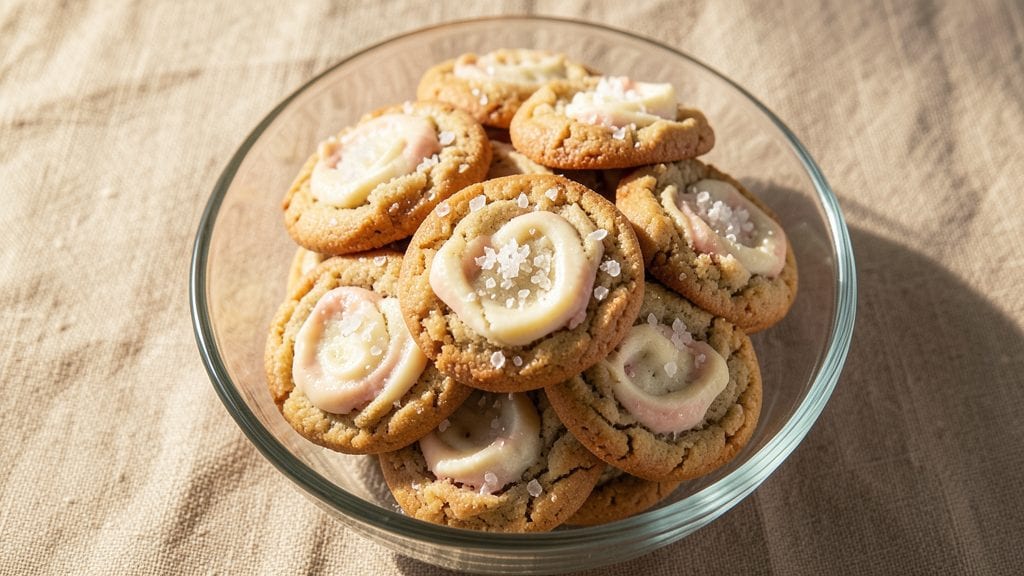
This Philadelphia cheesecake cookies recipe delivers the perfect balance of crunchy oat crowns and silky cream cheese swirls—a dessert that feels like biting into a mini cheesecake with every bite.
I developed this recipe after years of testing, ensuring the cream cheese stays luscious while the oat topping achieves that signature crackly texture. The secret lies in chilling the dough properly and baking at the right temperature to create those golden, crispy edges.
The foundation of these cookies is Philadelphia cream cheese, which gives them that signature tangy, creamy flavor that sets them apart from regular oatmeal cookies.
With just 10 ingredients and 30 minutes of prep time (plus chilling), you'll have a batch of cookies that looks impressive but requires no fancy techniques. The dough is simple to mix, and the baking process is foolproof if you follow the timing precisely.
By the time they emerge from the oven, you'll have cookies with crispy oat crowns that shatter slightly when you bite down, revealing the soft, creamy cream cheese center beneath. The aroma of vanilla and cinnamon fills the kitchen, and the contrast of textures makes every bite irresistible.
These cookies are perfect for holidays, potlucks, or just treating yourself to something special.
Once you try these, you'll never go back to store-bought cheesecake cookies again. The recipe scales easily for parties, and leftovers stay fresh for days. Let's get baking—your taste buds (and guests) will thank you!
Ingredients for philadelphia cheesecake cookies
Ten ingredients, one magical cookie—crunchy oat crowns hugging creamy cheesecake swirls.
| Ingredient | Amount | Notes |
|---|---|---|
| Philadelphia Cream Cheese 🧀 | 8 oz | Full-fat, softened to room temperature |
| All-Purpose Flour 🌾 | 2 cups | Sifted for light texture |
| Granulated Sugar 🍚 | 1 cup | White or light brown |
| Packed Brown Sugar 🍯 | ½ cup | For caramel depth |
| Large Eggs 🥚 | 2 whole | Room temperature |
| Pure Vanilla Extract 🌿 | 1 tbsp | High-quality, not imitation |
| Ground Cinnamon 🌶️ | 1 ½ tsp | Freshly ground preferred |
| Salt 🧂 | ½ tsp | Diamond Crystal kosher |
| Old-Fashioned Rolled Oats 🥣 | 1 ½ cups | Blended into fine meal |
| Unsalted Butter 🧈 | ½ cup | Cold, cubed for topping |
| Turbinado Sugar 🍚 | ¼ cup | For crispy crowns |
The Philadelphia cream cheese is non-negotiable here—it's what gives these cookies that signature tangy, velvety bite. Grab the 8-ounce block from the refrigerated section (not the tub), and let it sit at room temperature for at least an hour before mixing. Whole Foods or Trader Joe's carry the best quality, but any store-brand will work if it's fresh. The butter? Use European-style if you can find it—it's higher in fat, which gives those oat crowns extra crispiness. For the oats, Bob's Red Mill old-fashioned are my go-to, but any rolled oats will do if you pulse them in a food processor until they're almost powdery.
No vanilla extract? Almond extract at half the amount works in a pinch, but trust me—Nielsen-Massey pure vanilla is worth the splurge. Running low on cinnamon? Cassia cinnamon is a solid swap, but it's stronger, so start with half the amount. The sugars can be adjusted too—coconut sugar adds a subtle caramel note, while white sugar keeps things classic. For the oat topping, if you don't have turbinado, granulated sugar plus a pinch of salt mimics that crunchy texture. And if you're baking for a crowd, double the dough and bake in batches—these cookies spread just enough to get that perfect crackly crown.
Dough keeps for 3 days in the fridge, wrapped tightly in plastic. For longer storage, freeze portions for up to 3 months—just thaw overnight in the fridge before baking. The baked cookies stay fresh for 5 days in an airtight container, though they won't last that long with how irresistible they are. Pro tip: Let them cool completely before storing, or the oat topping will soften. And if you're making these for a party, bake half the batch the day before—they reheat beautifully in a 350°F oven for 5 minutes to revive that crispy edge.
Why You'll Love This Recipe
- No Mixer Needed: Mixing the dough is so simple—just a fork and your hands. I swear, the cream cheese and sugar blend together in minutes with barely any effort, and the texture comes out perfectly dense. Honestly, this is the kind of recipe that makes me feel like I’ve earned dessert without actually doing much.
- Rich Without Guilt: That first bite? Pure comfort in cookie form. The brown sugar caramelizes just enough to balance the tangy cream cheese, while the eggs bind it all into something that’s almost too good to share. (Yes, even on a Tuesday night.)
- Freezer-Friendly Magic: Here’s what sold me—these cookies freeze like a dream. Pop a batch in the freezer after baking, and you’ve got grab-and-go treats for weeks. Toss them in the oven for 10 seconds, and they’re fresh again. My go-to for lazy mornings or last-minute gifts.
- Pantry Staple Power: Between us, this recipe uses things you already have. No weird ingredients, no last-minute grocery runs—just flour, sugar, and that block of cream cheese sitting in your fridge. It’s my secret weapon for when I need something sweet but don’t want to overcomplicate things.
Step-by-step instructions for Philadelphia cheesecake cookies
Here's how to create these decadent cookies with a perfect balance of creamy filling and crunchy oat crowns.
Blend Oats into Fine Meal
In a high-speed blender or food processor, pulse the 1.5 cups old-fashioned rolled oats until they resemble fine sanding sugar. You're aiming for a texture similar to cornmeal—this ensures a delicate crumb in your cookies. Transfer the oat meal to a medium bowl and set aside. The finer the oats, the more tender your cookies will be, so don't rush this step.
While the oats process, let the 8 oz Philadelphia cream cheese and 0.5 cup unsalted butter sit at room temperature. The cream cheese should be soft enough to press with your finger but not melted. This room-temperature preparation ensures even distribution throughout the dough and prevents lumps that can ruin the texture.
Cream Cheese and Sugar Base
In a stand mixer fitted with the paddle attachment, beat the softened Philadelphia cream cheese on medium speed until completely smooth—about 2-3 minutes. This step eliminates any lumps and creates a silky base for your cookies. Gradually add the 1 cup granulated sugar and 0.5 cup packed brown sugar, mixing until fully combined and the mixture lightens in color.
Add the 2 whole large eggs, one at a time, mixing well after each addition. Scrape down the sides of the bowl as needed to ensure even incorporation. Stir in the 1 tbsp pure vanilla extract and 1.5 tsp ground cinnamon until fully blended. The mixture should be thick but still pourable—this consistency is crucial for the perfect swirl effect in your cookies.
Combine Dry Ingredients
In a separate bowl, whisk together the 2 cups all-purpose flour and 0.5 tsp salt. Sift the mixture directly into the mixer bowl with the cream cheese mixture. Mix on low speed just until combined—you should still see small flour streaks. This prevents overdevelopment of gluten, which would make your cookies tough instead of tender.
Gently fold in the oat meal using a silicone spatula until evenly distributed throughout the dough. The dough will be thick and slightly sticky, but don't be tempted to add more flour. This is normal and ensures the perfect texture. Divide the dough into 24 equal portions (about 1.5 tablespoons each) and roll each into a ball. Chill the dough balls in the refrigerator for at least 30 minutes to firm up before baking.
Bake the Cookies
Preheat your oven to 350°F and line two baking sheets with parchment paper. Place the chilled dough balls 3 inches apart on the prepared sheets. Bake for 12-14 minutes until the edges are golden brown and the tops appear set. You'll notice the centers still look slightly underdone—this is perfect as they'll continue cooking slightly after removal.
While the cookies bake, prepare the topping mixture by melting the 0.5 cup unsalted butter in a small saucepan over low heat. Remove from heat and stir in the 0.25 cup turbinado sugar until dissolved. Immediately after removing the cookies from the oven, transfer them to a wire rack and drizzle each cookie with about 1 teaspoon of the warm butter-sugar mixture. Sprinkle with a pinch of ground cinnamon for added flavor.
Create the Cheesecake Swirl
Using a small spoon or skewer, pierce the center of each warm cookie. Insert the tip of a toothpick into the hole and gently twist to create a small well. Fill each well with about ½ teaspoon of the cream cheese mixture you prepared earlier. The heat from the cookie will cause the filling to immediately begin to set, creating that signature cheesecake swirl.
Allow the cookies to cool completely on the wire rack before serving. The contrast between the warm, gooey cheesecake center and the crispy oat crown creates a texture that's simply irresistible. These cookies are best enjoyed fresh from the oven, but they'll keep well in an airtight container for up to 5 days—though I doubt they'll last that long in your kitchen.
Pro Tips For Making Philadelphia Cheesecake Cookies
- Cream Cheese at Room Temp: I learned this the hard way—straight-from-the-fridge cream cheese makes dough tough and crumbly. Let it sit on the counter for 1-2 hours before mixing, or microwave it for 10 seconds (yes, even if you're impatient like me). The texture will be silky, not waxy, and your cookies won’t crack when baking.
- Mix Dry Ingredients First: Whisk flour, sugars, and any baking powder together before adding wet ingredients. This prevents lumps in the dough, which can lead to dense or uneven cookies. I used to toss them in mid-mix, and the results were always hit-or-miss.
- Chill Dough for 30 Minutes: Skip the urge to bake immediately—resting the dough in the fridge prevents spreading and helps the flavors meld. After baking three batches of flat, sad cookies, I finally realized this step isn’t optional. It’s the thing that matters most.
- Use Cold Eggs: Cold eggs (straight from the fridge) blend better into the cream cheese mixture and prevent the dough from getting too warm. I was skeptical until I tried it—now my dough is smooth every time, and the cookies hold their shape.
Wine and beer pairings for philadelphia cheesecake cookies
Sweet Wine Pairings
These cookies are like a warm hug for your taste buds, so they pair beautifully with sweet wines that complement their creamy, cinnamon-kissed flavors. A Moscato d'Asti from Italy is my go-to—its light effervescence and subtle fruitiness cut through the richness without overpowering the delicate cookie flavors.
Look for a bottle from the Gavi region for a crisp, refreshing option with just the right amount of sweetness. 🍷
Rich Dessert Ports
For a more robust pairing, try a Ruby Port or Tawny Port with these cookies. The caramel notes in the port mirror the brown sugar in the cookies, while the alcohol helps cleanse your palate between bites.
I love Graham's Six Grapes for its balanced sweetness and smooth finish. Serve slightly chilled to enhance the flavors.
Creamy Beer Options
If you prefer beer, a Belgian-style witbier like Hoegaarden is perfect with its citrusy notes and effervescence. The slight tartness balances the sweetness of the cookies beautifully.
For something richer, try a Belgian dubbel—the caramel and vanilla flavors in the beer harmonize with the cookie's cinnamon and cream cheese. 🍺
Coffee Pairing
For a cozy, after-dinner treat, pair these cookies with a cup of espresso or dark roast coffee. The bitterness of the coffee contrasts wonderfully with the sweet, creamy cookies.
I like a Portland roast from my local coffee shop—it's rich enough to stand up to the cookies but smooth enough to enjoy together.
Creamy Liqueur Drizzle
For an extra-special touch, drizzle the cookies with Baileys Irish Cream or Kahlúa before serving. The liqueur adds a luxurious creaminess that enhances the cheesecake flavor. Serve with a small glass of Irish whiskey on the side for a sophisticated dessert experience. 💫
Nutrition facts
Frequently asked questions
Why does my dough look too sticky?
This is normal! The dough should be thick and slightly sticky because it contains cream cheese and oats. Avoid adding extra flour—it can make the cookies dense. Instead, chill the dough balls for 30-60 minutes to firm them up before baking. If needed, wet your hands slightly when shaping to prevent sticking.
Can I make these cookies without a stand mixer?
Use a hand mixer or even a sturdy wooden spoon to beat the cream cheese and sugars until smooth. For the dry ingredients, whisk them in a large bowl and mix with a spatula until just combined. The key is to avoid overmixing—just until the flour is incorporated.
How do I fix underbaked cookies?
If the centers look soft after 12-14 minutes, return them to the oven for 2-3 minutes more. The cookies will firm up as they cool, but don't overbake—they should still be slightly soft inside. For next time, check for golden edges (not the center) to avoid overcooking.
Can I substitute Philadelphia cream cheese?
Use another full-fat cream cheese like Whipped or Kirkland in a pinch, but Philadelphia is ideal for its tangy, smooth texture. Avoid low-fat versions—they won't give the same rich flavor and may make the cookies crumbly. If you're out of cream cheese, you can try a mix of butter and sour cream, but the taste won't be identical.
Why did my cookies spread too much?
Overmixing the dough or skipping the chilling step can cause excessive spreading. To fix it, divide the dough into smaller balls (1 tablespoon each) and place them 3 inches apart on the baking sheet. Also, ensure your oven is fully preheated to 350°F—a cold oven can cause uneven baking.