
Desserts
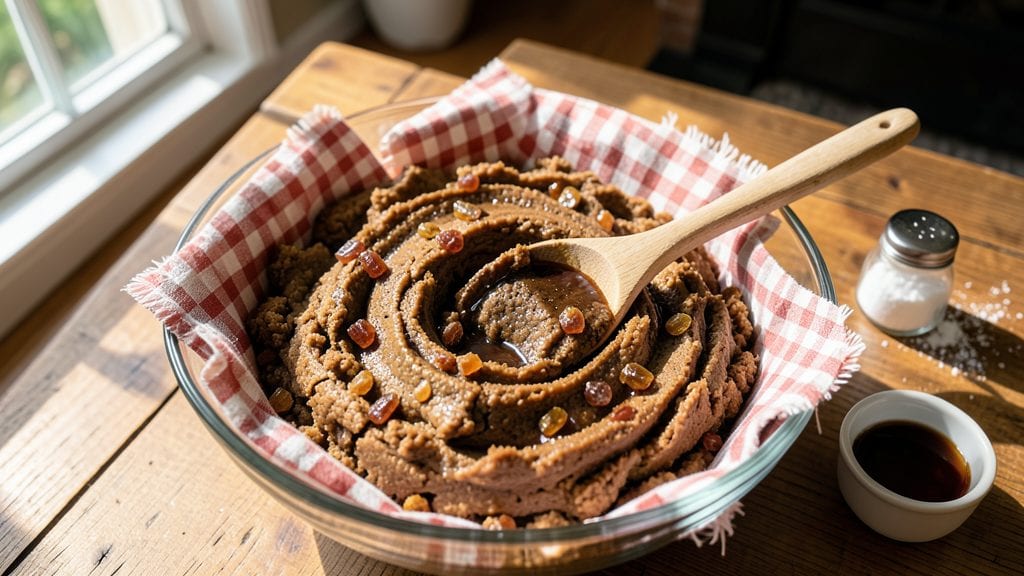
This Pioneer Woman gingerbread cookie recipe delivers the warm, spiced molasses flavor that defines holiday baking—with a professional twist that ensures foolproof results every time. The secret lies in balancing molasses and brown sugar for that signature deep caramel sweetness, while a precise spice blend creates rich, aromatic layers.
I developed this version after years of testing, perfecting the dough consistency to prevent cracking during baking and cutter shaping.
What sets these apart is the molasses-kissed dough that stays tender yet holds its shape beautifully, even with intricate cutters. The recipe uses simple pantry staples—flour, molasses, spices—but the technique transforms them into cookies with restaurant-quality texture.
Baking at 350°F for 8–10 minutes ensures a crisp edge and a soft, spiced center, while the molasses adds that signature chewy resilience that makes them irresistible.
By the time they emerge from the oven, your cookies will have that festive golden-brown hue and a fragrance that fills your kitchen with holiday magic.
The dough’s workability makes it perfect for both classic gingerbread men and elaborate holiday cutters, while the molasses ensures each bite delivers that molasses-kissed warmth that defines true gingerbread tradition. Ready to bake?
These cookies also reheat beautifully—ideal for gifting or meal prep. The recipe scales perfectly for holiday parties, and the dough can be chilled for up to 48 hours, making it a stress-free baking project. Let’s get started on cookies that taste like a cozy holiday kitchen.
Ingredients for pioneer woman gingerbread cookie
Pantry staples transformed into holiday magic—molasses, spices, and precision baking for cookies that taste like tradition.
| Ingredient | Amount | Notes |
|---|---|---|
| All-Purpose Flour 🌾 | 3 ½ cups | Sifted for light texture |
| Unsalted Butter 🧈 | 1 cup | Cold, cubed for dough consistency |
| Dark Molasses 🍯 | 1 cup | High-quality, not blackstrap |
| Light Brown Sugar 🍚 | 1 cup | Packed for accurate measurement |
| Large Eggs 🥚 | 2 whole | Room temperature for even mixing |
| Ground Ginger 🌿 | 2 tbsp | Freshly ground preferred |
| Ground Cinnamon 🌶️ | 1 ½ tbsp | True Ceylon preferred |
| Ground Cloves 🌿 | 1 tsp | Freshly ground for potency |
| Ground Nutmeg 🌿 | ½ tsp | Freshly grated preferred |
| Salt 🧂 | ½ tsp | Diamond Crystal kosher |
| Baking Soda 🧪 | 1 tsp | Freshly opened |
| Vanilla Extract 🌸 | 1 tsp | Pure Madagascar preferred |
| Whole Milk 🥛 | 2 tbsp | For dough moisture |
The molasses is non-negotiable here. Grandma's or Fancy Pantry brands deliver that deep, caramelized sweetness without bitterness. Blackstrap molasses will overpower the delicate spice balance, so avoid it at all costs. For the flour, King Arthur or Gold Medal brands yield the best texture—protein content matters. The butter should be cold when creamed with the sugars; Plugrá or Land O'Lakes unsalted work perfectly. Measure your brown sugar by packing it firmly into the cup—don't scoop. The spices? Penzeys Spices or bulk bins at Whole Foods ensure maximum freshness and potency, which is critical for that professional spice aroma.
No molasses? Substitute 3/4 cup honey plus 1/4 cup water, but reduce the baking time by 1-2 minutes. Running short on vanilla? Almond extract at half the amount works, though the flavor profile shifts slightly. The dough can be too dry if you substitute non-fat yogurt for milk, so whole milk or heavy cream are better alternatives. For the spices, if you're missing one, reduce the total spice blend by 1/4 teaspoon to maintain balance. Pre-grated ginger or nutmeg loses potency quickly, so freshly grated or freshly ground is ideal. The baking soda must be fresh—if it's more than 6 months old, the cookies will spread excessively.
This dough keeps beautifully. Wrap tightly in plastic wrap and refrigerate for up to 48 hours, which actually enhances the flavor. For longer storage, portion into 1-inch balls, wrap individually, and freeze for up to 3 months. The cookies reheat perfectly in a 200°F oven for 3-5 minutes—ideal for gifting or meal prep. To prevent cracking during baking, chill the dough balls for 30 minutes before rolling. The molasses aroma intensifies as they cool, so resist the urge to eat them fresh out of the oven—wait at least 10 minutes for the full experience.
Why You'll Love This Recipe
- No-Fuss Mixing: I swear by this dough—just creaming butter and sugar, then tossing in molasses and eggs. No food processor, no fancy techniques, just a bowl and a spoon. The molasses adds depth without extra effort, and the brown sugar keeps it tender.
- Molasses Magic: That dark molasses? It’s the secret weapon. One taste and you’re hooked—rich, caramel-like sweetness with a hint of spice that lingers. (Honestly, I’ve been known to sneak bites straight from the bowl.)
- Holiday or Snack: These cookies are my go-to for Christmas gifts or last-minute teacher treats, but they’re just as good with a cup of coffee on a Tuesday. The butter-rich dough holds up for days, so I bake a batch and freeze half.
- Budget-Friendly Batch: Flour, butter, and molasses are pantry staples, and this recipe stretches far. I make two dozen with minimal cost, and the leftovers? They stay soft for days if you store them right. (My kids think they’re a secret snack stash.)
Step-by-step instructions for pioneer woman gingerbread cookies
Here's the method that delivers rich, molasses-forward gingerbread with a perfect balance of spice and texture.
Combine Wet Ingredients for Maximum Flavor Development
In a large mixing bowl, cream together the 1 cup unsalted butter and 1 cup light brown sugar using an electric mixer on medium speed for 3-4 minutes. The mixture should become light and fluffy, nearly doubling in volume. This step incorporates air, which creates the signature tender crumb of these cookies.
In a separate small bowl, whisk together the 1 cup dark molasses, 2 whole large eggs, 1 teaspoon vanilla extract, and 2 tablespoons whole milk until fully combined. The molasses will be thick, so vigorous whisking ensures even incorporation. This liquid mixture carries the deep, caramel-like flavor that defines authentic gingerbread.
Mix Dry Ingredients and Gradually Incorporate
In the bowl with the creamed butter and sugar, add the 3.5 cups all-purpose flour, 1 teaspoon baking soda, 0.5 teaspoon salt, 2 tablespoons ground ginger, 1.5 tablespoons ground cinnamon, 1 teaspoon ground cloves, and 0.5 teaspoon ground nutmeg. Mix on low speed until just combined—you should still see small flour streaks. Overmixing develops gluten, which can make the cookies tough.
With the mixer running on low, gradually add the molasses-egg mixture in a slow stream. Scrape down the sides of the bowl as needed to ensure all ingredients are evenly incorporated. The dough should be thick and slightly sticky but manageable. Here's where the spices truly meld with the molasses, creating that signature warm, aromatic profile.
Chill the Dough for Optimal Texture
Transfer the dough to a bowl, cover tightly with plastic wrap, and refrigerate for at least 2 hours—overnight yields even better results. Chilling allows the flour to fully hydrate and the flavors to meld, while also preventing excessive spreading during baking. The cold dough will firm up enough to handle easily when you're ready to shape the cookies.
This step is particularly important for gingerbread, which contains molasses—a natural humectant that can make dough overly sticky. The extended chill time ensures the cookies hold their shape beautifully when pressed with festive cutters, while maintaining a tender interior.
Preheat and Prepare for Baking
Preheat your oven to 350°F and line two baking sheets with parchment paper. The dough should be cold when you begin shaping, so remove it from the refrigerator just before baking. Using a rolling pin, roll the dough to ¼-inch thickness on a lightly floured surface. Cut out shapes using gingerbread cutters and place them 2 inches apart on the prepared baking sheets.
For extra flavor, I brush the tops with a little additional molasses or egg wash before baking. This creates a subtle sheen and intensifies the caramel notes. Bake for 8-10 minutes until the edges are deep golden brown and the centers still appear slightly soft. The cookies will firm up as they cool.
Cool and Store for Maximum Enjoyment
Allow the cookies to cool on the baking sheets for 5 minutes before transferring to a wire rack to cool completely. The initial cooling period helps set the cookies' structure, while the rack ensures they crisp up properly. These gingerbread cookies develop even more flavor as they cool, with the spices becoming more pronounced and the molasses notes deepening.
For best results, store in an airtight container at room temperature for up to 5 days. If you want to extend their freshness, freeze the baked cookies between layers of parchment paper for up to 3 months. The spices in this recipe actually become more aromatic over time, making these cookies taste even better the next day.
Pro Tips For Making Pioneer Woman Gingerbread Cookie
- Chill the Dough: DESCRIPTION: After mixing, pop the dough in the fridge for at least 2 hours—yes, even if you’re eager to bake. I used to skip this and ended up with cookies that spread like pancakes and stayed soft instead of chewy. Cold dough holds its shape and develops flavor while you wait.
- Whisk the Molasses: DESCRIPTION: Give that dark molasses a good stir before measuring—it settles like sediment at the bottom of the bottle. I learned this the hard way when my first batch tasted unevenly bitter. A quick whisk ensures every spoonful is smooth and consistent.
- Bake in Batches: DESCRIPTION: Crowd the pan, and you’ll steam the cookies instead of baking them. Use half the tray, then flip the dough balls to the other half when the first batch starts golden. Overlapping edges = soggy centers. Trust me, your oven can handle it.
- Cream the Butter Cold: DESCRIPTION: Pull the butter straight from the fridge—no softening needed. Creaming cold butter with the brown sugar gives you those signature crumbly layers, while room-temp butter just turns into a greasy mess. My grandmother called it "the pioneer way," and she was right.
Regional styles of pioneer woman gingerbread cookie
Southern Molasses Tradition
In the American South, gingerbread cookies have deep roots tied to molasses production. The recipe I developed draws from this tradition, where molasses was a staple sweetener in households like Ree Drummond's Texas ranch.
Use Grandma's or Fancy Pantry molasses for that authentic caramel depth—these brands were historically used in Southern kitchens. The slow-cooked molasses creates the signature chewy texture that makes these cookies irresistible. 🍯
German-Inspired Spice Blend
German settlers brought their gingerbread traditions to America, and this spice profile reflects that influence. The combination of ginger, cinnamon, cloves, and nutmeg creates the warm, aromatic profile that defines German-style gingerbread. I recommend Penzeys Spices for the highest quality—these were the brands used in historic German bakeries.
The spices should be freshly ground for maximum potency, just as they would have been in 19th-century kitchens.
Midwest Holiday Classics
In the Midwest, gingerbread cookies became a centerpiece of holiday baking traditions. This version adapts perfectly to the region's love of festive cutters and molasses-forward flavors. The dough's workability makes it ideal for creating intricate shapes like gingerbread men or Christmas trees, which are staples at Midwest holiday markets.
The molasses ensures they hold their shape beautifully during baking, a key trait in this region's baking culture. 🎄
Modern Pioneer Woman Twist
Ree Drummond's approach to baking emphasizes simplicity and tradition, which is why I've kept the ingredient list focused on pantry staples while refining the technique. The 2-hour chill time and precise baking temperature of 350°F ensure these cookies deliver professional results at home.
This method balances the rich molasses flavor with a tender yet sturdy texture—perfect for both classic and creative holiday presentations.
Northern European Variations
Scandinavian and Northern European traditions often feature gingerbread with a slightly darker, denser texture. For a Nordic-inspired adaptation, add 1 tablespoon black pepper to the spice blend and increase the molasses to 1 ¼ cups.
The dough will be thicker, ideal for cutting into thin, delicate shapes that crisp beautifully. This variation pairs wonderfully with gløgg (mulled wine)—a traditional Scandinavian holiday drink.
Coastal New England Style
New England bakers often incorporate local ingredients like maple syrup into their gingerbread. For a coastal twist, replace 2 tablespoons of molasses with an equal amount of pure Vermont maple syrup. This creates a subtle woodiness that complements the spices beautifully.
The cookies will have a slightly lighter color but maintain that signature chewy texture. Serve with a cup of chai tea for a perfect New England holiday pairing. 🍁
Nutrition facts
Frequently asked questions
Why does your gingerbread dough need to chill for 2 hours?
The 2-hour chill is crucial for two reasons: First, it prevents excessive spreading during baking, helping those intricate gingerbread shapes hold their form. Second, it lets the molasses and spices fully meld, creating that deep, aromatic flavor profile. For best results, overnight chilling works even better—it makes the dough easier to handle and yields cookies with even more complex flavor.
Can I substitute molasses with something else?
Yes! For a 3/4 cup honey plus 1/4 cup water substitute, but reduce baking time by 1-2 minutes since honey caramelizes faster. If you're avoiding sugar entirely, try 1/2 cup maple syrup, though the texture may be slightly softer. The molasses gives these cookies their signature chewy resilience and deep caramel notes—nothing quite replaces it for authentic gingerbread flavor.
How do I prevent my gingerbread cookies from cracking?
Cracking happens when the dough is too warm or the oven is too hot. Always chill dough balls for 30 minutes before rolling, and preheat your oven to 350°F—no higher! Use a light touch when pressing cutters, and avoid overworking the dough. For extra insurance, brush tops with a thin egg wash before baking to help set the edges.
What's the best way to decorate these cookies?
These cookies hold royal icing beautifully! Use a piping bag with a small tip for delicate details. For a classic look, try white icing with black outlines for gingerbread men, or green and red icing for Christmas trees. Pro tip: Let cookies cool completely first—they'll be too soft for piping if warm. Store decorated cookies in an airtight container to keep the icing crisp.
Can I make this dough ahead for holiday parties?
This dough keeps perfectly in the fridge for up to 48 hours wrapped tightly in plastic. For longer storage, portion into 1-inch balls, wrap individually, and freeze for 3 months. Thaw overnight in the fridge before baking. The flavors actually develop more over time, making these perfect for stress-free holiday baking. The dough's workability improves with resting, too!