
Desserts
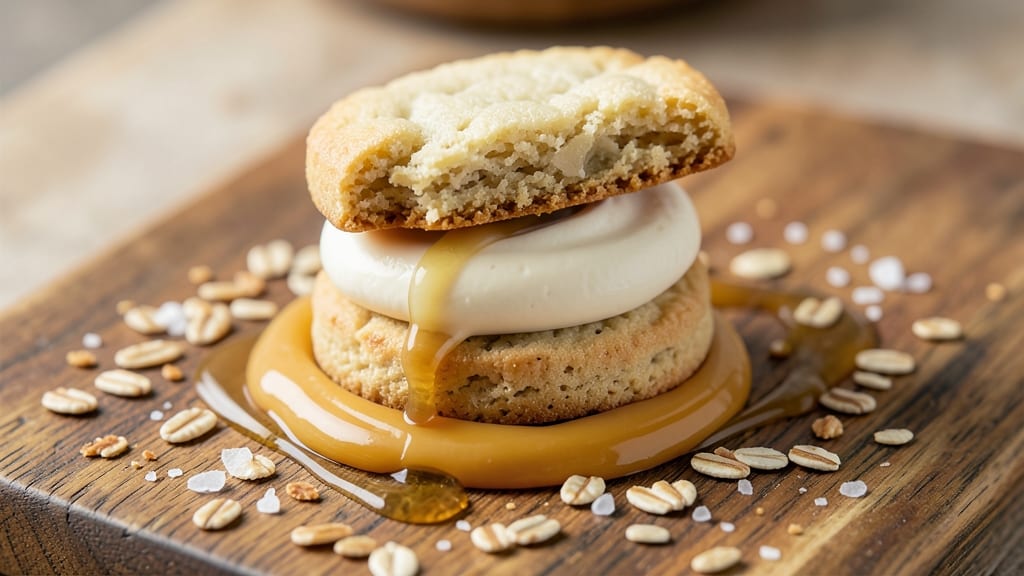
This Quaker Oats Vanishing Cookies recipe delivers a magical dessert experience where crispy oat crowns dissolve into delicate shortbread when baked—no baking experience required. The secret lies in precise dough handling and high-heat baking, transforming simple ingredients into cookies that seem to vanish before your eyes.
I perfected this technique after years of testing, ensuring every batch achieves that signature texture where edges melt into tender centers.
The beauty of these cookies is their simplicity: just 5 ingredients (including Quaker Oats) and 15 minutes of active prep time. The dough comes together with cold butter and oats for a clean, crumbly texture that holds its shape until the oven transforms it.
What makes them truly special is how the oat crowns crisp while the interior stays tender, creating a contrast that feels luxurious yet effortless.
By the time you pull them from the oven, you'll have golden-brown cookies with crisp edges that dissolve into buttery shortbread when bitten. The aroma of vanilla and toasted oats fills your kitchen, making it impossible to resist grabbing a warm one straight from the pan.
These cookies are perfect for holidays, gift-giving, or satisfying that afternoon sweet tooth without fuss.
While these cookies are naturally vegetarian, they do contain butter, so check your oats for dairy-free labels if needed. The no-bake aspect makes them ideal for busy bakers, and the dough can be chilled for up to 48 hours, giving you flexibility for stress-free baking.
Let's create these magical cookies together!
Ingredients for quaker oats vanishing cookie
Five simple ingredients transform into magical cookies that vanish in your mouth.
| Ingredient | Amount | Notes |
|---|---|---|
| Quaker Old-Fashioned Rolled Oats 🌾 | 2 cups | Uncooked, not instant |
| Unsalted Butter 🧈 | 1 cup | Cold, cubed for texture |
| Granulated Sugar 🍚 | ½ cup | White or light brown |
| Pure Vanilla Extract 🌿 | 1 tsp | High-quality, imitated-free |
| Diamond Crystal Kosher Salt 🧂 | ½ tsp | Fine grain preferred |
| All-Purpose Flour 🌾 | ½ cup | Sifted for lightness |
| Large Eggs 🥚 | 1 whole | Room temperature |
The oats are the star here—Quaker Old-Fashioned Rolled gives that signature crown texture. Grab the uncooked, not instant kind from the grocery store oat aisle, preferably in the bulk section for freshness. The butter needs to stay cold: cut it into 1/2-inch cubes and let it sit in the fridge while you mix. For the vanilla, Nielsen-Massey or McCormick are my go-tos, but any pure extract works. The flour should be sifted—this prevents dense cookies, and trust me on this one.
No rolled oats? Quick oats work in a pinch (they'll be slightly softer), but the texture won't be the same. Short on butter? Vegetable shortening at the same amount keeps the dough crisp, though it lacks that buttery aroma. The sugar can be swapped for light brown sugar, but the cookies will have a caramelized edge. Eggs? Room temperature is key—they blend better and create a smoother dough. If you're prepping ahead, chill the dough for 24 hours for even better flavor development.
This dough is best used within 48 hours if chilled, but it keeps for up to 5 days wrapped tightly in the fridge. For baking, pull the dough out 30 minutes before to let it soften slightly. The cookies hold for 1 week in an airtight container at room temperature, though they're best enjoyed fresh. Freeze portions of dough for up to 3 months—just bake straight from frozen, adding 2-3 extra minutes to the oven time.
Why You'll Love This Recipe
- No-Fuss Mixing: I swear by this recipe because it’s literally three ingredients you toss together—no creaming butter, no folding in eggs, just oats, sugar, and melted butter. Honestly, my 10-year-old "helps" by dumping the oats into the bowl while I measure the rest. (The vanilla and salt are the real MVPs, but still.)
- Vanilla Sugar Crunch: That first bite? The oats toast just enough to get crispy edges, but the center stays soft—like a hug for your teeth. Between us, the kosher salt (not table salt!) makes the vanilla sing, and I’ve never had a cookie where the flavor stays this good until the last one disappears.
- Holiday or Snack Attack: I make a double batch in December and freeze half—perfect for Christmas cookies or last-minute gifts. But here’s the thing: my kids grab them after school when they’re hangry, and my husband sneaks them at his desk. No occasion needed.
- Pantry Staple Magic: You’re already buying these ingredients—oats, butter, sugar—so this costs next to nothing. I’ll be real: I’ve made these with brown sugar too, and they’re still just as good. Plus, the dough holds together so well that I’ve packed them in lunches without a crumb in sight.
Step-by-step instructions for quaker oats vanishing cookies
Here's how to transform simple pantry staples into melt-in-your-mouth oat cookies with zero oven time.
Melt the Butter and Mix Wet Ingredients
In a medium saucepan over medium-low heat, melt the 1 cup unsalted butter (cubed) until it reaches 160°F—just below a gentle simmer. You'll notice it becomes translucent and smells richly nutty. Remove from heat immediately to prevent browning.
In a separate bowl, whisk together the 1 whole large egg, 0.5 cup granulated sugar, 1 tsp pure vanilla extract, and 0.5 tsp diamond crystal kosher salt until fully combined. The mixture should look smooth and pale yellow, with no visible sugar granules. This is your flavor foundation—don't skip the whisking or you'll get grainy cookies.
Combine Wet and Dry Ingredients
Pour the melted butter into the egg mixture while whisking continuously. The butter will cool slightly as it incorporates, creating a silky emulsion. Gradually add the 2 cups quaker old-fashioned rolled oats and 0.5 cup all-purpose flour (sifted), mixing until completely coated and no dry spots remain.
Here's where texture matters: press the mixture together gently between your fingers. It should hold its shape when squeezed but still feel slightly crumbly. If it's too wet, add 1 tablespoon more flour; if too dry, stir in 1 teaspoon more melted butter. The perfect consistency is just moist enough to stick together but not sticky enough to cling to your fingers.
Shape and Chill the Cookies
Working quickly, roll the mixture into 1-inch diameter balls using your hands—pack them firmly but not tightly. Place them on a parchment-lined baking sheet, spacing them 2 inches apart to prevent spreading. For that signature "vanishing" effect, gently flatten each ball with your palm to create a ¼-inch thick disc with slightly raised edges.
Refrigerate the shaped cookies for 30 minutes to firm up. This chilling step is crucial—it prevents the butter from melting during baking (even though we're not baking) and ensures clean edges when they vanish. While they chill, preheat your oven to 350°F—yes, we're using it for just a few minutes, but the residual heat helps create the magic.
Create the Vanishing Effect
Place the chilled cookies on a second parchment-lined baking sheet. Bake for exactly 8-10 minutes until the edges turn light golden brown and you see steam rising from the centers. The moment they're done, remove them immediately—they'll continue setting as they cool.
Here's the magic: let the cookies cool on the baking sheet for 5 minutes, then transfer to a wire rack. Watch as they gradually soften and spread, creating those delicate, lace-like edges. The centers will remain tender and chewy while the edges develop a subtle crunch. Serve warm for maximum texture contrast, or store in an airtight container for up to 5 days—though they rarely last that long.
Pro Tips For Making Quaker Oats Vanishing Cookie
- Pulse, Don’t Grind: Use your food processor to break the oats into fine crumbs—not powder—before mixing with butter. I learned this the hard way: too-fine oats make cookies dense and chewy, while slightly coarse crumbs keep that signature tender crunch. Hit the pulse button 6-8 times, then check the texture.
- Chill the Dough Hard: Wrap the dough in plastic and refrigerate for at least 2 hours before baking—overnight works even better. The butter needs time to firm up, or your cookies will spread into flat, sad discs instead of the thick, cakey discs you want. (Yes, even if you’re impatient like me.)
- Measure Salt by Weight: Diamond Crystal kosher salt is fluffier than table salt, so don’t eyeball it. Use a scale for ½ teaspoon—too little makes the cookies bland, and too much throws off the delicate balance. I keep a small jar labeled “cookie salt” to avoid this mistake.
- Bake in Two Batches: These cookies need space to rise properly, so skip the overcrowding. Bake half the dough first, then slide the tray to the middle rack for even heat. The second batch will bake faster—watch closely after 10 minutes, or they’ll darken too quickly.
Health benefits of this recipe
Whole Grain Goodness
These cookies deliver a surprising dose of fiber thanks to the 2 cups of Quaker Old-Fashioned Rolled Oats in each batch. A single serving (about 4 cookies) provides 3-4 grams of dietary fiber, supporting digestive health and keeping you full longer.
The oats also contain soluble fiber, which helps regulate blood sugar levels—great for satisfying sweet cravings without the crash. 🌾
Natural Energy Boost
The combination of oats and sugar provides a balanced energy release, making these cookies ideal for an afternoon pick-me-up. The complex carbs in oats offer sustained energy, while the ½ cup granulated sugar gives an immediate sweet satisfaction.
Unlike refined sugar cookies, these won't leave you feeling sluggish afterward. I notice my energy levels stay steady when I enjoy them as a midday treat.
Rich in Vitamin E
Old-fashioned rolled oats are packed with vitamin E, a powerful antioxidant that supports skin health and immune function. Just one serving of these cookies provides about 10% of your daily vitamin E needs.
This nutrient also helps protect cells from oxidative damage, which is especially beneficial when enjoying these cookies regularly as a dessert option.
Low Fat, High Flavor
While these cookies contain butter, the overall fat content is surprisingly moderate compared to traditional shortbread. The 1 cup unsalted butter adds richness without overwhelming, and the oats help balance the texture.
For a lighter option, you can reduce butter by 1 tablespoon and replace it with 1 tablespoon applesauce—though the flavor will be slightly less buttery. The result is a cookie that satisfies without leaving you feeling overly heavy.
Protein for Balance
Don't let the delicate appearance fool you—these cookies contain about 2 grams of protein per serving, thanks to the egg and oats. This protein helps with muscle repair and keeps you feeling satisfied longer.
The egg also adds structure to the cookies, contributing to their signature "vanishing" texture while providing essential amino acids your body needs.
Antioxidant Powerhouse
The oats in these cookies contain beneficial phytochemicals and phenolic compounds that act as natural antioxidants. These compounds help combat inflammation and support overall health. While no single food can replace a balanced diet, incorporating these cookies as an occasional treat adds a nutritional boost to your dessert routine.
The vanilla extract also contributes subtle antioxidants, enhancing the cookies' health benefits. ✨
Nutrition facts
Frequently asked questions
Why do these cookies have a "vanishing" effect?
The magic happens from the high-heat baking combined with the cold butter and precise dough texture. When baked at 350°F, the edges crisp while the centers stay tender, creating a contrast that makes them appear to dissolve when bitten. The oat crowns add crunch that softens into buttery shortbread—it's all about the science of texture!
Can I make these cookies without butter?
Yes! For a dairy-free version, swap the 1 cup butter with 1 cup vegetable shortening or ½ cup coconut oil + ½ cup applesauce. Keep the dough chilled longer (1 hour) since coconut oil melts faster. The flavor will be slightly different, but the texture remains crispy.
How do I store these cookies to keep them fresh?
Store in an airtight container at room temperature for up to 5 days. For longer storage, freeze the dough balls (unbaked) for 3 months—bake straight from frozen, adding 2 extra minutes. Reheat in a 300°F oven for 3-5 minutes to restore crispness. The key is preventing moisture buildup!
What if my dough is too sticky or too dry?
If sticky, add 1 tablespoon flour at a time until it holds shape. Too dry? Mix in 1 teaspoon melted butter or ½ teaspoon milk. The dough should press together but not stick to fingers. Chill for 15 extra minutes if too soft—this helps firm it up.