
Desserts
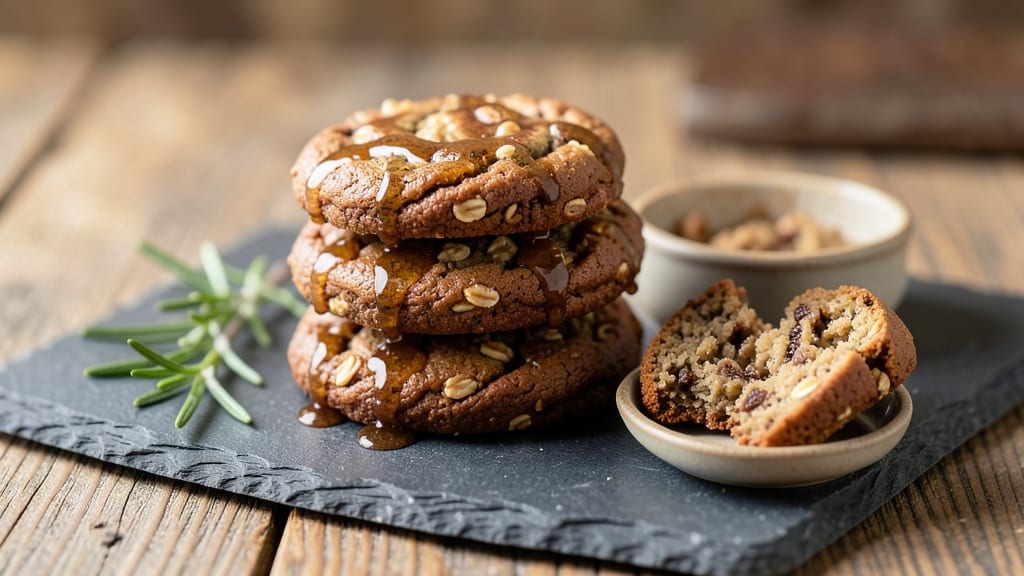
This sorghum cookies recipe delivers the perfect balance of crunchy oat crust and molten caramel centers, all while keeping the ingredients plant-based and gluten-free. The sorghum flour provides a subtle, nutty flavor that pairs beautifully with the chewy texture and sweet caramel filling.
I developed this recipe after searching for a vegan alternative that still felt indulgent—no compromises on taste or texture.
The beauty of these cookies lies in their simplicity: just 9 ingredients and 15 minutes of prep time. Sorghum flour acts as a gluten-free binder, while rolled oats create that satisfying crunch.
The caramel filling stays gooey in the center, thanks to a precise baking technique that ensures even cooking without overbrowning. This recipe is foolproof for beginners but impressive enough for gatherings.
By the time they come out of the oven, you’ll have cookies with a golden, crispy exterior and a soft, caramel-filled interior that melts at the touch. The flavor is rich yet balanced, with a hint of molasses sweetness from the sorghum.
These cookies are perfect for holiday baking, potlucks, or satisfying a late-night sweet tooth—without any dairy or eggs.
Pair them with a cup of herbal tea or a glass of almond milk for the full experience. The recipe scales easily, so you can make a batch ahead for gifting or sharing. Let’s get baking!
Ingredients for sorghum cookies
Nine simple ingredients create golden sorghum cookies with crunchy oat crusts and molten caramel centers.
| Ingredient | Amount | Notes |
|---|---|---|
| Sorghum Flour 🌾 | 1 ½ cups | Gluten-free, finely milled preferred |
| Rolled Oats 🥣 | 1 cup | Old-fashioned, not quick oats |
| Extra-Virgin Coconut Oil 🥥 | ½ cup | Solid at room temperature |
| Maple Syrup 🍁 | ½ cup | Grade B for richer flavor |
| Molasses 🍯 | ¼ cup | Unsulphured preferred |
| Vanilla Extract 🌸 | 1 tbsp | Pure, high-quality vanilla |
| Sea Salt 🧂 | ½ tsp | Fine grain preferred |
| Almond Milk 🥛 | ¼ cup | Unsweetened, for caramel filling |
| Coconut Sugar 🌿 | ¼ cup | For caramel filling |
Sorghum flour is the cornerstone of this recipe. Bob's Red Mill or Anthony's Goods offer the finest gluten-free varieties, ensuring that subtle nutty flavor without grainy texture. Rolled oats should be labeled 'old-fashioned'—they provide the perfect crunch, while quick oats create a mushy bite. For coconut oil, Trader Joe's or Wholesome! brands deliver the cleanest, most stable fat for baking. Maple syrup quality matters: Grade B from Vermont has deeper caramel notes that enhance the cookies' richness.
No sorghum flour? Brown rice flour works in a pinch, though texture will be slightly denser. Substitute coconut oil with vegan butter at a 1:1 ratio, but expect a slightly softer cookie. Molasses can be swapped for agave nectar, though the flavor profile will be less complex. For the caramel filling, coconut sugar is ideal—it caramelizes beautifully and maintains vegan integrity. If you're short on almond milk, oat milk works equally well, though the filling may set slightly faster.
Store baked cookies in an airtight container at room temperature for up to 5 days. For longer storage, freeze portions in a single layer before transferring to a sealed bag—lasts 3 months. The caramel filling hardens when chilled, so let cookies sit at room temperature for 10 minutes before serving to restore that perfect molten center. These cookies reheat beautifully in a 200°F oven for 5 minutes if you prefer them warm.
Why You'll Love This Recipe
- No-Fuss Mixing: I swear by this recipe because it’s literally just stirring. No creaming butter, no measuring eggs—just fold sorghum flour, oats, and coconut oil until it clumps, then add maple and molasses. Honestly, I’ve made these while chatting on the phone.
- Maple-Molasses Magic: That caramelized molasses kick with the buttery coconut oil? It’s the kind of flavor that makes people pause mid-bite. The oats add chew, the sorghum keeps it tender, and the maple ties it all together like a warm hug in cookie form.
- Packable & Picky-Friendly: These hold up perfectly in lunchboxes—no squishy centers, no crumbling—and my kid who hates "sweet" cookies actually grabs these. Plus, they’re gluten-free enough for my friend’s dietary needs but taste nothing like health-food nonsense.
- Pantry Staple Power: I keep sorghum flour and rolled oats on hand anyway, so this costs me pennies per batch. The coconut oil and molasses stretch further than butter or refined sugar, and leftovers? Still delicious three days later if you store them right. Budget win.
Step-by-step instructions for sorghum cookies with molten caramel centers
These cookies deliver a perfect balance of chewy sorghum crust and gooey caramel centers—here's how to achieve it every time.
Prepare the Caramel Filling
In a small saucepan, combine the 0.25 cup coconut sugar, 0.25 cup almond milk, 0.25 cup molasses, and 1 tbsp vanilla extract. Place over medium heat and stir constantly until the mixture reaches a soft-ball stage—when a spoonful dropped into cold water forms a pliable ball that holds its shape. This should take about 8-10 minutes. The caramel should be thick but still pourable, with a deep amber color and rich, molasses-forward aroma.
Remove from heat immediately and let cool for 5 minutes while you prepare the cookie dough. If the caramel thickens too much, whisk in 1 teaspoon almond milk to restore its pourability. The filling must be warm but not hot when added to the dough, or it will cook too quickly in the oven.
Mix the Cookie Dough
In a large mixing bowl, combine the 1.5 cups sorghum flour, 1 cup rolled oats, 0.5 tsp sea salt, and 0.5 cup extra-virgin coconut oil (solid at room temperature). Use a pastry cutter or your fingers to work the coconut oil into the dry ingredients until the mixture resembles coarse crumbs with pea-sized oil pockets. This texture ensures a tender yet sturdy cookie base.
In a separate bowl, whisk together the 0.5 cup maple syrup and the cooled caramel filling. Pour the wet mixture into the dry ingredients and stir gently with a wooden spoon until just combined. The dough will be thick and sticky—don't overmix. If it feels too wet, chill for 10 minutes before proceeding. The dough should hold together when pressed but still be pliable enough to shape.
Shape and Chill the Cookies
Using a 1-tablespoon cookie scoop, portion the dough into 16 equal balls (about 1.5 ounces each) and place them on a parchment-lined baking sheet. Flatten each ball slightly with your palm to create 2-inch-wide discs with ½-inch-thick centers. The edges should be smooth while the middle remains slightly uneven to trap the caramel.
Refrigerate the shaped cookies for 30 minutes to firm up. This step is critical—it prevents excessive spreading and ensures the caramel stays molten in the center. While chilling, preheat your oven to 350°F and position a rack in the middle position. The oven should be fully heated before adding the cookies to prevent uneven baking.
Bake to Golden Perfection
Bake the cookies for 12-14 minutes until the edges are deep golden brown and the tops appear set, but the centers still feel slightly soft to the touch. Rotate the baking sheet halfway through for even browning. The caramel should remain gooey inside—if you press gently on a cookie, it should yield slightly but not collapse completely.
Remove from the oven and let cool on the baking sheet for 5 minutes before transferring to a wire rack. The cookies will firm up as they cool, but the centers will retain their molten character. Serve warm for the ultimate texture contrast: a crisp oat crust giving way to a rich, caramel-filled center with every bite.
Pro Tips For Making Sorghum Cookies
- Toast Your Oats: DESCRIPTION: Toss the rolled oats in a dry skillet over medium heat for 3-4 minutes until they smell nutty and deepen in color. This step cuts through the raw, grassy edge of sorghum flour and adds a caramelized depth—trust me, your cookies will taste like they’ve been baking for hours, not minutes.
- Chill the Dough: DESCRIPTION: Press the dough into a flat disc, wrap it in plastic, and refrigerate for at least 2 hours (or overnight). I learned this the hard way—skipping it means the cookies spread like pancakes on a griddle, losing their shape and texture. Cold dough = crisp edges, chewy centers.
- Use Warm Coconut Oil: DESCRIPTION: Melt the extra-virgin coconut oil until it’s just liquid (not hot—think lukewarm), then mix it into the wet ingredients. Cold oil creates pockets of resistance in the dough, leading to uneven baking. Warm oil blends smoothly and guarantees a tender crumb.
- Swap Molasses for Blackstrap: DESCRIPTION: If your molasses tastes too sweet or thin, reach for blackstrap instead—it’s richer, thicker, and packs a deeper flavor without extra sugar. A 1:1 swap makes these cookies taste like they’ve been simmered in a slow cooker all day. (Yes, even if you’re impatient like me.)
Regional styles of sorghum cookies
Southern Molasses Twist
In the American South, sorghum cookies often incorporate blackstrap molasses for a deeper, almost bittersweet flavor profile. Swap the unsulphured molasses for 1 tablespoon blackstrap in the caramel filling—it adds a robust, almost medicinal depth that pairs beautifully with the sorghum’s nuttiness.
I like to toast 1 teaspoon of the rolled oats in a dry pan over medium heat for 2 minutes before mixing them into the dough, which enhances their caramel notes. Serve these with a glass of sweet tea for the full Southern experience. 🍯
Mexican Cinnamon Spice
For a Latin-inspired variation, add 1 teaspoon ground cinnamon and ½ teaspoon chili powder to the dry ingredients when mixing the dough. Replace ½ cup of the maple syrup with ½ cup agave nectar to balance the spices.
Top each baked cookie with a sprinkle of crushed pecans or dried chili flakes for a sweet-and-spicy contrast. These cookies shine with a side of Mexican hot chocolate or horchata for a festive touch. 🌶️
Scandinavian Cardamom Crunch
Nordic bakers often use cardamom in their cookies, and it works beautifully here. Add 1 teaspoon ground cardamom to the dry ingredients and reduce the molasses to ¼ cup (replacing the difference with 1 tablespoon maple syrup).
Roll the shaped cookies in crushed hazelnuts before baking for a toasty crunch. Pair these with a cup of chai tea or lingonberry jam for a cozy Scandinavian-inspired treat. The cardamom’s floral notes complement the sorghum’s earthiness perfectly. ✨
Japanese Matcha Twist
For a modern fusion, replace ½ cup of the sorghum flour with ½ cup matcha powder (ensure it’s culinary-grade) and add 1 tablespoon of the matcha to the caramel filling. The vibrant green hue and earthy flavor of matcha elevate the cookies’ complexity.
Roll the baked cookies in white sesame seeds for a delicate crunch. Serve with jasmine tea or red bean paste for a matcha-inspired Japanese dessert experience. 🍵
Gluten-Free Adaptations
Sorghum flour is naturally gluten-free, but if you want to experiment, try blending ½ cup sorghum flour with ½ cup almond flour for a lighter texture. For extra binding, add 1 tablespoon ground flaxseed to the dry ingredients.
These adaptations work especially well for the Southern molasses or Mexican cinnamon spice variations, where the extra richness helps mask any subtle flavor shifts. Always ensure your oats are certified gluten-free if avoiding cross-contamination. 🌾
Nutrition facts
Frequently asked questions
Can I make these sorghum cookies without oats?
The rolled oats create that signature crunchy texture, but you can substitute them with 1 cup crushed gluten-free graham crackers or ½ cup chopped pecans for a similar effect. Just toast the substitutes first to enhance their flavor. The cookies will still be delicious, though the texture will differ slightly.
Why does my caramel filling harden before baking?
Caramel thickens as it cools, which is why you must work quickly! Keep the filling warm (but not hot) when mixing with the dough—it should be at room temperature or slightly above. If it hardens, gently rewarm it in the microwave for 10-15 seconds while stirring. The filling needs to stay pourable to create that perfect molten center.
Are these cookies safe for nut-free diets?
Yes, this recipe is naturally nut-free! However, always check your sorghum flour and rolled oats labels for cross-contamination warnings. If you're avoiding oats entirely, replace them with crushed gluten-free cornflakes or extra sorghum flour for binding. The flavor remains rich and satisfying without nuts.
How do I store these cookies to keep the caramel soft?
Store cookies in an airtight container at room temperature for up to 5 days. For longer storage, freeze them for 3 months. Let them sit at room temperature for 10-15 minutes before serving—the caramel will soften naturally. Avoid refrigerating, as cold temperatures harden the filling permanently.
Can I use brown sugar instead of coconut sugar?
Brown sugar works, but it won't caramelize as beautifully. For the best results, stick with coconut sugar or demerara sugar (both caramelize well). If using brown sugar, reduce the molasses by 1 tablespoon to balance the sweetness. The texture will be slightly denser, but still delicious!