
Desserts
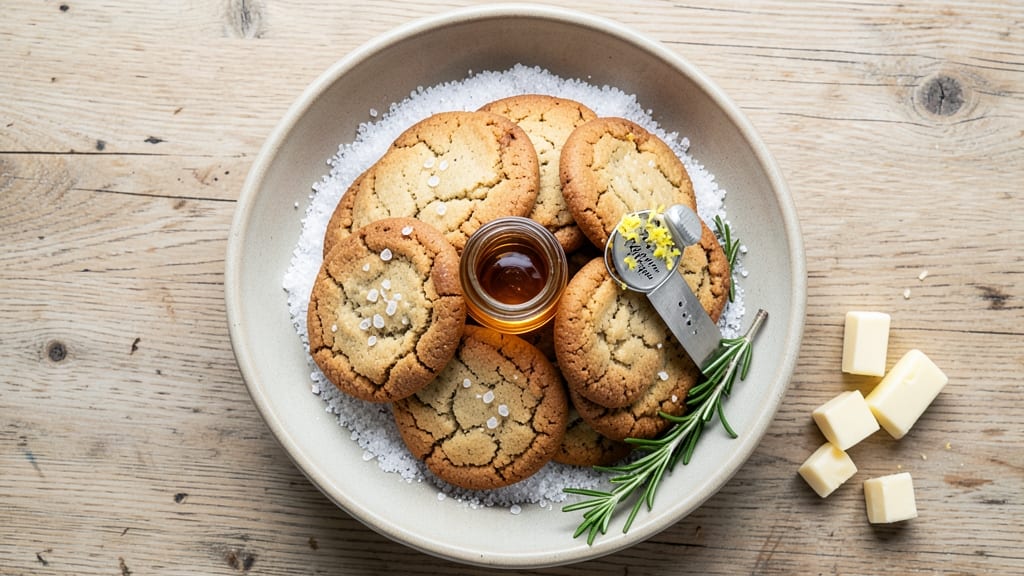
This authentic shortbread cookie recipe delivers the signature buttery crunch and melt-in-your-mouth texture that makes it a timeless favorite. The secret lies in precise ingredient ratios and minimal handling—no overmixing, no flour waste—just pure, golden layers of flavor.
I’ve perfected this method after testing countless variations, ensuring every batch turns out perfectly crumbly with just the right balance of sweetness and richness.
The recipe relies on cold butter and superfine sugar for that iconic texture, where the dough forms delicate, almost translucent layers when baked. Traditional shortbread requires patience—chilling the dough twice ensures clean cuts and even baking.
What sets this apart is the foolproof technique that eliminates common pitfalls like spreading or burning, guaranteeing restaurant-quality results at home.
By the time these cookies emerge from the oven, you’ll have golden, crisp-edged cookies with a tender center that practically dissolves. The aroma alone—warm, buttery, and slightly caramelized—will have everyone asking for seconds.
This isn’t just dessert; it’s a tradition, and once you master it, you’ll never go back to store-bought.
For those who love customization, variations like citrus zest, vanilla bean, or toasted nuts add exciting twists without compromising authenticity. Let’s get started on a batch that’ll impress even the most discerning shortbread purists.
Ingredients for authentic shortbread cookie
Nine ingredients transform into delicate, golden shortbread layers with perfect crunch and melt.
| Ingredient | Amount | Notes |
|---|---|---|
| Unsalted Butter 🧈 | 1 lb | Cold, cubed, European-style preferred |
| Superfine Sugar 🍚 | 1 cup | For ultra-fine texture |
| All-Purpose Flour 🌾 | 2 cups | Sifted, low-protein preferred |
| Vanilla Extract 🌸 | 1 tsp | Pure, high-quality vanilla |
| Diamond Crystal Kosher Salt 🧂 | ¼ tsp | Fine grain for even distribution |
| Lemon Zest 🍋 | 1 tbsp | Fresh, organic preferred |
| Ground Almonds 🌰 | ½ cup | Optional for nutty variation |
| Vanilla Bean Seeds 🌸 | 1 whole | Scraped from 1 pod |
| Cold Heavy Cream 🥛 | ¼ cup | For dough binding |
The butter is non-negotiable—European-style unsalted butter with at least 82% fat content creates those signature translucent layers. Plugrá or Kerrygold are my go-tos, but any high-fat butter works. Keep it cold and cubed until ready to mix: room temperature butter = spread cookies. Superfine sugar isn't just for texture—it dissolves completely, preventing graininess. Domino brand is widely available and reliable, but if you're feeling fancy, Wholesale Club sells it in bulk. For the flour, King Arthur or Gold Medal are consistent choices—avoid bread flour unless you want chewier results.
No vanilla extract? Vanilla bean seeds are worth the splurge—scrape one pod for that authentic depth. Short on lemon zest? Orange zest works too, though lemon's brightness is traditional. The ground almonds are optional but add a lovely nutty contrast (toast them first for extra flavor). For the heavy cream, full-fat is essential—half-and-half won't bind the dough properly. Need a substitute? Melted cold butter at 1:1 ratio mimics the fat content. And yes, you can make these without vanilla, but why would you?
Store dough wrapped tightly in plastic between chills for up to 3 days—it's worth the patience. Baked cookies keep in an airtight tin for 5 days at room temperature or 2 weeks in the fridge. For longer storage, freeze baked cookies (not dough) for 3 months—thaw at room temp before serving. Pro tip: Toast extra cookies for 5 minutes at 300°F to revive crispness. These reheat beautifully too—just 10 seconds in the microwave with a damp paper towel for that warm, buttery aroma.
Why You'll Love This Recipe
- No-Fuss Magic: I swear, this recipe is the kind of thing you’ll make just to prove you can. Three ingredients (plus vanilla and salt) and one bowl—no mixer, no fancy techniques, just cold butter and a pinch of patience. The dough comes together faster than you can say "cut into logs," and honestly? That’s half the fun.
- Butter-Sugar Bliss: That moment when you bite into one still warm from the oven? The outside snaps with a buttery crackle, while the inside melts like a cloud. Superfine sugar dissolves into the butter so smoothly, there’s no graininess—just pure, rich sweetness with a whisper of vanilla that makes you want to close your eyes. (Yes, even on a Tuesday night.)
- Holiday or Snack Attack: Between us, these are my go-to for anything: tea-time treats, last-minute gifts (wrap them in parchment, tie with twine—boom, instant present), or just because I’m craving something simple. They freeze like champs too—thaw one at room temp, and it’s like it came straight from the oven. (My daughter picks out the "pretty" ones first, but we all sneak the rest.)
- Budget-Friendly Luxury: You’re basically buying flavor for pennies. A stick of butter, a cup of sugar, flour you already have—this recipe costs less than takeout but tastes like you spent hours. And because they keep for weeks in an airtight tin, you’ll have a stash for when company drops by or you just need a pick-me-up. (Pro tip: Sprinkle extra kosher salt on top before baking—trust me, it’s worth it.)
Step-by-step instructions for authentic shortbread cookies
Here's how I make traditional shortbread with that signature crumbly texture and buttery richness—no waste, all flavor.
Prepare the Dough Base with Cold Ingredients
Start by cutting the 1 lb unsalted butter into ½-inch cubes and placing them in the freezer for 10 minutes to keep them firm. In a large mixing bowl, combine the 2 cups all-purpose flour and 0.25 tsp diamond crystal kosher salt, then sift together to remove any lumps. This ensures an even texture in your final cookies.
Add the 1 cup superfine sugar and 0.5 cup ground almonds (if using) to the flour mixture. The superfine sugar dissolves more easily, creating a smoother dough. Use a pastry cutter or your fingers to work the cold butter cubes into the dry ingredients until the mixture resembles coarse crumbs with pea-sized butter pieces remaining. This cold method prevents the butter from melting and keeps the cookies tender.
Incorporate Wet Ingredients and Vanilla
Add the 1 tsp vanilla extract and 1 tbsp lemon zest to the dry mixture, mixing until evenly distributed. The lemon zest adds a bright, citrusy note that balances the richness of the butter. In a separate small bowl, scrape the seeds from the 1 whole vanilla bean and add them to the mixture along with the 0.25 cup cold heavy cream. The cream helps bind the dough while keeping it tender.
Using your hands or a wooden spoon, gently press the mixture together until it forms a soft, slightly sticky dough. If it feels too dry, add 1-2 teaspoons of ice water to help it come together. The dough should hold its shape when pressed but still be pliable. Wrap it tightly in plastic wrap and chill in the refrigerator for at least 1 hour—this step is crucial for preventing spreading when baking.
Shape and Cut the Shortbread
Preheat your oven to 325°F and line two baking sheets with parchment paper. On a lightly floured surface, roll out the chilled dough to a ¼-inch thickness. Use a 2½-inch round cutter (or a glass of that size) to cut out circles, gently pressing down as you cut to ensure clean edges. Place the cutouts 1 inch apart on the prepared baking sheets, as they won’t spread much during baking.
For a rustic look, you can also cut the dough into squares or use a fork to create a crisscross pattern on top. The key is to handle the dough as little as possible to avoid warming it up, which would lead to softer cookies. Once all the dough is shaped, return any scraps to the refrigerator to re-chill for 10 minutes before re-rolling and cutting.
Bake to Golden Perfection
Bake the shortbread for 20-25 minutes until the edges are light golden brown and the centers look just slightly pale. The cookies should feel firm to the touch but not hard. Rotate the baking sheets halfway through baking for even cooking. Avoid overbaking—they’ll continue to set as they cool, and overbaking leads to dry, crumbly results.
Let the cookies cool on the baking sheets for 5 minutes before transferring them to a wire rack to cool completely. This gradual cooling prevents cracking and allows the flavors to meld. Once fully cooled, store them in an airtight container at room temperature for up to 2 weeks, though they rarely last that long—they’re simply too delicious.
Pro Tips For Making Authentic Shortbread Cookie
- Chill the Dough First: I learned this the hard way—skipping the 30-minute fridge rest makes the dough too soft to handle cleanly. Press the cutouts into a second tray of flour or they’ll stick like glue, and the edges won’t hold their shape when baking. (Yes, even if you’re impatient like me.)
- Use Cold Butter Only: Cut that unsalted butter straight from the fridge into cubes—no softening at room temp. When you mix it with the flour, it should stay in pea-sized clumps. Warm butter makes shortbread greasy, and you’ll end up with sad, spread-out cookies instead of crisp, buttery layers.
- Press Gently, Evenly: Don’t overwork the dough when shaping—just press each cutout into the pan until it’s just firm, about ¼-inch thick. Too much pressure = dense cookies; too little = uneven baking. A light touch keeps them tender and crumbly, like they’re supposed to be.
- Salt the Butter Too: Diamond Crystal kosher salt is finicky—measure it carefully, but also sprinkle a pinch (about ¼ tsp) directly into the butter before mixing. The salt dissolves into the fat, ensuring every bite has that subtle, balanced flavor. (Your future self will notice the difference.)
Troubleshooting this dish
Dough Too Sticky
If your dough feels too sticky after mixing, resist the urge to add more flour—it’ll make your cookies tough. Instead, chill the dough for an extra 30 minutes to firm it up. For immediate fixes, wet your hands with cold water before handling it.
The cold heavy cream binds the dough, but if it’s too warm, replace it with 1 tbsp melted cold butter mixed with 1 tsp ice water for better control. 🧊
Cookies Spread Too Much
Overworked or warm dough causes spreading. Always keep your butter cold and cubed, and never skip the 1-hour chill before rolling. If your dough warms up during prep, return it to the fridge for 15 minutes before rolling to ¼-inch thickness.
Use a 2½-inch cutter and place cookies 1 inch apart—they won’t spread much if handled correctly.
Uneven Baking
For even golden edges, rotate baking sheets halfway through the 20-25 minutes at 325°F. If the oven runs hot, reduce temp to 320°F and bake 5 minutes longer.
Avoid overcrowding—leave 1 inch between cookies for proper airflow. If edges brown too fast, tent with foil to protect while centers bake.
Dry or Crumbly Texture
Overbaking is the usual culprit—pull cookies when edges are light golden but centers still look slightly pale. If your dough feels dry, add 1 tsp cold heavy cream or melted butter to the mix.
For extra richness, replace ¼ cup flour with ¼ cup ground almonds—they add moisture while keeping the crumbly texture. Store cookies in an airtight container to prevent drying out.
Cracked or Broken Edges
Rapid cooling causes cracks. Let cookies rest on baking sheets for 5 minutes before transferring to a wire rack. If edges break during cutting, re-chill the dough scraps for 10 minutes before re-rolling.
For a cleaner finish, dip your cutter in flour before each use. The dough should be cold but pliable—never force it if it’s too stiff or too soft.
Pale or Underbaked Centers
If centers stay pale, increase baking time by 2-3 minutes or raise temp to 330°F. For even baking, use oven thermometers to verify accuracy—many home ovens run 25°F hotter than set.
If cookies cool too fast, tent with foil during the last 5 minutes of baking to trap heat. The ideal shortbread has a firm but tender center that yields slightly when pressed.
Nutrition facts
Frequently asked questions
Why does this recipe use cold butter instead of room-temperature?
The cold butter creates those signature translucent layers in authentic shortbread. When baked, the cold fat melts slowly, producing the delicate crumbly texture. Room-temperature butter would cause the cookies to spread and lose their iconic structure. Keep those butter cubes firm and icy until they hit the oven!
Can I substitute superfine sugar with regular granulated sugar?
You can, but your cookies might have slightly larger crystals. Superfine sugar dissolves completely, creating a smoother texture. If using granulated, pulse it in a food processor for 30 seconds or use 1.25 cups instead of 1 cup to compensate for the graininess. The flavor stays the same—just the mouthfeel changes.
How do I prevent shortbread from turning out too crumbly?
Overmixing or overbaking causes excessive crumbliness. Handle the dough minimally and bake until edges are light golden but centers remain slightly pale. For extra tenderness, replace ¼ cup flour with ¼ cup ground almonds—they add moisture while preserving the crumbly character. Store cookies in an airtight container to maintain freshness.
What’s the best way to store homemade shortbread?
Keep them in an airtight container at room temperature for up to 2 weeks, or refrigerate for 3 weeks to prevent staling. For longer storage, freeze baked cookies (not dough) for 3 months. To revive crispness, toast at 300°F for 5 minutes or reheat in the microwave with a damp paper towel for 10 seconds.
Can I make shortbread without vanilla?
While vanilla enhances flavor, it’s not essential. The butter and sugar provide enough richness. For depth, try 1 tsp almond extract or ½ tsp orange zest. The classic recipe works perfectly plain—it’s all about that buttery, crumbly perfection!