
Desserts
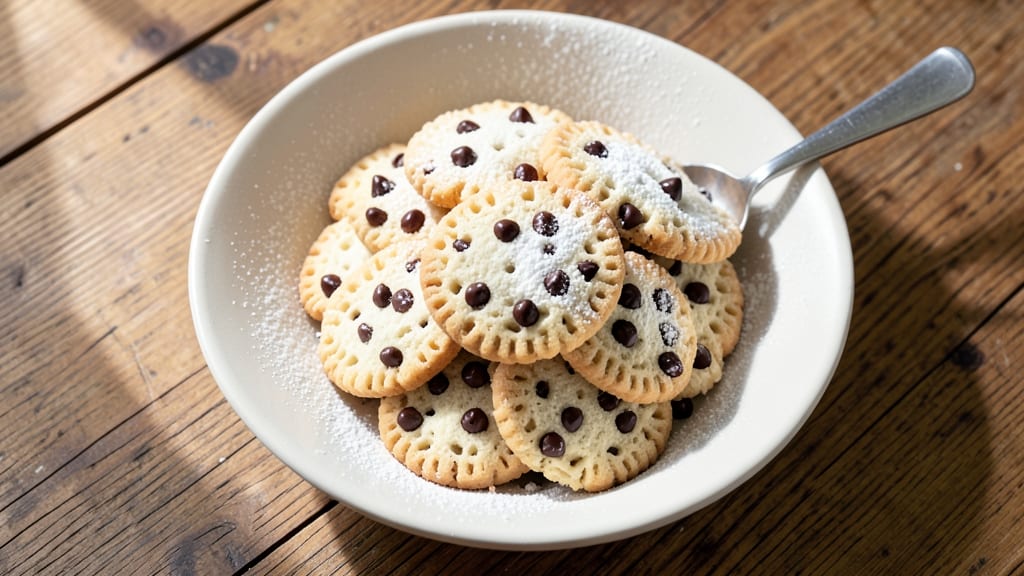
This basic shortbread cookie recipe delivers the perfect balance of buttery richness and delicate crunch that stays fresh for weeks—ideal for both casual baking and gifting. The secret lies in the precise ratio of butter to flour, creating a tender yet sturdy cookie that resists cracking.
I’ve perfected this method over years of holiday baking, ensuring every batch turns out consistently golden and flavorful.
What makes these shortbread cookies stand out is their simplicity: just three core ingredients—high-quality butter, all-purpose flour, and sugar—combined with a foolproof shaping technique. The dough requires minimal handling, and baking at a precise 350°F for 12-15 minutes guarantees a crisp edge and tender center.
No fancy equipment needed—just a mixer, rolling pin, and patience.
By the time they emerge from the oven, you’ll have perfectly shaped cookies with a delicate crumb and buttery aroma that fills your kitchen. The texture is crisp yet melt-in-your-mouth, and the flavor is pure, unadulterated richness—no competing spices or fillings to distract.
They’re best enjoyed warm with tea or coffee, but their shelf life makes them perfect for prepping ahead.
For extra elegance, dust with powdered sugar or pair with a drizzle of melted chocolate. The versatility of this recipe means you can adapt it for dietary needs—just swap the butter for a dairy-free alternative if needed. Let’s get baking!
Ingredients for basic shortbread cookie
Three core ingredients, one perfect texture: buttery crunch that lasts weeks.
| Ingredient | Amount | Notes |
|---|---|---|
| Unsalted European-Style Butter 🧈 | 1 lb | Cold, cubed for even baking |
| All-Purpose Flour 🌾 | 2 cups | Sifted, no substitutions |
| Granulated White Sugar 🍚 | ½ cup | Superfine preferred for smooth texture |
| Kosher Salt 🧂 | ¼ tsp | Diamond Crystal preferred |
| Powdered Sugar 🍚 | ¼ cup | For dusting, optional |
| Dark Chocolate Chips 🍫 | ½ cup | 70% cacao, for optional drizzle |
| Vanilla Extract 🌸 | ½ tsp | Pure, high-quality extract |
The butter is non-negotiable—European-style like Plugrá or President is your best bet for that melt-in-your-mouth richness. Costco or Whole Foods carry the best brands, and they’re worth the splurge. Keep it cold when mixing (even if it means chilling the bowl first)—this prevents the dough from getting too soft. The flour? King Arthur or Gold Medal are my go-tos; they’re finely milled and give that perfect tender crumb. If you're using superfine sugar, you'll need about 1/4 cup more than granulated, but honestly, it's worth the extra step for that silky texture.
No European butter? Land O'Lakes or Kerrygold work in a pinch, but expect slightly less richness. Short on vanilla? Almond extract at half the amount adds depth without overpowering. The powdered sugar and chocolate chips are purely optional—think of them as your finishing touches. For a festive twist, swap the chocolate for crushed pistachios or candied orange peel. And if you're prepping ahead, freeze the shaped dough logs for up to 3 months—just bake straight from frozen, adding 2-3 minutes to the time.
These cookies are your long-term baking ally. Store in an airtight container at room temperature for up to 3 weeks, or freeze the baked cookies for 6 months. I always make a double batch—half for gifting, half for sneaking into my lunchbox. The aroma alone will have your coworkers begging for the recipe. For extra elegance, dust with powdered sugar right after baking while they're still warm. Trust me, the first bite is worth every minute of chilling time.
Why You'll Love This Recipe
- Four-Ingredient Magic: The butter, flour, sugar, salt—that’s it. No fancy mix-ins, no stress. I swear, the first time I made this, I thought I’d forgotten something, but honestly? It’s that simple.
- Butter Love: That European-style butter makes all the difference—rich, melt-in-your-mouth texture with just the right crumble. The sugar caramelizes into a golden crust, but the center stays tender. (Yes, I’ve tested the sad American butter version. Don’t.)
- Gift-Worthy Always: I’ve sent these in holiday tins, packed them in lunchboxes, and even used them to fill a broken date-night promise. (They forgave me.) The powdered sugar dip makes them feel extra, but the effort is zero.
- Lasts a Week: Between us, I’ve never had shortbread sit around. The butter keeps them fresh longer than most cookies, and they’re the perfect pick-me-up when you’re craving something sweet but don’t want to bake. (Or do the dishes.)
Step-by-step instructions for perfectly crisp shortbread cookies
Here's how to make shortbread cookies that stay crisp for weeks—no butter substitutes, no shortcuts, just pure buttery perfection.
Prepare the Dough with Cold Butter
Cut the 1 lb unsalted European-style butter into ½-inch cubes and place them in the freezer for 10 minutes to ensure they stay cold. This is critical for achieving that signature shortbread crunch. In a large mixing bowl, combine the 2 cups all-purpose flour, 0.5 cup granulated white sugar, 0.25 tsp kosher salt, and 0.5 tsp vanilla extract. Whisk until evenly distributed—this is your dry base.
Using a pastry cutter or your fingers, work the cold butter cubes into the flour mixture until the texture resembles coarse crumbs with pea-sized butter pieces still visible. Overworking here will develop gluten and ruin the tender crumb. Press the dough together gently—it should hold when squeezed but still feel slightly crumbly. This texture is exactly what you want for that iconic shortbread snap.
Shape and Chill for Maximum Crispness
Divide the dough into 4 equal portions (about 4 ounces each) and flatten each into a ½-inch thick disk. Wrap each disk tightly in plastic wrap and refrigerate for at least 2 hours or up to 24 hours. Chilling is non-negotiable—it firms up the butter, prevents excessive spreading, and ensures those crisp edges we're after. Pro tip: If you're short on time, freeze the dough disks for 30 minutes before rolling.
While the dough chills, preheat your oven to 325°F and line two baking sheets with parchment paper. The lower temperature and slow bake are key to even cooking without browning. If your kitchen gets hot, consider preheating for 10 minutes to ensure stable heat distribution.
Roll and Cut for Uniform Cookies
Remove one dough disk from the refrigerator and roll it out on a lightly floured surface to ¼-inch thickness. Use a 2½-inch round cutter to stamp out cookies, pressing straight down without twisting. Place them 2 inches apart on the prepared baking sheets—this gives them room to spread slightly without touching. For variation, cut some into rectangles or use a fluted edge cutter for decorative borders.
Gather the scraps, re-roll them, and cut more cookies. Don't worry if the dough feels slightly sticky—just add a tiny bit more flour as needed. The goal is to maintain that ¼-inch thickness for consistent baking. If you notice the dough warming up during rolling, return it to the refrigerator for 10 minutes to reset.
Bake Until Golden and Set
Bake the shortbread cookies for 12-15 minutes until the edges are just beginning to turn golden and the centers look very lightly toasted. Rotate the baking sheets halfway through for even browning. The cookies should be firm to the touch but still slightly soft in the middle—this ensures they crisp up as they cool. If you prefer them extra crisp, bake for 1-2 minutes longer, but watch closely to avoid over-browning.
Remove the cookies from the oven and let them cool on the baking sheets for 5 minutes before transferring to a wire rack. This brief rest prevents them from cracking as they fully set. For the classic shortbread finish, dust the warm cookies with 0.25 cup powdered sugar while they're still slightly warm. For chocolate lovers, drizzle with melted 0.5 cup dark chocolate chips (melted separately) for a decadent twist.
Store for Maximum Freshness
Once completely cooled, store the shortbread cookies in an airtight container at room temperature. They'll stay crisp for up to 2 weeks—far longer than most cookies. For even longer shelf life, freeze the baked cookies between parchment paper for up to 3 months. The beauty of shortbread is that they only get better with time, developing deeper buttery flavor as they sit.
Serve with tea or coffee for the ultimate British-inspired treat. The secret to these cookies isn't complicated—it's all in the cold butter, precise baking, and patience. Trust the process, and you'll have shortbread that rivals the best from specialty bakeries.
Pro Tips For Making Basic Shortbread Cookie
- Cut Butter Cold: Take your unsalted European-style butter straight from the fridge—no softening needed. The colder it is, the more texture you’ll get in those crumbly layers, and it won’t melt into a greasy mess when you handle the dough. (Yes, even if you’re impatient like me.)
- Pulse the Flour: Skip the sifting. Pulse the flour, sugar, and salt together in your food processor for about 10 seconds—just enough to break up any lumps. This ensures even distribution of salt and sugar, which means no surprise salty or bland bites. (Your grandmother’s sifter isn’t doing anything the processor can’t.)
- Press, Don’t Roll: For the dough, press it directly into the pan with your fingers or a flat-bottomed glass—no rolling required. This keeps the texture uniform and prevents overworking, which turns shortbread into tough, sad cookies. (And yes, your hands will thank you for not dealing with a rolling pin.)
- Bake Until Golden: Pull the shortbread when the edges are just starting to turn golden, not when the center looks done. It’ll firm up as it cools, but if you wait for the middle to brown, you’ll end up with dry, cakey cookies. (Trust the edges—they’re the real indicator.)
Storing and reheating your leftovers
Room-Temp Storage
Shortbread cookies stay fresh for 2-3 weeks at room temperature when stored in an airtight container like a Mason jar or Rubbermaid bakeware container. The key is keeping them in a cool, dark place—avoid the fridge, as condensation will make them soggy.
I like to layer them between parchment paper to prevent sticking. The butter continues to firm up over time, enhancing that signature crunch. 🧈
Freezer Preservation
For long-term storage, freeze baked cookies between layers of parchment paper in a ziplock freezer bag for up to 3 months. Thaw at room temperature for 1-2 hours before enjoying—they'll taste just as fresh as day one.
For dough, shape into logs, wrap tightly in plastic, and freeze for 3 months. Bake straight from frozen, adding 2-3 minutes to the cook time. ❄️
Reviving Stale Cookies
If your shortbread loses crispness, revive them by placing on a baking sheet and warming in a 300°F oven for 3-5 minutes. The residual butter will re-crisp the edges.
For extra moisture control, store with a silica gel packet in the container. I've even microwaved them for 10 seconds on low power—just watch closely to avoid over-drying. 💡
Preventing Butter Sweat
Butter sweat (oily spots) happens when cookies sit too long. Store in a cool place below 70°F and avoid stacking too high in containers. If you notice oil separation, place cookies on a wire rack in a single layer for 1 hour to let excess moisture evaporate.
I also recommend using European-style butter—it has a lower water content than American butter. 🌡️
Gift-Worthy Packaging
For gifting, arrange cookies in a cellophane bag tied with ribbon, or use a wooden cookie box lined with tissue paper. Add a parchment paper divider to keep them crisp.
Label with the date—they'll stay perfect for 2 weeks this way. I've sent these to friends across the country, and they always arrive in perfect condition. ✨
Reheating for Warm Serving
For warm cookies, reheat in a 200°F oven for 5-7 minutes on a wire rack. This gently warms them without over-browning. Microwave reheating isn't ideal—it can make them rubbery. If serving with tea, I like to dust with powdered sugar right before serving to highlight that buttery aroma. 🍵
Nutrition facts
Frequently asked questions
Why do my shortbread cookies crack?
Cracking happens when the dough warms up too quickly during baking. Always use cold butter and chill the dough for at least 2 hours before rolling. Bake at 325°F for 12-15 minutes—overbaking or high heat causes uneven expansion. Let cookies cool on the baking sheet for 5 minutes before transferring to prevent stress cracks.
Can I make shortbread without butter?
Traditional shortbread relies on butter for its signature texture, but you can substitute with coconut oil or vegetable shortening for a dairy-free version. Keep the dough cold and use the same chilling steps. Expect a slightly different flavor and texture—these alternatives lack butter's rich depth but still deliver crisp cookies.
How thick should I roll the dough?
For perfect shortbread, roll the dough to ¼-inch thickness—any thicker and the center won't bake evenly. Use a ruler or measuring tool to check consistency. If the dough feels too soft, return it to the fridge for 10 minutes before rolling again. This precision ensures even baking and that classic crisp edge.
What's the best way to cut decorative shapes?
Use a sharp cutter (2½-inch round or fluted edge) and press straight down without twisting. For intricate designs, dip the cutter in flour between cuts to prevent sticking. Place shapes 2 inches apart on the baking sheet to allow for slight spreading. A cookie press also works for elegant borders—just pipe the dough onto parchment before baking.
Why do some shortbread recipes use superfine sugar?
Superfine sugar dissolves faster, creating a smoother texture and preventing graininess in the finished cookies. If you only have granulated sugar, pulse it in a food processor for 30 seconds to refine it. The trade-off is slightly less sweetness, but the texture improvement is worth it for that melt-in-your-mouth feel.