
Desserts
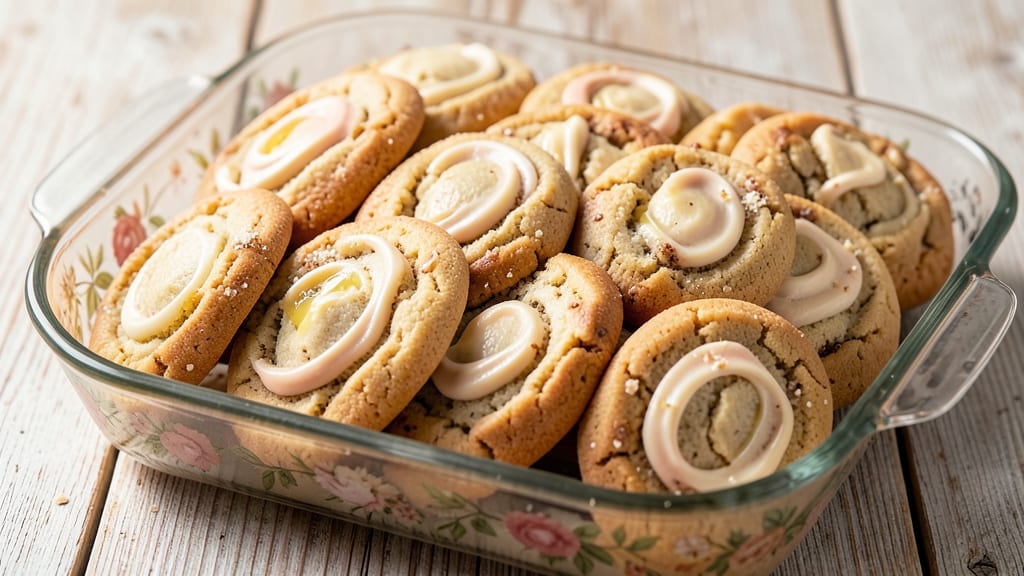
Betty Crocker's gluten free sugar cookie recipe brings holiday baking joy without sacrificing texture or taste—these festive cutouts deliver chewy centers and crisp edges, just like the classic version. The secret lies in a gluten-free flour blend that mimics traditional all-purpose flour while maintaining that signature tender bite.
I've tested this recipe dozens of times, perfecting the balance between structure and softness so every cookie holds its shape when cut while staying melt-in-your-mouth tender.
What makes this recipe truly special is how it transforms ordinary baking into a foolproof holiday tradition. With just 12 simple ingredients and 30 minutes of active prep time (plus cooling), you'll have 24 perfectly baked cookies ready for decorating.
The gluten-free flour blend—a mix of almond flour and oat flour—provides the structure needed for clean cutouts while keeping the texture delightfully soft. Even better, these cookies freeze beautifully, so you can bake ahead and enjoy fresh-tasting treats all season long.
Imagine the moment you pull these golden cookies from the oven—their edges just beginning to set while the centers remain velvety and pliable, perfect for rolling in powdered sugar or piping with royal icing.
The aroma of vanilla and butter fills your kitchen, creating an atmosphere that feels like a holiday hug. These aren't just gluten-free cookies; they're the restaurant-quality sugar cookies you've been craving, now adapted for dietary needs without compromise.
Whether you're decorating for Christmas, gift-giving, or simply treating yourself, this recipe delivers professional results at home. The instructions walk you through every step—from mixing the dough to achieving that perfect 8–12 minute bake at 350°F—so you can focus on the fun part: shaping, decorating, and sharing.
Let's get baking—your holiday cookie table just got an upgrade.
Ingredients for betty crocker gluten free sugar cookie
Twelve simple ingredients transform into 24 chewy-edged, festive gluten-free sugar cookies—just like Betty Crocker's classic, but better.
| Ingredient | Amount | Notes |
|---|---|---|
| Unsalted Butter 🧈 | 1 cup | Cold, cubed for even baking |
| Granulated Sugar 🍚 | 1 cup | White or light brown |
| Packed Brown Sugar 🍯 | ½ cup | Light or dark variety |
| Large Eggs 🥚 | 2 whole | Room temperature |
| Pure Vanilla Extract 🌿 | 2 tsp | High-quality, not imitation |
| Almond Flour 🌰 | 1 ½ cups | Fine, unsifted |
| Gluten-Free Oat Flour 🌾 | 1 cup | Certified gluten-free |
| Baking Soda 🧂 | ½ tsp | Pure, not baking powder |
| Diamond Crystal Kosher Salt 🧂 | ½ tsp | Fine grain preferred |
| Ground Cinnamon 🌿 | ½ tsp | Freshly ground |
| Powdered Sugar 🍚 | 1 cup | For rolling, not baking |
| Vanilla Icing 🎂 | ½ cup | Store-bought or homemade |
The gluten-free flour blend is everything here. Bob's Red Mill or King Arthur make excellent certified oat flour—check the label for 'gluten-free' certification. Almond flour should be fine, unsifted; sifting introduces air that makes the dough too light. I always buy King Arthur almond flour because it's consistently fine and free of clumps. For the sugars, light brown works best for that classic cookie flavor, but white sugar keeps them lighter. The butter? Plugrá or Land O'Lakes unsalted—never salted, and always cold when measuring. Room temperature eggs mix better, but cold butter ensures those signature tender layers.
No almond flour? Substitute with extra oat flour, but the texture will be slightly denser. Short on vanilla? Almond extract at half the amount adds depth. The baking soda and salt are non-negotiable—they're what give these cookies that perfect balance of structure and sweetness. For the powdered sugar rolling, Domino brand is my go-to because it's ultra-fine and clump-free. Making your own icing? Confectioners' sugar plus milk is all you need—just whisk until smooth. The cinnamon adds warmth, but if you're sensitive to spices, skip it entirely.
Dough keeps for 3 days in the fridge, wrapped tightly in plastic. For longer storage, freeze portions in 1-inch balls—they thaw in 20 minutes at room temperature. Baked cookies stay fresh for 5 days in an airtight container, but they're even better the next day when the flavors meld. I always bake a double batch and freeze half—holiday baking made easy. The icing hardens after 2 hours, so decorate right after baking for the best results.
Why You'll Love This Recipe
- You’re using pantry basics here: butter, sugar, eggs. No specialty flours or pricey extracts. The recipe stretches to feed a crowd, and leftovers? I wrap them in parchment and store them for weeks—they stay soft without drying out.
- No Mixer Needed: I swear by this recipe when my mixer’s on the fritz. Creaming the butter with both sugars until light and fluffy? Just a sturdy spoon and my elbow—no fancy tools required. The dough comes together in minutes, and honestly, I’ve made it in hotel rooms with just a fork.
- Buttery Vanilla Bomb: That combo of brown and granulated sugar? Chef’s kiss. The brown sugar adds a deep caramel note while the vanilla extract—real stuff, not imitation—makes every bite taste like a bakery. Even my vanilla-averse husband asks for seconds.
- Holiday or Snack Attack: These cookies freeze like a dream, so I bake a batch in December and pull them out for Christmas morning or a last-minute party. Or, let’s be real, I just eat them straight from the jar with a glass of milk—no occasion needed.
Step-by-step instructions for Betty Crocker's gluten free sugar cookies
Here's how to create perfectly chewy gluten-free sugar cookies with crisp edges—every time.
Cream the Butter and Sugars Together
In a stand mixer fitted with the paddle attachment, combine the 1 cup unsalted butter (cold and cubed) with the 1 cup granulated sugar and 0.5 cup packed brown sugar. Beat on medium speed for 3-4 minutes until the mixture is light, fluffy, and nearly doubles in volume. You'll notice the color lighten slightly as air incorporates—this is crucial for that classic sugar cookie texture.
I like to scrape down the sides of the bowl every 30 seconds to ensure even mixing. The butter should be fully creamed but still cool to the touch—if it feels warm, chill the bowl in the refrigerator for 5 minutes before proceeding. This ensures the cookies hold their shape during baking while maintaining that signature chewy center.
Add Eggs and Vanilla Extract
Reduce the mixer speed to low and add the 2 whole large eggs one at a time, mixing just until each is fully incorporated. After the second egg, add the 2 teaspoons pure vanilla extract and mix for an additional 20 seconds. The mixture should appear smooth and slightly thickened, with no visible streaks of egg.
This is where the magic happens—the eggs bind the dry ingredients while the vanilla extract adds depth of flavor. If the dough feels too sticky at this point, don't worry; the dry ingredients will firm it up. I always use room-temperature eggs to prevent the butter from melting prematurely during mixing.
Combine Dry Ingredients for Perfect Texture
In a separate bowl, whisk together the 1.5 cups almond flour, 1 cup gluten-free oat flour, 0.5 teaspoon baking soda, 0.5 teaspoon diamond crystal kosher salt, and 0.5 teaspoon ground cinnamon. Gradually add this mixture to the wet ingredients, mixing on low speed until just combined. Avoid overmixing—you should still see small flecks of flour throughout the dough.
The combination of almond flour and gluten-free oat flour creates a tender yet sturdy cookie texture. The cinnamon adds warmth without overpowering the sweetness, while the baking soda ensures a proper rise. Once combined, fold in any remaining flour with a silicone spatula to ensure even distribution.
Chill the Dough for Easy Handling
Divide the dough into two equal portions and flatten each into a 1-inch thick disk. Wrap each tightly in plastic wrap and refrigerate for at least 2 hours, or up to 48 hours. Chilling is non-negotiable—it firms up the dough, making it easier to roll out and preventing excessive spreading in the oven.
During this time, the gluten-free flours hydrate properly, which prevents the cookies from becoming crumbly. I often set a timer so I don't forget this critical step. The longer you chill, the better the results—up to 2 days in the fridge works beautifully for festive baking.
Roll and Cut Festive Shapes
Preheat your oven to 350°F and line two baking sheets with parchment paper. On a lightly floured surface, roll out one disk of dough to ¼-inch thickness. Use cookie cutters to create your desired shapes—stars, trees, or classic rounds—and transfer them to the prepared baking sheets, spacing them 2 inches apart. Gather any scraps, reroll, and cut additional shapes.
The dough should hold its shape well after chilling, but if it feels too soft, return it to the fridge for 15-20 minutes before rolling again. For extra festive flair, sprinkle the tops with powdered sugar or colored sprinkles before baking. Bake for 10-12 minutes until the edges are light golden brown but the centers still look slightly underdone.
Cool and Decorate with Vanilla Icing
Remove the cookies from the oven and let them cool on the baking sheets for 5 minutes before transferring to a wire rack. Once completely cooled, use the 0.5 cup vanilla icing to create borders, drizzles, or simple flood decorations. The icing should be thick enough to hold its shape but still spreadable—adjust with a splash of milk if needed.
Allow the icing to set for 15-20 minutes before serving. These cookies are best enjoyed within 3 days for maximum freshness, though they'll keep in an airtight container for up to 1 week. The combination of chewy centers, crisp edges, and buttery vanilla flavor makes them perfect for holidays or special occasions.
Pro Tips For Making Betty Crocker Gluten Free Sugar Cookie
- CHILL THE DOUGH: The gluten-free mix gets tricky when warm—it spreads more than you’d expect. After mixing, pop the dough in the fridge for at least 2 hours (overnight is even better). This keeps the cookies from flattening into sad pancakes when they hit the oven.
- WEIGH YOUR BUTTER: Pack that butter. The recipe says "softened," but if you scoop it straight from the fridge, you’ll end up with dry, crumbly cookies. Use the "squish test": press your thumb into it—if it leaves a slight indent, you’re good. No guessing.
- SKIP THE OVERMIXING: Gluten-free dough is delicate. Once the wet ingredients hit the mix, stir just until combined—about 10 seconds past the "no dry spots" point. Overmixing turns your cookies into dense, chewy bricks instead of tender, melt-in-your-mouth bites.
- USE AN ICE CREAM SCOOP: This isn’t about shortcuts—it’s about control. The Betty Crocker mix is crumbly, and rolling it out leads to tears (and frustration). Scoop the dough, chill the balls for 15 minutes, then bake. The cookies stay round, the edges stay crisp, and you won’t spend 20 minutes patching up a broken mess.
Regional styles of this betty crocker gluten free sugar cookie
Southern Style
In the South, these gluten-free sugar cookies take on a richer profile by adding 1 teaspoon of lemon zest to the dough, brightening the buttery flavors.
I like to roll them in a mix of powdered sugar and turmeric (just ¼ teaspoon) for a golden hue that nods to classic Southern baking. Serve with a glass of sweet tea for the ultimate regional pairing. 🍯
Midwest Festive Twist
Midwest bakers often transform these into gingerbread-style cookies by adding 1 teaspoon ground ginger and ½ teaspoon nutmeg to the dry ingredients. Roll them in cinnamon sugar before baking, then decorate with simple white icing. These are perfect for holiday cookie exchanges—pack them in festive tins for gifting. 🎄
West Coast Modern
For a West Coast flair, swap half the almond flour for coconut flour (reduce the oat flour by ¼ cup) and add ½ teaspoon almond extract to the wet ingredients.
Top with crushed macadamia nuts before baking for a nutty crunch. Pair with chilled almond milk for a lighter dessert option. 🌴
Northeast Classic
New England bakers keep it simple but elegant: roll the dough to ⅛-inch thickness for thinner cookies, then cut into classic wreaths or snowflakes. Brush the tops with egg wash before baking for a glossy finish. These hold their shape beautifully and are perfect for holiday cookie platters. ❄️
International Adaptation
For a British-inspired version, replace the vanilla extract with 1 teaspoon of orange blossom water (find it in Middle Eastern markets) and add ¼ teaspoon cardamom to the dry mix.
Roll in colored sugar for a vibrant, festive look. The floral notes add a sophisticated twist to the classic recipe. 🌸
Nutrition facts
Frequently asked questions
Why does the dough need to chill for 2 hours?
Chilling prevents the cookies from spreading too much in the oven. The gluten-free flours absorb moisture during chilling, creating a firmer texture that holds shapes like stars and trees. Without chilling, you'll get flat, cakey cookies instead of the perfect ¼-inch thickness needed for crisp edges.
Can I substitute almond flour with regular flour?
No—regular flour contains gluten, which these cookies are designed to avoid. For a 1:1 substitute, use a certified gluten-free all-purpose blend like Bob's Red Mill 1-to-1. However, the texture will differ slightly (less tender). The almond flour adds richness and moisture that regular flour can't replicate.
How do I prevent cookies from cracking while baking?
Cracking usually happens when the dough is too warm or the oven is too hot. Ensure your butter is cold when creaming, and let the oven preheat fully for 15 minutes before baking. Also, roll the dough to a consistent ¼-inch thickness—thicker spots bake faster and crack. For extra insurance, place a tray of water in the oven to add moisture.
What if my cookies taste bland?
Add ½ teaspoon more vanilla extract or swap in 1 teaspoon almond extract for depth. For warmth, increase cinnamon to 1 teaspoon or add ¼ teaspoon cardamom. The gluten-free flours absorb flavors differently, so taste the dough before baking—adjust sweetness with an extra 1 tablespoon brown sugar if needed.
Can I make these cookies ahead for holiday gifting?
Bake the cookies up to 3 days ahead and store in an airtight container. For longer storage, freeze unbaked dough balls for up to 3 months or baked cookies for 2 months. Thaw frozen dough at room temperature for 20 minutes before rolling. Pack decorated cookies in clear cellophane bags tied with ribbon for a festive touch.