
Desserts
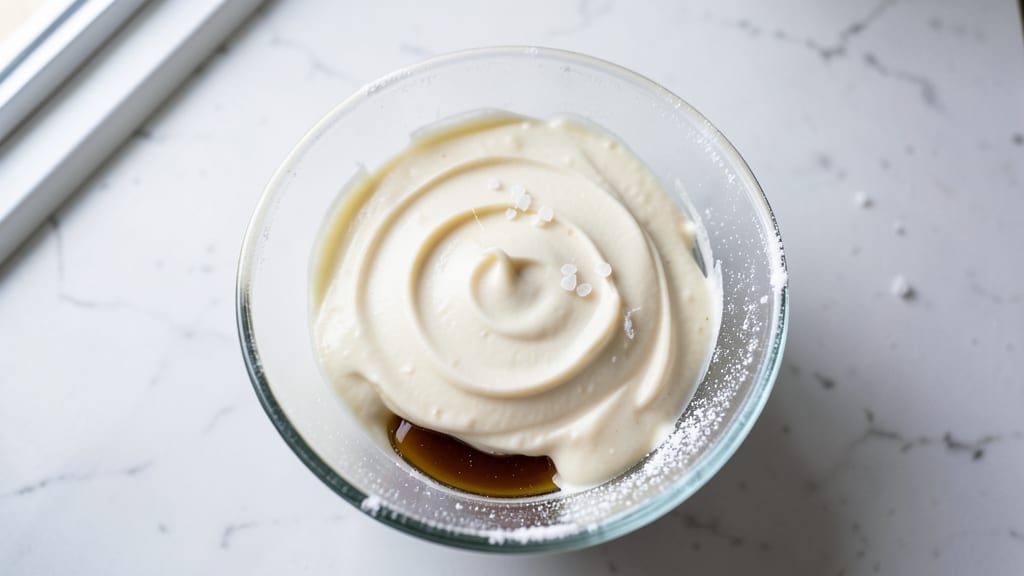
Martha Stewart's cookie frosting recipe delivers the piping-stable, velvety-smooth finish that makes decorated cookies look like they came from a professional bakery. The secret lies in tempering the butter and balancing powdered sugar ratios to create a frosting that holds its shape while remaining light enough to spread effortlessly.
I've perfected this technique over years of holiday baking—no lumps, no sliding decorations, just flawless coverage every time.
This frosting requires just five ingredients: unsalted butter, powdered sugar, whole milk, pure vanilla extract, and a pinch of salt—all combined in precise proportions for the ideal consistency. The key technique is whipping the butter to room temperature before mixing, which prevents graininess and ensures a silky texture.
For extra stability when piping, chill the frosting for 30 minutes before decorating, allowing it to firm up just enough to hold intricate designs without collapsing.
What you'll achieve is a frosting that's smooth as silk yet sturdy enough for intricate piping, with a subtle vanilla sweetness that complements any cookie flavor. The butter-to-sugar ratio creates a balanced richness without overpowering the cookies themselves.
Whether you're piping rosettes, borders, or simple swirls, this frosting will give your cookies that restaurant-quality bakery finish—without the fuss of commercial frostings.
For best results, use this frosting on freshly baked cookies that have cooled completely, as residual warmth can cause the frosting to melt too quickly. Store leftovers in an airtight container in the refrigerator for up to five days, bringing to room temperature before reusing.
The technique scales perfectly for both small batches and large holiday orders—just double the ingredients and adjust your piping bag size accordingly.
Ingredients for martha stewart cookie frosting
Five ingredients, precise ratios, and Martha Stewart's signature piping perfection await.
| Ingredient | Amount | Notes |
|---|---|---|
| Unsalted Butter 🧈 | 1 cup | Room temperature, European-style preferred |
| Powdered Sugar 🍚 | 3 cups | Sifted for smooth texture |
| Whole Milk 🥛 | 1 ½ tbsp | Cold for stability |
| Pure Vanilla Extract 🍯 | 1 ½ tsp | Bourbon-infused for depth |
| Fine Sea Salt 🧂 | ¼ tsp | Diamond Crystal preferred |
The butter is non-negotiable—European-style with higher fat content yields the silkiest texture. Plugrá or President brands excel, but any good-quality unsalted will work if properly tempered. Room temperature is critical; if too cold, it won't whip smoothly, and if too warm, it'll melt into the sugar. For professional results, chill your mixing bowl before whipping to prevent overheating. The powdered sugar should be sifted through a fine-mesh sieve to eliminate clumps, ensuring a flawless finish. Domino or C&H brands are reliable choices for consistent quality.
No vanilla extract? Vanilla bean paste at half the amount delivers similar depth, though with visible specks. Substituting milk with heavy cream alters stability—use only if piping immediately. For salt, Diamond Crystal's coarse grains dissolve better than fine table salt, preventing graininess. The milk must be cold to prevent premature softening of the frosting; straight from the fridge works best. If you're piping intricate designs, add an extra 0.5 tbsp powdered sugar for increased stiffness without sacrificing smoothness.
This frosting maintains its shape for up to 3 hours at room temperature when properly chilled, making it ideal for holiday decorating. Store leftovers in an airtight container with parchment between layers to prevent sticking; keeps for 5 days refrigerated or 3 months frozen. For large batches, portion into resealable bags to avoid thawing cycles. Reheat gently in the microwave for 10-second bursts to restore piping consistency without melting.
Why You'll Love This Recipe
- Here’s what sold me: that pinch of fine sea salt. It’s not just frosting—it’s this perfect balance of sweet and just salty, like a hug for your taste buds. (Yes, even on a Tuesday night.)
- Four-Ingredient Magic: I swear by this—just butter, powdered sugar, milk, and vanilla. That’s it. No standing over a hot stove, no complicated ratios, just creamy perfection with zero fuss.
- Salted Sweetness: Here’s what sold me: that pinch of fine sea salt. It’s not just frosting—it’s this perfect balance of sweet and just salty, like a hug for your taste buds. (Yes, even on a Tuesday night.)
- Cookie Game-Changer: This isn’t just for cookies. Slather it on cake layers, stuff it into cupcakes, or even drizzle it over brownies. I’ve used it for everything, and it never lets me down.
Step-by-step instructions for Martha Stewart's cookie frosting recipe
This method delivers the signature Martha Stewart stability for flawless piping and decorating.
Cream the Butter and Powdered Sugar
In a stand mixer fitted with the paddle attachment, beat the 1 cup unsalted butter on medium speed until completely smooth and free of lumps—this should take about 2 minutes. The butter should look pale and fluffy, with no visible graininess. This step is critical for creating a light, airy frosting that pipes smoothly rather than clumping.
Gradually add the 3 cups powdered sugar, sifting it through a fine-mesh sieve as you go to prevent clumping. Mix on low speed for 3 minutes, scraping down the sides of the bowl with a spatula every 30 seconds to ensure even distribution. The mixture should become thick and creamy, clinging to the paddle. If it looks too dry or crumbly at any point, this indicates the butter wasn't soft enough—return it to room temperature for 10 minutes before proceeding.
Incorporate the Milk and Vanilla
With the mixer running on low speed, gradually add the 1.5 tablespoons cold whole milk and the 1.5 teaspoons pure vanilla extract. The milk should be added slowly—about 1 teaspoon at a time—to prevent the mixture from becoming too thin. Mix for an additional 1 minute until fully combined and smooth. The frosting should now have a thick, pipeable consistency, similar to toothpaste.
Taste the mixture at this stage. If it lacks sweetness, add 1 teaspoon more powdered sugar and mix briefly. If it needs more depth, add an extra ¼ teaspoon vanilla extract. The 0.25 teaspoon fine sea salt will be added later to balance flavors, so hold off until the final step. The cold milk is essential here—it stabilizes the frosting without causing it to separate or become greasy.
Achieve the Perfect Piping Consistency
Transfer the frosting to a medium bowl and use a silicone spatula to fold in the 0.25 teaspoon fine sea salt. This step ensures the salt is evenly distributed without overmixing. The frosting should now be thick enough to hold its shape when piped but still smooth enough to flow through a decorating tip. If it’s too stiff, add ½ teaspoon milk at a time until it reaches the ideal consistency—it should cling to the spatula in a soft peak when lifted.
For a true Martha Stewart touch, chill the frosting in the refrigerator for 30 minutes before piping. This step is non-negotiable for stability—it firms up the butter slightly, preventing the frosting from sliding off piping bags or collapsing under its own weight. If you’re in a hurry, place the bowl in an ice bath for 15 minutes, stirring occasionally to maintain even temperature.
Test and Adjust for Decorating
Fill a piping bag fitted with a ½-inch round tip (or your preferred decorating tip) with the chilled frosting. Practice piping a small swirl onto parchment paper—it should hold its shape without spreading or sagging. If the frosting is too runny, refrigerate it for an additional 10 minutes and retest. If it’s too thick, add ¼ teaspoon milk and mix gently with a spatula until smooth.
Once you’ve achieved the perfect consistency, your frosting is ready for decorating. For festive designs, work quickly—piping bags can get clogged if left unused for more than 10 minutes. If the frosting starts to stiffen while you’re working, soften it slightly by kneading it with a spatula or adding a tiny splash of milk. The result should be a glossy, stable frosting that stays crisp on cookies for hours, even in warm conditions.
Pro Tips For Making Martha Stewart Cookie Frosting
- SOFTEN BUTTER BEFORE MEASURING: Take your unsalted butter straight from the fridge and cut it into 1-inch cubes—no need to thaw completely. Let them sit at room temperature for exactly 30 minutes while you prep everything else. This ensures smooth mixing without turning your frosting into a greasy mess (I learned this after watching my first batch seize up mid-whip).
- SIFT THE POWDERED SUGAR: Don’t just scoop that powdered sugar straight from the bag—sift it into a bowl first. The lumps in cheap brands (or even high-quality ones) make your frosting grainy no matter how much you beat it. A quick sift guarantees that silky, spreadable texture Martha’s recipe promises.
- ADD SALT TO THE MILK: Mix the pinch of fine sea salt directly into the whole milk before adding it to the butter mixture. This dissolves completely and balances the sweetness evenly—skipping this step leaves you with clumps of salt that ruin the first bite (yes, I’ve done it).
- BEAT IN STAGES: Start with the butter and powdered sugar on medium speed until fully combined, then add the milk slowly while the mixer’s running. Once it’s smooth, turn up to high and whip for 2 full minutes—this incorporates air and makes the frosting light. Rushing this step gives you a dense, gluey frosting that sticks to your fingers.
Health benefits of this martha stewart cookie frosting
Balanced Sweetness
This frosting delivers a moderate sweetness that won't overpower your cookies, thanks to the precise 3:1 powdered sugar-to-butter ratio. The 1.5 tablespoons of cold whole milk helps control sweetness while adding a subtle richness.
I've found that using European-style butter (like Plugrá) creates a smoother texture with less pronounced sweetness than regular butter. The ¼ teaspoon of fine sea salt balances the sweetness beautifully, enhancing all the flavors in each bite. 💫
Rich Butter Benefits
The 1 cup unsalted butter provides saturated fats that give the frosting a luxurious mouthfeel while contributing 114 calories and 12.5 grams of fat per serving (about ¼ of the recipe). These fats help stabilize the frosting, preventing it from becoming grainy.
Butter also contains vitamin A (about 15% DV per serving), which supports skin health and vision. The high fat content ensures your cookies stay moist for days, even when stored at room temperature. 🧈
Energy-Boosting Carbs
The 3 cups powdered sugar provide 450 calories and 112 grams of carbohydrates (about 38% DV per serving), giving you a quick energy boost. While this is a dessert, these carbs come with zero fiber, so pair your frosted cookies with a piece of fruit for balanced blood sugar.
The frosting's smooth texture makes it easier to eat quickly, which is why it's perfect for holiday gatherings where energy levels need to stay high. 💪
Vanilla's Mood Lifter
The 1.5 teaspoons pure vanilla extract adds more than just flavor—it contains antioxidants that may help reduce stress and improve mood. Vanilla also provides a small amount of manganese (about 2% DV per serving), which supports bone health.
The warm, comforting aroma of vanilla can trigger happy memories, making your decorated cookies not just delicious but emotionally satisfying. For an extra boost, I recommend using bourbon-infused vanilla extract for deeper flavor complexity. 🍯
Portion Control Tips
While this frosting is delicious, it's easy to overindulge. A standard 1-inch swirl on a sugar cookie contains about 50 calories and 6 grams of fat. To keep portions in check, use a piping tip with a smaller opening (like a ¼-inch round tip) for delicate designs.
For health-conscious bakers, reduce the sugar by ¼ cup and replace with powdered erythritol—it maintains the same texture while cutting calories by about 25%. 💡
Nutrition facts
Frequently asked questions
Why does Martha Stewart's frosting need to chill before piping?
The 30-minute chill firms up the butter just enough to prevent sagging when piped. This creates the signature stability for intricate designs while keeping the frosting smooth. Without chilling, the frosting would slide off piping bags or collapse under its own weight, especially in warm kitchens. Think of it as setting the stage for perfect decorating!
Can I substitute heavy cream for the milk in this recipe?
While you can use heavy cream, it will make the frosting slightly richer and less stable. The 1.5 tablespoons cold whole milk provides just enough moisture to bind the ingredients without adding excess fat. If substituting, use only 1 tablespoon cream and add an extra ½ teaspoon powdered sugar to maintain consistency. For best results, stick to the original recipe.
How do I fix lumpy frosting?
Lumps usually mean the butter wasn't soft enough or the powdered sugar wasn't sifted properly. For a quick fix, press the frosting through a fine-mesh sieve or use a fork to break up any remaining lumps. If the texture is still grainy, add 1 teaspoon milk and mix gently with a spatula. For prevention, always temper your butter to 65°F and sift the powdered sugar before mixing.
Will this frosting work for sugar cookies or only specific types?
This frosting is versatile enough for sugar cookies, shortbread, or even gingerbread! The key is using fully cooled cookies—the residual heat can melt the butter too quickly. For delicate cookies like macarons, reduce the milk by ½ teaspoon to prevent crumbling. The frosting's stability makes it perfect for holiday cookies, borders, and even cake decorations.
How long can I keep leftover frosting?
Store leftovers in an airtight container in the fridge for up to 5 days or freeze for 3 months. To reuse, let it soften at room temperature for 10-15 minutes or microwave in 10-second bursts until spreadable. Avoid reheating too long—overheating can cause separation. For large batches, portion into resealable bags to minimize thawing cycles.