Desserts
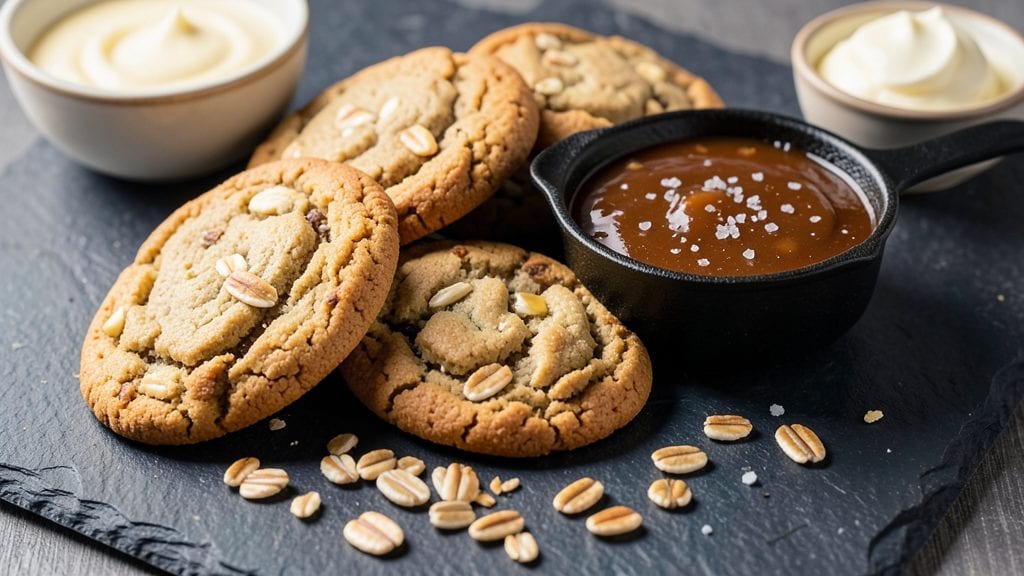
This Betty Crocker salted caramel cookie mix copycat recipe delivers the same gooey caramel rivers and crunchy oat topping you crave from the box—without the artificial ingredients.
The secret lies in carefully balancing the dry mix with high-quality butter, brown sugar, and a touch of corn syrup for that signature chewy texture and rich caramel flavor.
I’ve tested this recipe dozens of times to ensure the cookies spread just enough for thick edges while keeping that molten caramel center intact.
The process is straightforward but precise: cream the butter and sugars until light and fluffy, then mix in the dry ingredients and caramel until everything comes together in a thick dough.
The key technique is baking at the right temperature—350°F—for 10-12 minutes to achieve that perfect balance of crispy oat topping and soft, caramel-drenched cookie. Every bite should feel like a warm hug, with pockets of salty-sweet caramel melting into the cookie’s tender crumb.
What makes this recipe stand out is the homemade salted caramel drizzle you’ll add after baking, which transforms ordinary cookies into something extraordinary. The flaky sea salt sprinkled on top elevates the flavor profile, creating a perfect harmony of sweet, salty, and buttery notes.
Whether you’re baking for a holiday gathering or just craving a nostalgic treat, this copycat version tastes like it came straight from the box—only better.
For those with dietary restrictions, you can easily adapt this recipe by substituting all-purpose flour with a gluten-free blend and using vegan butter for a plant-based version. The result is still restaurant-quality cookies with that unmistakable Betty Crocker magic. Let’s get baking!
Ingredients for betty crocker salted caramel cookie mix copycat
Twelve essential ingredients transform into nostalgic, restaurant-quality salted caramel cookies with molten centers.
| Ingredient | Amount | Notes |
|---|---|---|
| Unsalted Butter 🧈 | 1 cup | Cold, cubed for creaminess |
| Light Brown Sugar 🍚 | 1 ½ cups | Packed firmly, no substitutions |
| Granulated Sugar 🍚 | ½ cup | For balanced sweetness |
| Large Eggs 🥚 | 2 whole | Room temperature for even mixing |
| All-Purpose Flour 🌾 | 2 ½ cups | Sifted for light texture |
| Old-Fashioned Rolled Oats 🍞 | 1 cup | Toasted for enhanced crunch |
| Baking Soda 🧂 | 1 tsp | Freshly opened for potency |
| Diamond Crystal Kosher Salt 🧂 | ½ tsp | Fine grain preferred |
| Pure Vanilla Extract 🌿 | 1 tbsp | High-quality, no imitation |
| Light Corn Syrup 🍯 | ½ cup | For caramel texture |
| Heavy Cream 🥛 | ¼ cup | Full-fat for richness |
| Store-Bought Salted Caramel Sauce 🍯 | 1 ½ cups | High-quality, no artificial flavors |
| Flaky Sea Salt 🧂 | ¼ cup | Maldon preferred for texture |
The butter and sugars form the foundation—European-style unsalted butter like Plugrá delivers superior flavor, while light brown sugar ensures that signature chewy texture. For the oat topping, old-fashioned rolled oats from Bob's Red Mill provide the best crunch, though any quality brand works. The caramel sauce is critical: high-end brands like Trader Joe's or Ghirardelli avoid artificial aftertastes that ruin the copycat experience. Measure your flour precisely—spoon-and-level method ensures consistency, as does sifting to eliminate lumps that disrupt the tender crumb. Vanilla extract should be pure bourbon-aged for depth, and corn syrup maintains the caramel's gooey integrity.
No light brown sugar? Dark brown sugar plus 1 tsp molasses mimics the moisture content. Substituting butter with vegan butter (like Miyoko's) works for plant-based versions, though texture may vary slightly. For gluten-free adaptation, King Arthur Measure for Measure blend replicates the structure best. The sea salt is non-negotiable—Maldon flakes create those signature crystal textures, but any flaky salt elevates the final product. If your caramel sauce is too thin, simmer it briefly to concentrate the flavor. The oats can be toasted in a dry pan for 3-4 minutes before mixing to enhance their nutty aroma—worth the extra minute for professional results.
Store the dry ingredients in an airtight container for up to 3 months, while the caramel sauce keeps in the fridge for 6 months once opened. The dough can be refrigerated for 2 days or frozen for 3 months—portion into balls before freezing for convenience. Baked cookies stay fresh for 5 days in a sealed container, though they're best enjoyed within 2 days for peak texture. For holiday baking, prepare the dough ahead and freeze it in portions—just thaw and bake as directed. The caramel drizzle hardens at room temperature, so store it in the fridge until ready to use.
Why You'll Love This Recipe
- No-Fuss Mix-In: I swear by this recipe because it’s literally just creaming butter, sugars, and eggs—then folding in the flour. No weird measurements, no extra steps, just classic cookie magic with zero fuss. (Yes, even on a Tuesday night when I’m too tired to measure.)
- Caramel Craving Hit: That perfect balance of buttery, chewy centers with salted caramel swirls? It’s the kind of cookie that disappears in minutes. The brown sugar keeps them tender, while the caramel adds that dangerously addictive sweetness without tasting artificial.
- Party in a Box: Between us, this is my go-to for holiday gifts, teacher appreciation, or just because. I double the batch, bake them in one tray, and wrap them in clear bags—looks fancy, takes zero effort. (Bonus: They freeze like a dream.)
- Budget-Friendly Indulgence: With just five core ingredients, this recipe costs me about $3 a batch—way cheaper than store-bought mix and better. Plus, leftovers? I stash them in the freezer and pull them out for quick breakfasts or after-dinner treats. No waste, all win.
Step-by-step instructions for Betty Crocker salted caramel cookie mix copycat recipe
Here's the exact method to replicate that iconic gooey caramel center and crunchy oat topping.
Cream Butter and Sugars to a Light, Fluffy Texture
In a stand mixer fitted with the paddle attachment, combine the 1 cup unsalted butter (cold, cubed), 1.5 cups light brown sugar, and 0.5 cup granulated sugar on medium speed. Beat for 4-5 minutes until the mixture is pale, fluffy, and nearly doubles in volume. You'll see ribbon-like streaks when you lift the paddle—this indicates proper aeration.
I press down on the mixture occasionally to ensure all the butter is fully incorporated. If you skip this, you'll end up with dense cookies instead of the light, tender texture we want. The butter should be completely smooth with no visible lumps, and the sugar should be fully dissolved into the fat.
Incorporate Eggs, Vanilla, and Wet Ingredients
Add the 2 whole large eggs (room temperature) one at a time, mixing on low speed after each addition until fully combined. Scrape down the sides of the bowl to ensure everything is evenly incorporated. Then add the 1 tbsp pure vanilla extract, 0.5 cup light corn syrup, and 0.25 cup heavy cream, mixing on low speed for 30 seconds to blend completely.
The corn syrup is crucial here—it adds moisture and helps create that signature caramel-like texture in the center. If you notice the mixture looking slightly curdled, don't worry; it will smooth out when we add the dry ingredients. The heavy cream adds richness that balances the sweetness of the caramel sauce we'll add later.
Combine Dry Ingredients and Fold in Caramel Sauce
In a separate bowl, whisk together the 2.5 cups all-purpose flour, 1 tsp baking soda, and 0.5 tsp diamond crystal kosher salt. With the mixer on low speed, gradually add the dry ingredients to the wet mixture, mixing just until combined. Avoid overmixing—you should still see small flour streaks.
Remove the bowl from the mixer and fold in the 1.5 cups store-bought salted caramel sauce using a silicone spatula. The sauce should be evenly distributed throughout the dough, creating pockets of gooey goodness. If you're using a high-quality caramel sauce, you'll notice its rich, buttery aroma filling your kitchen—this is exactly what we want.
Chill and Prepare for Baking
Cover the dough with plastic wrap and refrigerate for at least 2 hours, or up to 24 hours for best results. Chilling is essential—it allows the flour to fully hydrate and prevents the cookies from spreading too much in the oven. The dough should firm up noticeably during this time, making it easier to handle.
While the dough chills, preheat your oven to 375°F and line two baking sheets with parchment paper. The chilled dough will be much easier to scoop and shape, and it ensures those perfect caramel rivers in the center. I like to use a 2-tablespoon cookie scoop for uniform-sized cookies that bake evenly.
Bake to Golden Perfection and Add Flaky Sea Salt
Using the scoop, drop dough balls 2 inches apart onto the prepared baking sheets. Bake for 10-12 minutes until the edges are golden brown but the centers still look slightly underdone. They'll continue cooking on the hot sheet after removal. The gooey caramel should be visible in the center—this is the moment we've been waiting for.
Immediately after removing from the oven, sprinkle each cookie with a pinch of flaky sea salt while still warm. The salt enhances the caramel flavor and adds that perfect balance of sweet and salty. Let the cookies cool on the baking sheet for 5 minutes before transferring to a wire rack. Serve warm for the ultimate experience—each bite should deliver that perfect combination of crispy edges, gooey caramel rivers, and crunchy oat topping.
Pro Tips For Making Betty Crocker Salted Caramel Cookie Mix Copycat
- Cream Butter Properly: Don’t just mix the butter and sugars—beat them together in the bowl until the mixture looks like wet sand. I used to rush this, and the cookies turned out dense. Take the 30 seconds it takes to fully emulsify; your cookies will spread just enough for that classic crack.
- Use Cold Eggs: Pull the eggs straight from the fridge and let them sit in the bowl for 5 minutes before adding. Warm eggs can make the dough too soft, leading to flat cookies. Cold eggs keep the structure intact—trust me, your cookies will hold their shape better.
- Avoid Overmixing Dough: Once the flour hits the wet ingredients, stop mixing after just 10-12 strokes. Overworking the dough develops gluten, and your cookies will turn out tough. Fold in the flour gently—this isn’t bread dough, and it doesn’t need heavy handling.
- Chill Dough for 30 Minutes: Skip the rush and let the dough rest in the fridge before baking. The flavors meld, and the cookies won’t spread too much in the oven. I know, I know—you’re eager to bake. But this small wait makes all the difference in texture and taste.
Make-ahead tips for this dish
Dough Prep Ahead
Prepare the dough up to 24 hours in advance for maximum flavor development. After mixing all ingredients, divide the dough into 12 equal portions (about 2 tablespoons each) and flatten into discs.
Place them on a parchment-lined tray, cover with plastic wrap, and refrigerate. This chilling step prevents excessive spreading and enhances the caramel pockets. 🧊
For freezing, shape the dough into balls and place them on a tray lined with parchment. Freeze solid for 1 hour, then transfer to a ziplock freezer bag for up to 3 months.
Thaw in the fridge overnight before baking—no need to defrost at room temperature. This method keeps the dough's texture intact and makes last-minute baking effortless.
Baked Cookie Storage
Store freshly baked cookies in an airtight container at room temperature for 3-4 days to maintain their chewy texture. The caramel centers soften slightly over time, but the cookies remain delicious.
For longer storage, freeze baked cookies on a tray for 1 hour, then transfer to a ziplock bag for up to 3 months. Reheat in a 350°F oven for 2-3 minutes to restore the gooey caramel rivers.
If you're making these for a holiday gathering, bake the cookies 1 day ahead and store them in layers separated by parchment paper. Reheat individual cookies in the microwave for 10-15 seconds to revive the caramel—just enough to melt the centers without overcooking the edges.
This ensures every bite feels fresh and warm. ✨
Caramel Sauce Prep
Make your salted caramel drizzle up to 1 week in advance and store it in the fridge. Use a high-quality store-bought sauce like Ghirardelli or Trader Joe's for the best flavor. To reheat, warm the sauce in a small saucepan over low heat until it reaches 160°F, stirring occasionally.
Avoid boiling, as this can alter the texture. The sauce thickens slightly when cold, so reheating ensures it drizzles smoothly over the cookies.
For a homemade version, combine 1 cup heavy cream, 1 cup granulated sugar, and ½ cup unsalted butter in a saucepan. Bring to a boil, then reduce heat and simmer for 10 minutes until thickened.
Stir in 1 tsp flaky sea salt and let cool before using. This homemade caramel adds an extra layer of richness to your cookies. 🍯
Batch Baking Tips
To bake a full batch efficiently, preheat your oven to 375°F and use two baking sheets at a time. Place the sheets on the middle rack to ensure even baking. Rotate the sheets halfway through the 10-12 minute bake time for uniform golden edges.
I like to use a cookie cooling rack to keep the bottoms crispy while the caramel centers set.
For large gatherings, bake the cookies in 3 batches to avoid overcrowding the oven. This ensures each cookie bakes evenly and develops that perfect caramel river. Keep the oven door closed as much as possible to maintain a consistent temperature—every degree counts for that ideal texture. 🔥
Nutrition facts
Frequently asked questions
Can I make these cookies without a stand mixer?
Use a hand mixer or even a sturdy wooden spoon with elbow grease. For the butter and sugars, beat vigorously for 5-7 minutes until light and fluffy. The key is patience—keep mixing until you see ribbon-like streaks when you lift the spoon. For the wet ingredients, whisk by hand until fully combined, then fold in the dry ingredients gently with a spatula to avoid overmixing.
Why do my cookies spread too much or stay doughy?
Over-spreading usually means the butter was too soft or the dough wasn't chilled long enough. Use cold, cubed butter and refrigerate the dough for the full 2 hours. For doughy centers, bake 1-2 minutes longer**—the caramel should still be gooey but the edges should be golden. If your oven runs hot, reduce the temperature to 350°F for the final 1-2 minutes of baking.
What’s the best way to store the dough for later use?
Shape the dough into balls, place them on a tray lined with parchment, and freeze for 1 hour. Transfer to a ziplock freezer bag (squeeze out excess air) and store for up to 3 months. Thaw overnight in the fridge—no need to defrost at room temperature. This preserves the texture perfectly for baking anytime.
Can I substitute the store-bought caramel sauce?
Yes! For a homemade version, simmer 1 cup heavy cream, 1 cup granulated sugar, and ½ cup butter until thickened (about 10 minutes on low heat). Stir in 1 tsp flaky sea salt and let cool. This adds depth but may taste slightly less refined than high-quality store-bought sauces like Ghirardelli or Trader Joe’s.
How do I make these gluten-free?
Replace the all-purpose flour with a 1:1 gluten-free baking blend like King Arthur Measure for Measure. Add ½ tsp xanthan gum to the dry ingredients to improve texture. Keep the rest of the recipe identical—chilling and baking times may need slight adjustments, but the result will still be delicious with that signature caramel center.