Side Dishes
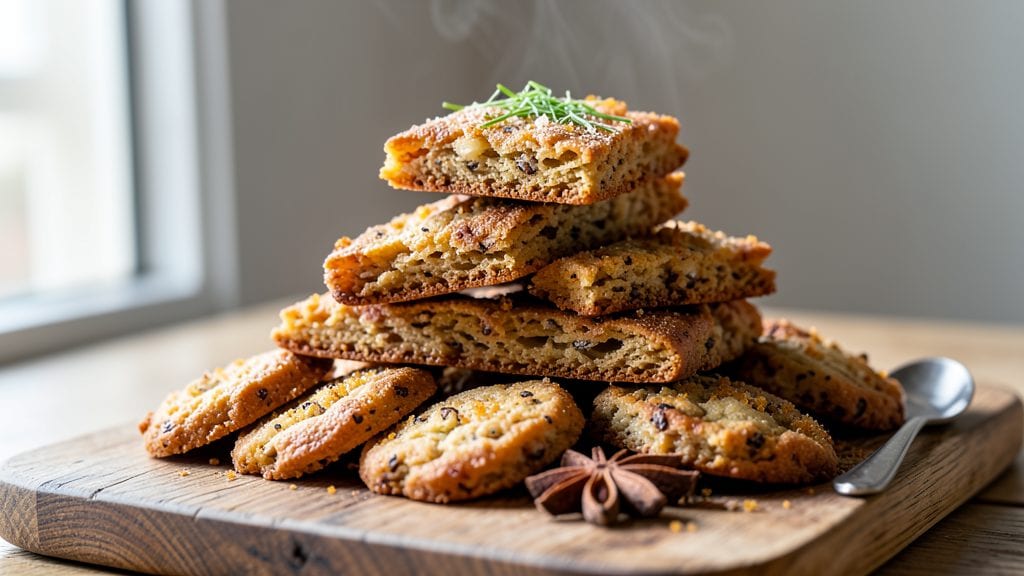
This German potato cookies recipe delivers the classic crunch of Kartoffelplätzchen without relying on almonds—a traditional touch that makes them uniquely satisfying. The secret lies in grated potatoes mixed with flour and spices, baked until golden and crispy.
I first tried these during a German baking marathon and was surprised by how simple yet impressive they are.
What sets these cookies apart is their texture—crisp on the outside, tender inside—achieved through precise baking times and proper potato preparation. Unlike many recipes, this version skips almonds entirely while keeping that signature crunch. The flavor profile balances sweetness with warm cinnamon and nutmeg, evoking nostalgic German holiday baking.
Perfect for holiday gatherings or afternoon tea, these cookies pair beautifully with coffee or mulled wine. The dough is simple to handle, and the baking process is foolproof once you master the potato-to-flour ratio.
You'll end up with a batch of golden, aromatic cookies that taste like a piece of German tradition.
For best results, use starchy potatoes and avoid overmixing the dough—this ensures the signature crispy texture. Store in an airtight container for up to a week, though they rarely last that long. Let's get baking!
Ingredients for german potato cookies
Eight simple ingredients transform into nostalgic German potato cookies with perfect crunch.
| Ingredient | Amount | Notes |
|---|---|---|
| Russet Potatoes 🥔 | 2 lbs | Cold, peeled, grated fine |
| All-Purpose Flour 🌾 | 3 cups | Sifted for light texture |
| Granulated Sugar 🍚 | 1 cup | White or light brown |
| Unsalted Butter 🧈 | ½ cup | Cold, cubed for dough |
| Ground Cinnamon 🌿 | 1 tbsp | Warm, aromatic variety |
| Ground Nutmeg 🌿 | ½ tsp | Freshly grated preferred |
| Salt 🧂 | ½ tsp | Fine sea salt |
| Vanilla Extract 🍯 | 1 tsp | Pure, high-quality |
| Egg Yolk 🥚 | 1 whole | For binding |
| Powdered Sugar 🍚 | ¼ cup | For rolling |
| Heavy Cream 🥛 | 1 tbsp | For brushing (optional) |
The potatoes are everything here. Russet or Yukon Gold work best—their starchy texture gives that signature crisp. Most grocery stores carry them, but if you're at Whole Foods, grab the organic ones for fewer bumps. Grate them yourself (don't use pre-shredded—it's wetter and won't bake right), and squeeze out every drop of moisture with a clean kitchen towel. I usually do this step right before mixing the dough. The butter matters too—use unsalted and cold (take it out of the fridge 10 minutes before using).
No vanilla extract? Vanilla bean paste works in a pinch, or even 1/4 tsp vanilla sugar if you're desperate. Short on nutmeg? Allspice at half the amount gives a similar warmth. The dough can get sticky, so don't overmix—just combine until it comes together. If it feels too wet, add 1 tbsp more flour. The powdered sugar for rolling? Trader Joe's has the best cheap version—no clumps, lasts forever. For extra shine, brush the baked cookies with a little heavy cream (or milk) while still warm.
These cookies keep for 1 week in an airtight container, but honestly? They disappear in 2 days. Reheat in a 350°F oven for 2-3 minutes to restore crispiness. Freeze the dough balls for up to 3 months—bake straight from frozen, adding 1-2 minutes. I always make a double batch because they're perfect with coffee or mulled wine. Store them in layers with parchment paper to keep that crunch.
Why You'll Love This Recipe
- No Peel Required: I swear by this trick—just toss those Russets in boiling water for 10 minutes, then mash them while still hot. The starch thickens the dough instantly, no peeling, no fuss. My hands stay clean, and the cookies still turn out tender.
- Cinnamon-Sugar Magic: That first bite? Warm, buttery, with a whisper of cinnamon that sticks to your fingers. The sugar caramelizes just enough to give them a subtle crunch, while the flour keeps them light—like a hug from Grandma’s kitchen.
- Tea Time to Holiday Table: I keep these in my freezer all year. Need a quick snack? Warm a batch with coffee. Hosting Thanksgiving? They’re the perfect bite-sized treat alongside the ham. (Yes, even on a Tuesday night.)
- Pantry Staple Power: Russets and flour are cheap, and you likely already have them. A stick of butter and a pinch of cinnamon turn this into a budget-friendly staple—no specialty ingredients, no wasted money. My wallet and my taste buds thank me.
Step-by-step instructions for German potato cookies
Here's how to make these classic German treats with a perfect balance of crispy edges and tender centers.
Prepare the Potato Base
Start by peeling the 2 lbs of russet potatoes and cutting them into even chunks. Place them in a pot of cold water and bring to a boil over medium-high heat. Cook for 15-20 minutes until the potatoes are fork-tender but not falling apart. Drain well and let them cool completely before handling.
Once cooled, grate the potatoes using the fine side of a box grater. You should have about 3 cups of grated potato. Spread the grated potato on a clean kitchen towel and pat it dry thoroughly—this step is crucial for preventing a gummy dough later. I like to press the towel tightly around the grated potato to squeeze out as much moisture as possible. The drier the potato, the crispier your cookies will be.
Mix the Dry Ingredients
In a large mixing bowl, whisk together the 3 cups of all-purpose flour, 1 cup of granulated sugar, 1 tablespoon of ground cinnamon, ½ teaspoon of ground nutmeg, and ½ teaspoon of salt. I always sift the flour first to prevent lumps in the dough. Give the dry ingredients a good stir to evenly distribute the spices throughout the flour mixture.
This is where the classic German flavor comes through. The cinnamon and nutmeg combination gives these cookies their signature warm, aromatic taste. Don't skip measuring the spices carefully—too much can make them bitter, while too little won't give that authentic flavor you're looking for.
Combine Wet Ingredients
In a separate bowl, cream together the ½ cup of cold unsalted butter and the 1 whole egg yolk using an electric mixer on medium speed until light and fluffy. This should take about 2-3 minutes. The butter should become pale in color and nearly double in volume. Add 1 teaspoon of vanilla extract and mix for another 30 seconds to combine.
Here's a pro tip: Make sure your butter is truly cold when you start. If it's too soft, the dough will be greasy rather than flaky. The cold butter creates those beautiful flaky layers when baked. Once your butter mixture is ready, add it to the dry ingredients and mix just until combined.
Add Potatoes and Form Dough
Gradually add the 3 cups of dried grated potato to the flour mixture, mixing gently with a wooden spoon or dough scraper. You want to combine everything just until the dough comes together—don't overmix. The dough should be soft and slightly sticky but not wet. If it feels too dry, add 1-2 teaspoons of water to help it bind together.
Once combined, turn the dough out onto a lightly floured surface and knead it gently for about 1 minute until it's smooth and uniform. Divide the dough into 4 equal portions (about 1 pound each) and wrap each portion tightly in plastic wrap. Chill in the refrigerator for at least 30 minutes—this resting period makes the dough easier to handle and prevents excessive spreading during baking.
Roll and Bake the Cookies
Preheat your oven to 350°F and line two baking sheets with parchment paper. Remove one portion of chilled dough from the refrigerator and roll it out on a lightly floured surface to about ¼-inch thickness. Use a 3-inch round cutter to cut out cookies, dipping the cutter in flour between cuts to prevent sticking.
Place the cut cookies on the prepared baking sheets, spacing them about 1 inch apart. Brush the tops lightly with 1 tablespoon of heavy cream (optional but recommended for extra shine and tenderness). Sprinkle each cookie with a pinch of powdered sugar for that classic German touch. Bake for 12-15 minutes until the edges are golden brown and the centers are just set.
Let the cookies cool on the baking sheets for 5 minutes before transferring them to a wire rack to cool completely. The secret to perfect German potato cookies lies in the balance of crispy edges and tender centers—achieved through proper potato drying and careful baking. Enjoy them warm with a cup of coffee or tea for the ultimate classic experience!
Pro Tips For Making German Potato Cookies
- GRATE POTATOES COLD: Skip the warm, soft potatoes—grate them straight from the fridge. Cold potatoes release less starch, so your dough won’t turn gummy or sticky when mixing with flour and butter. I used to let them sit out, and the texture always suffered.
- WEIGH THE FLOUR: Scooping flour from the bag traps air, and these cookies demand precision. Use a kitchen scale for the all-purpose flour—aim for 160 grams (about 1 1/3 cups packed). Too much flour makes them dense; too little ruins the structure.
- DON’T OVERMIX THE DOUGH: Once you fold in the butter and sugar, stop as soon as everything just combines. Overworking the dough develops gluten, and these cookies should stay tender. I learned this after making hockey pucks instead of soft, melt-in-your-mouth bites.
- BAKE IN SINGLE LAYERS: Crowding the pan steams the cookies, turning them soggy. Space them 2 inches apart on the sheet—yes, it means fewer cookies per batch, but they’ll crisp up properly. Use parchment paper to avoid sticking, and rotate the pan halfway through.
Best sauces and condiments for this german potato cookies
Sweet Glaze Finish
For an extra touch of sweetness, brush the baked cookies with a simple honey-lemon glaze made by mixing ½ cup powdered sugar with 1 tablespoon lemon juice and 1 teaspoon honey.
Drizzle over warm cookies for a glossy finish that enhances their caramelized edges. This glaze pairs beautifully with the warm spices and adds a subtle tang that balances the richness. 🍯
Spiced Butter Drizzle
Melt 2 tablespoons unsalted butter with ½ teaspoon cinnamon and ¼ teaspoon nutmeg until fully combined. Brush this fragrant mixture over cooled cookies for an aromatic boost. The spices infuse the butter, creating a warm, cozy flavor that reminds me of German holiday baking.
Store leftover spiced butter in an airtight container for up to 1 week in the fridge. 🌿
Chocolate-Dipped Edges
For a modern twist, dip the bottom edges of cooled cookies into melted dark or milk chocolate (I love Ghirardelli 60% dark for depth). Let the chocolate set at room temperature for 10 minutes before transferring to a wire rack.
This adds a luxurious contrast to the crispy texture while keeping the cookie's traditional flavor intact. Perfect for gifting or special occasions! 🍫
Cream Cheese Frosting
Beat 4 oz cream cheese, softened, with 2 tablespoons powdered sugar and 1 teaspoon vanilla extract until smooth. Spread a thin layer between two cookie layers for a sandwich-style treat.
The tangy cream cheese complements the cookie's sweetness beautifully. For extra flair, dust with powdered sugar or crushed German pretzels (about 2 tablespoons) for a salty crunch. ✨
Fruit Compote Topping
Simmer ½ cup cranberry sauce (unsweetened) with 1 tablespoon orange zest and ½ teaspoon cinnamon for 5 minutes to make a vibrant compote. Spoon small dollops onto cooled cookies and let set for 10 minutes.
The tart-sweet contrast elevates these cookies to dessert-level decadence. This works especially well with the spiced butter drizzle for a balanced flavor profile. 🍇
Nutrition facts
Frequently asked questions
Why do these German potato cookies need to be chilled before baking?
Chilling the dough for at least 30 minutes prevents excessive spreading during baking, ensuring your cookies maintain their classic round shape. The cold dough also helps create those beautiful crispy edges while keeping the centers tender. This step is especially important when working with starchy potato dough that can get sticky.
Can I substitute sweet potatoes for regular potatoes?
While you can use sweet potatoes, they'll change the flavor and texture dramatically. Sweet potatoes add natural sweetness and moisture that alters the dough's balance. For authentic German potato cookies, stick with russet or Yukon Gold potatoes—their starchy nature is key to that signature crispy texture. If you must use sweet potatoes, reduce the sugar by 2 tablespoons to compensate.
How do I fix dough that's too sticky to handle?
If your dough feels too wet, gradually add 1 tablespoon flour at a time until it becomes workable. Avoid overmixing—just combine until the dough holds together. For extra insurance, chill the dough for 1 additional hour to firm it up. If the dough cracks while rolling, let it rest for 5 minutes before continuing. The key is patience with potato dough—it's naturally more delicate than flour-based doughs.
Are these cookies gluten-free?
No, this classic recipe requires all-purpose flour for the proper texture. For a gluten-free version, substitute with a 1:1 gluten-free flour blend and add ½ teaspoon xanthan gum to improve binding. Expect slightly denser cookies, and you may need to reduce baking time by 1-2 minutes to prevent over-browning. The crispy texture will be slightly different but still delicious!
Can I make these cookies ahead of time?
These cookies freeze beautifully. Shape the dough into balls and freeze them on a tray for 1 hour, then transfer to an airtight container. Bake straight from frozen, adding 2-3 minutes to the baking time. For freshness, store baked cookies in an airtight container at room temperature for up to 1 week. Reheat in a 350°F oven for 2-3 minutes to restore crispiness. Perfect for holiday prep!