Desserts
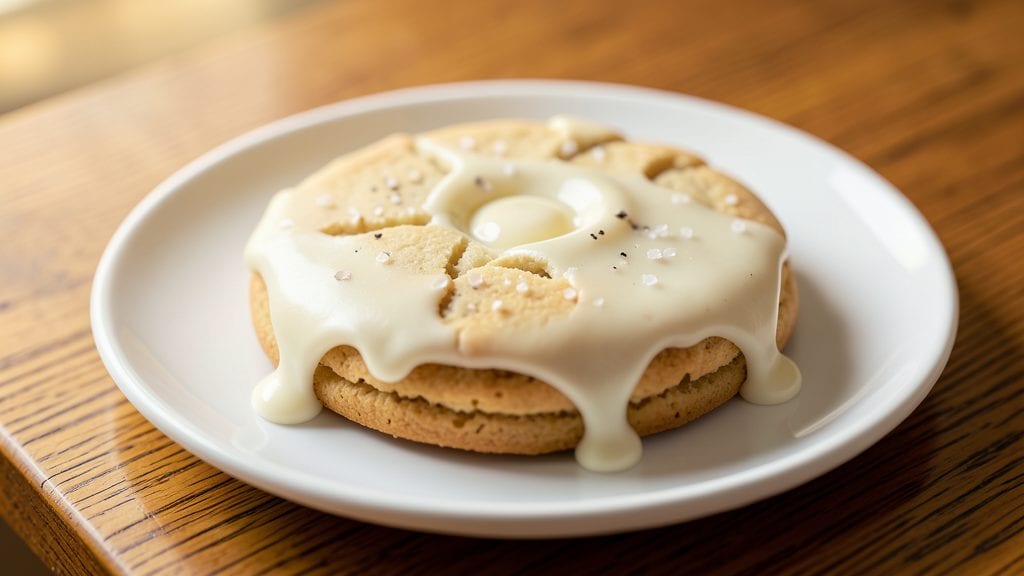
This great American cookie icing recipe—thick, velvety vanilla frosting—turns simple cookies into showstopping treats with its buttery texture and effortless pipeability. 💛 balance for piping rosettes, borders, and filling sandwich cookies.
The secret lies in the precise ratio of butter to powdered sugar, which creates a smooth yet sturdy consistency that holds its shape without cracking.
The recipe uses only five simple ingredients you likely already have: unsalted butter, powdered sugar, vanilla extract, heavy cream, and a pinch of salt. Unlike many buttercream recipes, this version incorporates heavy cream for extra richness and a velvety finish, while the salt enhances the sweetness without overpowering it.
It’s designed to be foolproof—no overmixing, no waiting for tempering, just straightforward steps that yield professional results every time.
What makes this frosting truly special is its versatility—it works equally well for piping intricate designs on sugar cookies, filling thick chocolate sandwiches, or creating elegant cake tiers.
The flavor is pure, buttery vanilla with no artificial aftertaste, and the texture is thick enough to hold its shape when piped but still tender enough to melt slightly in your mouth. Once you try this, store-bought icings will never compare.
Pair it with classic sugar cookies, snickerdoodles, or even brownies for a decadent twist. The recipe makes enough to generously frost a baker’s dozen cookies, and leftovers keep beautifully in the fridge for up to five days. Ready to elevate your cookies to bakery-quality? Let’s get started.
Ingredients for great american cookie icing
Five ingredients transform ordinary cookies into bakery-worthy masterpieces with this foolproof American classic.
| Ingredient | Amount | Notes |
|---|---|---|
| Unsalted Butter 🧈 | 1 lb | Softened to room temperature |
| Powdered Sugar 🍚 | 4 cups | Sifted for smooth texture |
| Pure Vanilla Extract 🍋 | 2 tbsp | Bottled vanilla preferred |
| Heavy Cream 🥛 | ½ cup | Cold, full-fat preferred |
| Fine Sea Salt 🧂 | ¼ tsp | Kosher or Diamond Crystal |
The butter is the foundation—Plugrá or Land O'Lakes unsalted melts perfectly without graininess. Room temperature is critical; cold butter creates lumps, while overly soft butter can cause separation. For best results, let it sit at room temperature for 1-2 hours before mixing. Powdered sugar should be sifted through a fine-mesh sieve to eliminate clumps and ensure a silky finish. I always buy mine in bulk from Whole Foods or Costco—the quality difference is noticeable. Vanilla extract is non-negotiable here; imitation extracts add an artificial aftertaste that ruins the delicate balance.
Heavy cream adds richness and helps achieve that signature velvety texture, but half-and-half works in a pinch if you're short. For a lighter frosting, substitute 2 tbsp whole milk instead of the heavy cream, though the texture will be slightly less stable when piped. Need extra stability? Add 1 tbsp cornstarch to the powdered sugar before sifting—it creates a firmer frosting that holds intricate designs beautifully. The salt is subtle but essential; Diamond Crystal kosher salt dissolves more easily than table salt, so if that's all you have, reduce to 0.125 tsp to avoid over-salting. For a flavored twist, add 1 tsp lemon zest or 1 tsp almond extract alongside the vanilla.
This frosting holds its shape beautifully when chilled—refrigerate for 30 minutes before piping for cleaner lines and sharper rosettes. Store leftovers in an airtight container in the fridge for up to 5 days, though I rarely have any left that long. For longer storage, portion into 1-cup containers and freeze for up to 3 months. Thaw at room temperature before using; microwave bursts can cause separation. The frosting thickens as it sits, so add 1 tsp heavy cream if it becomes too stiff to pipe after refrigeration.
Why You'll Love This Recipe
- Three-Ingredient Whip: I swear by this combo—just softened butter, powdered sugar, and a splash of vanilla. No sifting, no fuss, and the heavy cream ties it all together like magic. My kids think I’m a baking genius, but honestly, it’s foolproof.
- Salted Sweetness Balance: That pinch of fine sea salt? Everything. It cuts through the sugar’s sweetness and makes every bite taste richer. I’ll be real: I’ve tried store-bought icing, but this simple tweak makes it taste like a bakery’s secret.
- Party in a Bowl: Whether it’s for a birthday, holiday cookies, or just because, this icing elevates anything it touches. The butter keeps it smooth, the cream makes it pipeable, and the vanilla? Pure comfort. (Yes, even on a Tuesday night.)
- No-Waste Magic: Make a big batch—it keeps for days in the fridge and freezes like a dream. I’ve iced three sheets of cookies with one batch, and the leftovers? Perfect for sandwiches or frosting a forgotten cake. Budget-friendly and always useful.
Step-by-step instructions for thick vanilla frosting with buttery pipeability
This professional technique transforms simple ingredients into a velvety, pipeable frosting that stays stable in any climate.
👨🍳 Step 1: Whip the Butter to Room Temperature
Place the 1 lb unsalted butter in a stand mixer fitted with the paddle attachment. Beat on medium speed for 3-4 minutes until completely smooth and free of any graininess. The butter should be soft enough to leave a slight indentation when pressed with your finger, but not melted or greasy.
This step is critical—cold butter creates lumps in the frosting, while over-whipped butter leads to a greasy texture. You'll know it's ready when it looks like pale, creamy pudding. If you're in a hurry, microwave the butter in 15-second intervals while stirring between each, but be careful not to overheat it.
🍳 Step 2: Gradually Add Powdered Sugar and Salt
With the mixer running on low speed, gradually add the 4 cups powdered sugar and 0.25 tsp fine sea salt over 3-4 minutes. Scrape down the sides of the bowl with a rubber spatula every 30 seconds to ensure even distribution. This prevents clumping and creates a smooth, silky base.
I've found that adding the sugar too quickly creates a gritty texture, while going too slow can cause the mixture to seize. The key is patience—let the mixer do the work while you monitor the consistency. When finished, the frosting should be thick but still pipeable, with no visible sugar granules.
🥘 Step 3: Incorporate Vanilla and Heavy Cream
Add the 2 tbsp pure vanilla extract and 0.5 cup cold heavy cream to the mixer. Beat on medium-high speed for 2-3 minutes until fully combined and the mixture is light, fluffy, and holds its shape when piped. The cream adds moisture and richness, while the vanilla deepens the flavor profile.
Here's where it gets technical: the frosting should be thick enough to hold its shape on cookies but still soft enough to pipe smoothly. If it's too stiff, add 1-2 teaspoons of milk at a time until it reaches the right consistency. If it's too thin, chill the bowl in the refrigerator for 10 minutes before continuing.
⏰ Step 4: Test and Adjust Consistency
Scoop a small amount of frosting onto a plate and pipe a simple rosette using a piping bag fitted with a round tip. If the frosting spreads too much or collapses, it needs more powdered sugar. If it holds its shape perfectly but feels slightly dry, add 1 tablespoon of heavy cream and re-whip for 1 minute.
The ideal frosting should hold its shape when piped but still be soft enough to spread slightly when you run your finger through it. This balance ensures it's stable enough for decorating but still delicious when eaten. For best results, let the frosting rest in the refrigerator for 30 minutes before using—this allows the flavors to meld and the texture to stabilize.
🔪 Step 5: Pipe and Decorate
Transfer the frosting to a piping bag fitted with your desired tip. For classic American cookies, a round tip or star tip works beautifully. Pipe borders, rosettes, or simple swirls onto your cooled cookies, working quickly to prevent the frosting from warming up and becoming too soft.
Here's a pro tip: if you're working in warm conditions, keep the piping bag in the refrigerator between uses to maintain the frosting's stability. The finished cookies should have a glossy, professional-looking finish with clean edges that hold their shape without melting. Store any leftover frosting in an airtight container in the refrigerator for up to 5 days, or freeze for up to 3 months.
Pro Tips For Making Great American Cookie Icing
- Soften Butter Properly: Take the butter out of the fridge just as you start mixing—room temp is key here. I used to melt it, but that turns the icing into a sticky mess instead of that perfect, smooth spread. You want it soft enough to beat easily, not greasy or crumbly.
- Sift the Sugar First: Skip the clumps—sift that powdered sugar before mixing, even if it looks fine. I learned this after scraping lumps off my spoon mid-icing. A fine mesh strainer takes 30 seconds and guarantees a silky texture, no matter how old the sugar is.
- Whip the Cream Last: Mix the butter, sugar, and vanilla first, then fold in the heavy cream at the very end. Adding it early makes the icing too thin and runny—you’ll regret it when it pools off the cookies. Stir just until combined, like folding in frosting.
- Salt in Stages: Taste the icing after mixing, then add the sea salt gradually—start with half, then adjust. Too much upfront can overpower the sweetness, and you’ll end up with a salty-sweet imbalance. A pinch at a time keeps it balanced.
Make-ahead tips for this recipe
Prep Ahead for Efficiency
Make this frosting 2 days in advance—it actually tastes better after resting as the flavors meld. I store mine in a quart-sized airtight container (like Rubbermaid Brilliance) in the fridge.
The texture becomes slightly firmer, making it perfect for piping intricate designs without spreading. Just give it 10 minutes at room temperature before using to soften slightly. 💪
Cookie Prep Timeline
Bake cookies 1 day ahead and store them in layers separated by parchment paper in an airtight container. This prevents sogginess and gives you time to focus solely on decorating.
For sugar cookies, I brush them with a light egg wash (1 egg yolk + 1 tbsp water) before baking—it adds a subtle sheen and helps the frosting adhere better. Cool completely before frosting to avoid melting.
Frosting Storage Hacks
Divide leftover frosting into 1-cup portions in silicone molds or small containers for easy reheating. To reuse, microwave each portion for 10-15 seconds while stirring until just softened—this prevents overheating which can cause separation.
For longer storage, freeze portions in ziplock bags (lay flat to save space) for up to 3 months. Thaw overnight in the fridge before using.
Decorating Shortcuts
Pre-fill piping bags with frosting and refrigerate them for 30 minutes before decorating—this keeps the frosting stable in warm kitchens. Use a disposable piping bag with a round tip for quick borders, or a star tip for rosettes.
For even faster decorating, pipe frosting onto parchment paper first, then transfer to cookies using a spatula to create clean, professional-looking designs. 🎨
Batch Decorating Tips
Work in 20-minute intervals to maintain frosting consistency. After each batch, refrigerate unused frosting for 10 minutes to reset its texture. Keep a damp paper towel nearby to wipe your piping tip between uses—this prevents clogging.
For large batches, use a stand mixer with a whisk attachment to quickly re-whip any frosting that has thickened during storage.
Freezer-Friendly Cookies
Frost decorated cookies and freeze them on a wire rack for 1 hour to set the frosting, then transfer to an airtight container. This prevents the frosting from melting and makes them perfect for gifting or meal prep.
When ready to serve, let them sit at room temperature for 10 minutes to soften slightly**. The frosting will still hold its shape beautifully but taste fresher than store-bought alternatives. ❄️
Nutrition facts
Frequently asked questions
Can I substitute buttercream for this frosting?
This recipe is specifically designed to be a thick, pipeable buttercream with extra stability thanks to the heavy cream. For a lighter texture, you can replace the 0.5 cup heavy cream with 2 tbsp milk or 1 tbsp water, but it will be slightly less rich and may not hold intricate piping designs as well. For a true buttercream alternative, try adding 1 tbsp cornstarch to the powdered sugar for extra firmness.
Why does my frosting turn grainy?
Graininess usually happens when powdered sugar isn't fully incorporated or when butter isn't properly softened. Always sift the powdered sugar and mix on low speed while gradually adding it. If graininess appears after mixing, beat the frosting on high speed for another 1-2 minutes to break up clumps. Cold butter is the #1 culprit—ensure it's at room temperature before starting.
Can I color this frosting for special occasions?
Use gel food coloring for vibrant hues without altering the frosting's consistency. Start with 1/4 tsp and mix well, then add more gradually. For pastel shades, use 1/2 tsp of white gel coloring first to lighten the base. Avoid liquid coloring—it adds moisture and can make the frosting too thin for piping.
How do I fix frosting that's too thin?
If your frosting spreads too much, simply add 1 tbsp powdered sugar at a time and re-whip for 30 seconds. For a quicker fix, chill the bowl in the fridge for 10 minutes to firm it up. If it's already on cookies, sprinkle extra powdered sugar on top and gently press it in with a spatula, then dust off the excess.
What's the best piping tip for beginners?
Start with a round tip (Wilton #104) for clean borders and simple swirls. For rosettes, try a star tip (Wilton #42). Fill piping bags only 2/3 full** to prevent overflow. Practice on parchment paper first—this helps you control pressure and get comfortable with the technique before decorating your cookies.