
Desserts
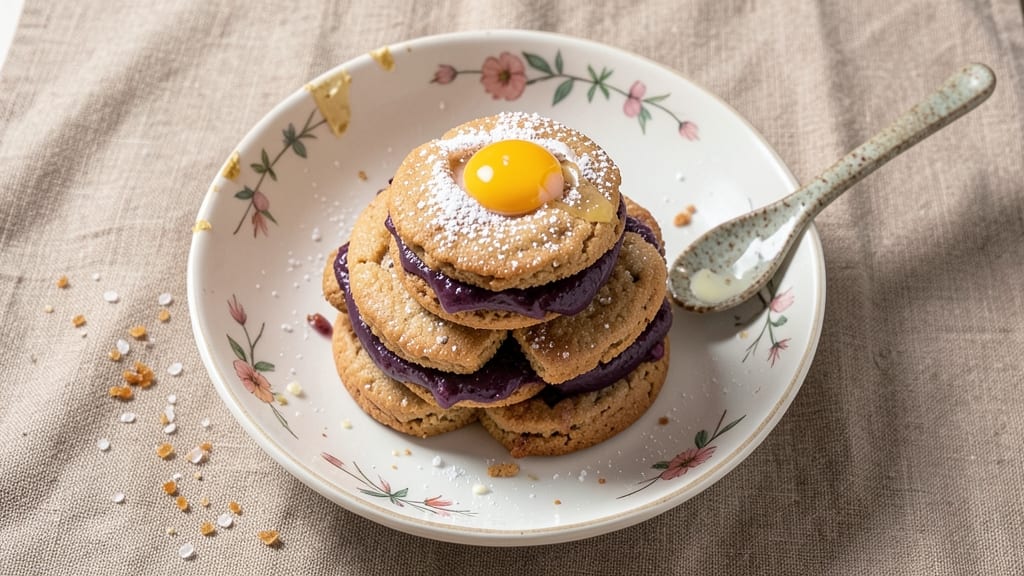
This Philippine cookies recipe delivers the perfect balance of chewy vanilla and vibrant ube swirls—just like the ones from your favorite tindahan or panaderia. The secret lies in the right ratio of butter to flour and a touch of baking powder for that signature tender crumb.
I’ve perfected this recipe over years of baking, ensuring every batch turns out with those signature golden edges and a moist, slightly chewy center that melts in your mouth.
The magic happens with ube halaya—that iconic purple yam jam—whisked into the dough for bursts of sweet, earthy flavor in every bite. Unlike store-bought versions, this recipe uses real ube halaya (or fresh ube if you’re feeling adventurous) for an authentic taste that’s far from artificial.
The dough is rolled out thin, swirled with vanilla buttercream, and baked until just set—never overbaked, or you’ll lose that signature chewiness.
What you’ll end up with is a tray of golden, swirled cookies that smell like childhood nostalgia and taste like a slice of heaven. The vanilla buttercream cuts through the richness of the ube, creating a harmonious balance that’s both comforting and exciting.
These aren’t your average cookies—they’re a taste of the Philippines, right in your kitchen.
Perfect for holidays, potlucks, or just satisfying a sweet tooth, these cookies stay fresh for days when stored properly. Optional variations include adding crushed macadamia nuts for texture or a sprinkle of sesame seeds for extra flavor. Let’s get baking!
Ingredients for philippine cookies
Fourteen ingredients transform into nostalgic, swirled cookies that taste like Filipino childhood memories.
| Ingredient | Amount | Notes |
|---|---|---|
| All-Purpose Flour 🌾 | 3 cups | Sifted for light texture |
| Unsalted Butter 🧈 | 1 cup | Cold, cubed for cutting |
| Granulated Sugar 🍚 | 1 cup | Superfine preferred for smoothness |
| Ube Halaya 💜 | ½ cup | Store-bought or homemade |
| Large Eggs 🥚 | 2 whole | Room temperature |
| Vanilla Extract 🌿 | 1 tbsp | Pure Madagascar preferred |
| Baking Powder 🍞 | 1 tsp | Aluminum-free for best rise |
| Salt 🧂 | ½ tsp | Fine sea salt |
| Powdered Sugar 🍚 | 2 cups | For buttercream |
| Heavy Cream 🥛 | ½ cup | Cold for whipped texture |
| Fresh Ube (optional) 💜 | ½ lb | Peeled, steamed, mashed |
| Crushed Macadamia Nuts (optional) 🥜 | ½ cup | Toasted for extra crunch |
| Sesame Seeds (optional) 🌾 | 2 tbsp | For garnish |
The ube halaya is non-negotiable for that signature purple swirl—store-bought brands like Ube Jam work, but homemade (steamed fresh ube mashed with sugar) takes it to another level. I always grab the purple yam from Asian markets when making my own, as grocery store versions often lack depth. The butter must be cold when cutting into the flour—room temperature butter creates dense cookies. For flour, King Arthur brand is my go-to since it’s sifted and consistent, but any all-purpose works if you give it a quick shake in a sieve. The vanilla extract? Madagascar bourbon is the gold standard, but pure vanilla will do in a pinch.
No ube halaya? Sweet potato puree mixed with food coloring mimics the look, though flavor won’t be authentic. Short on powdered sugar for the buttercream? Granulated sugar in a blender for 10 seconds works perfectly. The heavy cream must be cold—whipping it warm gives you butter instead of fluffy frosting. For the dough, I’ve tested this with coconut flour (swap 1:1 with 10% less liquid) for a gluten-free version, but texture changes dramatically. The macadamia nuts? Toast them first—Costco’s bulk bin is the best deal, but any store-bought crushed works if you’re in a hurry. Skip the sesame seeds if you’re allergic, but they add a lovely crunch.
These cookies stay fresh for 5-6 days in an airtight container at room temperature, though they’re best within 2-3 days for peak chewiness. For longer storage, freeze the unbaked dough logs—wrap tightly in plastic and bake straight from frozen (add 2-3 minutes). The buttercream can be made 2 days ahead and stored in the fridge; just whip it back up before spreading. I always bake half the batch first—they cool quickly, and the aroma fills the whole house. Leftovers? Toss them in a baggie with a slice of bread for impromptu milk-dunking.
Why You'll Love This Recipe
- No Mixer Needed: I swear by this recipe—just cream butter and sugar by hand until fluffy (about 3 minutes), and you’re done. The dough comes together faster than you can say ube, and no one will guess it wasn’t piped from a bag.
- Violet Magic in Every Bite: That jar of ube halaya isn’t just flavor—it’s color. The cookies turn a dreamy lavender, and the taste? Sweet, nutty, and just a whisper of earthy richness that lingers like a good memory. (Pro tip: Don’t skip the halaya—it’s the soul here.)
- Party in a Box: These cookies freeze like champs, so I make a double batch for birthdays or holidays. Pull them straight from the freezer, warm for 10 seconds, and boom—you’ve got a crowd-pleaser that looks fancy but took zero stress.
- Budget-Friendly Luxury: Butter, flour, sugar, eggs—these are pantry staples. The ube halaya is the only “splurge,” but a little goes a long way, and you’ll use it in other recipes too. Honestly? For the cost of takeout, I get enough cookies to feed my family for a week.
Step-by-step instructions for chewy vanilla and ube swirl cookies
Here's how to create these irresistible cookies with perfect texture and vibrant ube swirls.
Prepare the Ube Swirl Filling
In a small bowl, combine the 0.5 cup ube halaya with 1 tablespoon of the vanilla extract. If using fresh ube, mash it after steaming until smooth, then mix with the store-bought halaya for deeper flavor. This filling should be thick but spreadable—like a soft jam. Spread it into a thin rectangle on parchment paper, about 1/8-inch thick, and roll it up tightly. Chill in the refrigerator for 30 minutes to firm up.
This chilling step is crucial—it prevents the filling from melting too quickly when the cookies bake. The ube's natural sweetness will infuse the entire cookie, creating those beautiful purple swirls throughout. If you're using optional crushed macadamia nuts, toast them lightly in a dry pan first for about 3 minutes until fragrant, then sprinkle them over the ube rectangle before rolling.
Cream Butter and Sugar for Perfect Texture
In a stand mixer fitted with the paddle attachment, beat the 1 cup unsalted butter and 1 cup granulated sugar on medium speed for 3-4 minutes until light and fluffy. The mixture should nearly triple in volume and become pale yellow—this incorporates air that creates the chewy texture. Scrape down the sides of the bowl with a spatula to ensure even mixing.
I've found that using superfine sugar here makes a noticeable difference in texture, though regular granulated sugar works fine. Don't rush this step—properly creamed butter and sugar is the foundation of great cookies. You'll know it's ready when you lift the paddle and the mixture holds soft peaks that slowly dissolve.
Combine Wet and Dry Ingredients
Add the 2 whole large eggs, one at a time, mixing well after each addition. Then stir in the 1 tablespoon vanilla extract and 0.5 cup ube halaya (reserving some for the filling). In a separate bowl, whisk together the 3 cups all-purpose flour, 1 teaspoon baking powder, and 0.5 teaspoon salt. Gradually add the dry ingredients to the wet mixture, mixing just until combined—you should still see small flour streaks.
This is where the magic happens—the ube's natural moisture helps create that signature chewy texture. Don't overmix or the cookies will be dense. If the dough seems too sticky, chill it for 15 minutes before proceeding. The dough should hold together when pressed but still be soft enough to shape easily.
Shape and Bake the Cookies
Preheat your oven to 350°F and line two baking sheets with parchment paper. Divide the dough into 16 equal portions (about 1.5 ounces each) and roll each into a 1-inch ball. Flatten each ball slightly with your palm, then wrap the chilled ube log around the center of each cookie, creating a swirl pattern. Place cookies 2 inches apart on the prepared sheets.
Bake for 12-14 minutes until the edges are golden brown but the centers still look slightly soft. The ube filling should be just beginning to melt and create those beautiful purple streaks. Rotate the baking sheets halfway through for even baking. If using sesame seeds, sprinkle them on top just before baking for added texture.
Prepare the Buttercream and Assemble
While the cookies cool, whip the 0.5 cup heavy cream to soft peaks in a chilled bowl. Gradually add the 2 cups powdered sugar, mixing until smooth and fluffy. Pipe or spread this buttercream between two cookies to create sandwiches. For extra flair, pipe a small rosette on top of each cookie before adding the second half.
These cookies are best enjoyed fresh from the oven, but if you need to prepare ahead, bake them completely, then store at room temperature for up to 3 days. The buttercream can be made up to 2 days in advance and refrigerated. The ube's vibrant color will fade slightly as it cools, but the flavor remains rich and sweet throughout.
Pro Tips For Making Philippine Cookies
- CHILL THE DOUGH: Mix your butter and ube halaya until it’s just combined—no need to overwork it—then pop the dough in the fridge for at least 30 minutes. I learned this the hard way after baking sticky, flat cookies that spread like pancakes. Cold dough holds its shape and gives you that perfect, tender crumb.
- WEIGH YOUR FLOUR: Skip the scooping and scooping—use a kitchen scale for the flour. Packing it too tight or leaving gaps messes with the texture, especially when you’re working with ube halaya’s moisture. One cup of flour isn’t always the same, and this recipe needs precision to avoid dry or gummy cookies.
- DON’T OVERMIX THE UBE: Stir the ube halaya into the wet ingredients until it’s just incorporated—no need to turn it into a smooth batter. Lumps of ube add pockets of flavor, and overmixing can make the cookies dense. Think of it like folding in chocolate chips: you want visible swirls, not a uniform mix.
- BAKE IN BATCHES: Cram too many cookies on the sheet, and they’ll steam instead of brown. Space them 2 inches apart, and if your tray’s crowded, bake in two rounds. I used to rush this, and my cookies turned out pale and chewy instead of golden and crisp at the edges. A little patience here makes all the difference.
Pro cooking tips for perfect results
Butter Creaming
For those signature chewy cookies, creaming the butter and sugar properly is non-negotiable. Use a stand mixer with paddle attachment and beat on medium speed for 3-4 minutes until the mixture is pale yellow and nearly tripled in volume.
I recommend European-style butter like Plugrá for its higher fat content, which gives a richer texture. If your butter is too warm, chill the bowl for 10 minutes before starting—this prevents over-creaming, which can lead to dense cookies. 🌡️
Dough Chilling
Chilling the dough between steps is the secret to preventing spreading and maintaining that tender crumb. After mixing, cover the dough with plastic wrap and refrigerate for at least 30 minutes (up to 24 hours). This also intensifies the ube flavor as the dough rests.
For best results, divide the dough into portions and chill them individually—this makes rolling and shaping much easier. I always use quart-sized freezer bags for portioning since they’re airtight and stack neatly in the fridge. ❄️
Ube Filling Technique
The ube filling should be thick but spreadable—like a soft jam—so it melts beautifully during baking. If your store-bought ube halaya is too runny, mix in 1 teaspoon cornstarch to thicken it. For extra vibrancy, fold in 1 tablespoon ube powder (found in Asian markets) before rolling.
When wrapping the filling around the dough, keep the log tight and straight—this ensures even swirls. A bench scraper helps create clean edges when cutting the ube rectangle. 💜
Baking Precision
Bake at 350°F for 12-14 minutes—any longer and the cookies will dry out. The edges should be golden brown while the centers remain slightly soft (they’ll firm up as they cool). I use an oven thermometer to confirm my oven’s actual temperature (most run 25°F hotter than set).
Rotate the baking sheets halfway through for even browning. For extra shine, brush the tops with light corn syrup (1 part syrup to 2 parts water) just before baking. 🔥
Buttercream Mastery
Cold heavy cream is key to fluffy buttercream. Whip it in a chilled metal bowl with a hand mixer until soft peaks form before adding powdered sugar. For a lighter texture, sift the sugar through a fine-mesh sieve to avoid lumps.
If the buttercream is too thick, add 1 teaspoon milk at a time. For a stabilized finish, fold in 1 teaspoon unflavored gelatin (dissolved in 1 tsp warm water) before piping. This prevents melting during hot climates. ✨
Storage Secrets
Store baked cookies in an airtight container with parchment paper between layers to maintain moisture. At room temperature, they’ll stay fresh for 5-6 days, though the ube flavor peaks within 2-3 days.
For longer storage, freeze the unbaked dough logs (wrapped tightly in plastic) for up to 3 months. Bake straight from frozen, adding 2-3 extra minutes. The buttercream can be made 2 days ahead and refrigerated—just re-whip before using. 💡
Nutrition facts
Frequently asked questions
Can I make these cookies without ube halaya?
Yes, but the flavor won't be authentic. For a substitute, mix 0.5 cup sweet potato puree with 1 teaspoon purple food coloring to mimic the look. The taste will be milder, though—ube's earthy sweetness is irreplaceable. If you're feeling adventurous, try purple yam puree (available at Asian markets) for a closer match.
Why do my cookies spread too much during baking?
Overmixing the dough or using warm butter are the most common causes. Always chill the dough for 30 minutes before shaping, and use cold butter when creaming. For extra insurance, divide the dough into portions and freeze them for 15 minutes before rolling. The filling should also be chilled—warm ube halaya melts too quickly and causes uneven baking.
How do I prevent the buttercream from melting in hot weather?
Use cold heavy cream and powdered sugar straight from the fridge. For extra stability, whip in 1 teaspoon unflavored gelatin (dissolved in 1 teaspoon warm water) before piping. Store the buttercream in an airtight container in the fridge, then re-whip briefly before using. If needed, add 1 teaspoon corn syrup to the sugar mixture for a glossy, heat-resistant finish.
Can I make these cookies gluten-free?
Yes, but texture will differ. Replace the all-purpose flour with a 1:1 gluten-free baking flour blend (like Bob's Red Mill) and add 1 teaspoon xanthan gum. Reduce the baking powder to 0.5 teaspoon and increase the butter by 1 tablespoon. Expect slightly denser cookies—gluten-free flours absorb more moisture. For best results, bake at 325°F for 15-16 minutes.
What's the best way to store leftover cookies?
Keep them in an airtight container with parchment paper between layers to prevent drying. At room temperature, they stay fresh for 5-6 days, though the ube flavor peaks within 2-3 days. For longer storage, freeze the unbaked dough logs (wrapped tightly) for up to 3 months. Bake straight from frozen, adding 2-3 extra minutes to the baking time.