
Desserts
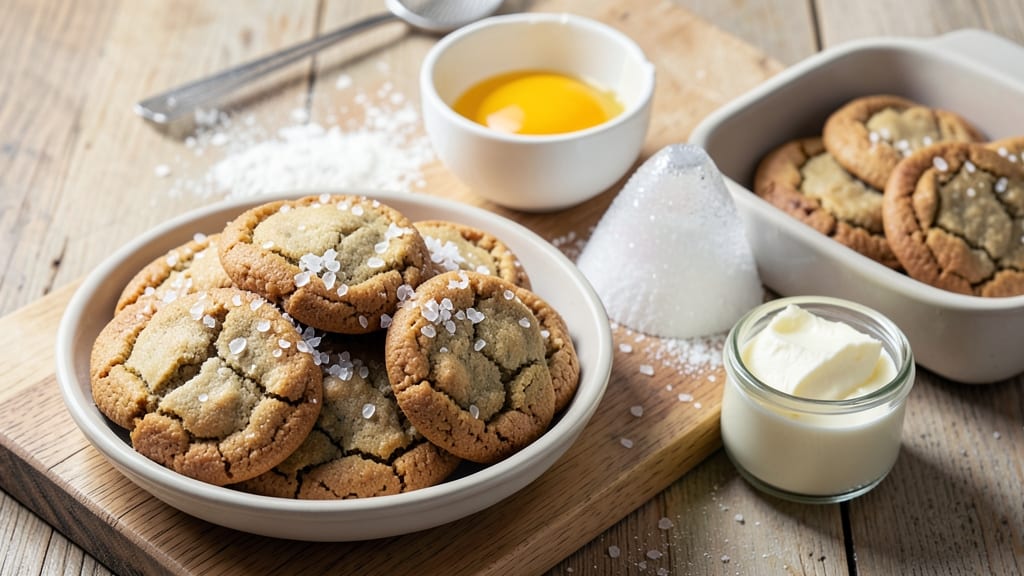
This salted cookies recipe delivers the perfect balance of buttery richness and flaky sea salt crystals that make every bite irresistible. ⚡ The secret lies in cold butter and precise baking techniques that create those signature crisp edges and tender centers—just like your favorite bakery, but with a professional touch.
What sets these cookies apart is the technique: chilling the dough for exactly 30 minutes ensures proper texture, while flaky sea salt crystals add a sophisticated crunch that elevates simple ingredients.
With just five key ingredients—flour, butter, sugar, salt, and eggs—this recipe proves that restaurant-quality cookies are well within reach for home bakers.
By the time they emerge from the oven, you'll have golden, buttery cookies with perfectly caramelized edges and pockets of melted salt that melt into every bite.
The aroma alone will transform your kitchen into a bakery, and the contrast of soft dough with crispy salt creates a texture that's impossible to resist.
Whether you're baking for a holiday gathering or treating yourself to a midweek indulgence, these cookies deliver flaky perfection every time. Pair them with milk, coffee, or enjoy them plain—just don't blame me if they disappear faster than you can say "batch two."
Ingredients for salted cookies
Five simple ingredients transform into golden, buttery cookies with crisp edges and salty crunch.
| Ingredient | Amount | Notes |
|---|---|---|
| Unsalted Butter 🧈 | 2 cups | Cold, cubed for flaky texture |
| Granulated Sugar 🍚 | 1 cup | Superfine preferred for smoothness |
| Large Eggs 🥚 | 2 whole | Room temperature for even mixing |
| All-Purpose Flour 🌾 | 3 cups | Sifted for light crumb structure |
| Diamond Crystal Kosher Salt 🧂 | ½ tsp | For dough, not flaky salt |
| Flaky Sea Salt Crystals 🧂 | ¼ cup | Maldon preferred for texture |
| Vanilla Extract 🍯 | 1 tsp | Pure almond or bourbon preferred |
| Baking Soda 🧪 | ¼ tsp | Ensures proper rise |
The butter is non-negotiable—use unsalted and take it straight from the fridge. I always grab Plugrá or Land O'Lakes from the dairy case, not the tubs. The flaky sea salt crystals? Maldon is the gold standard, but Jacobsen works too. If you can't find either, coarse kosher salt in a pinch, but it won't be as elegant. The flour matters too—King Arthur or Gold Medal give the best texture. Sift it before measuring to avoid dense cookies.
No vanilla extract? Vanilla bean paste works 1:1, or 1/4 tsp vanilla sugar if you're desperate. Short on baking soda? Baking powder at half the amount can substitute, but the flavor won't be identical. The sugar can be swapped for light brown sugar, but superfine is ideal for that bakery-style smoothness. If you're making these for a crowd, double the batch—they disappear fast. Chill the dough for exactly 30 minutes (no more, no less) for that perfect texture.
Store dough scraps in an airtight container for 3 days—just roll and bake straight from the fridge. Cookies keep at room temperature for 5 days in a sealed tin, but they're best fresh. Freeze baked cookies for 3 months—thaw at room temperature before serving. I always bake an extra dozen. They're impossible to resist, and milk or coffee makes them even better.
Why You'll Love This Recipe
- These work for everything: a last-minute gift basket, a coffee break with coworkers, or a midnight craving. (Yes, even on a Tuesday night.) The dough keeps well, so I often double the batch—no stress, just more cookies.
- No Fuss, Big Payoff: I swear by this recipe because it’s the kind of baking that doesn’t demand perfection—just a bowl, a spoon, and 15 minutes of mixing. The butter stays cold, the dough comes together without overworking, and the kosher salt flakes melt into those cracks like magic.
- Crunchy-Salty Magic: That first bite? Pure contrast—soft, buttery center with a shatteringly crisp edge, all thanks to the flaky salt. Honestly, I’ll take these over any fancy cookie any day. The eggs add richness, but the salt? It’s the star.
- Holiday or Snack Attack: These work for everything: a last-minute gift basket, a coffee break with coworkers, or a midnight craving. (Yes, even on a Tuesday night.) The dough keeps well, so I often double the batch—no stress, just more cookies.
Step-by-step instructions for salted cookies with buttery crunch
Here's how to create perfectly flaky, buttery cookies with that signature crunch of sea salt crystals.
👨🍳 Step 1: Cut and Cream Cold Butter with Sugar
The secret to flaky texture starts with cold, cubed butter. Cut the 2 cups unsalted butter into small cubes and place them in the freezer for 10 minutes to firm up. In a stand mixer fitted with the paddle attachment, beat the cold butter cubes with the 1 cup granulated sugar on low speed until just combined—about 1 minute. You'll see small butter pieces still visible.
Here's the thing—using cold butter creates steam pockets when baking, which gives those signature flaky layers. If your butter gets too soft, the cookies will spread too thin. I like to keep the mixer speed low to prevent melting the butter prematurely. Watch closely for those tiny butter cubes to soften slightly but not disappear completely.
👨🍳 Step 2: Add Eggs and Vanilla for Moisture Balance
Add the 2 whole large eggs one at a time, mixing on low speed for 30 seconds after each addition. This gradual incorporation prevents the delicate egg whites from overmixing. Stir in the 1 teaspoon vanilla extract until fully combined. The mixture should look slightly shaggy but hold together when pressed.
Room temperature eggs work best here—they emulsify more evenly with the cold butter. If your eggs are straight from the fridge, let them sit at room temperature for 15 minutes beforehand. This step ensures your dough will be smooth and cohesive without being greasy. The vanilla adds depth that complements the buttery richness perfectly.
👨🍳 Step 3: Combine Dry Ingredients for Light Structure
In a separate bowl, whisk together the 3 cups all-purpose flour, 0.5 teaspoon diamond crystal kosher salt, and 0.25 teaspoon baking soda. Gradually add this dry mixture to the butter-sugar-egg mixture, mixing on low speed just until combined—about 1 minute. The dough should come together but still look slightly crumbly.
Don't overmix here—you're looking for a dough that holds when pressed but still shows some texture. The baking soda ensures proper rise while the kosher salt balances the sweetness. If your dough feels too dry, add 1 tablespoon cold water at a time until it just comes together. The key is maintaining that cold butter texture throughout the mixing process.
🥘 Step 4: Fold in Sea Salt Crystals for Signature Crunch
Remove the dough from the mixer and, using a silicone spatula, gently fold in half of the 0.25 cup flaky sea salt crystals. Be careful not to overwork the dough—just distribute those crystals evenly throughout. Divide the dough into 24 equal portions (about 1.5 ounces each) and roll each into a ball. Sprinkle the remaining sea salt crystals over a parchment-lined baking sheet.
Here's where the magic happens: those Maldon sea salt crystals will melt slightly during baking, creating pockets of intense saltiness that contrast beautifully with the buttery sweetness. I like to space the dough balls about 2 inches apart on the sheet—they'll spread slightly during baking. For extra flaky texture, gently press down on each dough ball with your palm before baking.
🔥 Step 5: Bake to Golden Perfection with Crisp Edges
Preheat your oven to 350°F and bake the cookies for 12-14 minutes until the edges are golden brown but the centers still look slightly underdone. They'll continue cooking on the hot baking sheet after you remove them from the oven. The key is watching for that perfect balance—edges should be crisp while centers remain soft and chewy.
I know it seems counterintuitive, but don't overbake. You want those cookies to pull away slightly from the parchment when you lift the sheet. Let them cool on the baking sheet for 5 minutes before transferring to a wire rack. The residual heat will help set the cookies while maintaining that perfect texture. Serve warm for maximum enjoyment—each bite delivers that buttery crunch with a satisfying salt punch.
Pro Tips For Making Salted Cookies
- Cream Butter Slowly: I used to dump cold butter straight into the sugar and wonder why my dough stayed doughy. Instead, soften the butter to room temp (it should dent but not melt), then beat it with the sugar for 3-4 minutes until it’s pale and fluffy—like a cloud. That’s when the fat emulsifies properly, giving you that signature tender crunch.
- Measure Salt Precisely: Diamond Crystal kosher salt is not table salt—1 teaspoon of table salt equals 2 teaspoons of kosher. If you eyeball it, your cookies will taste either bland or like they’ve been dunked in a salt shaker. Weigh it out or use the tip of a knife to level it off for consistent flavor every time.
- Chill Dough Twice: The first chill (30 minutes) firms up the dough so it’s easier to handle, but the second chill (overnight in the fridge) is what makes the difference. Cold dough spreads less, crisps better, and develops deeper flavor. Skip this, and you’ll end up with sad, flat discs that taste more like a sad Tuesday.
- Bake One Sheet: Overcrowding the tray = uneven baking and soggy bottoms. Arrange your cookies with at least 2 inches between them—yes, even if it means two batches. The heat needs room to circulate, or you’ll spend 10 minutes rotating pans and still have pale centers. Trust me, your future self will thank you.
Storing and reheating this salted cookies
Room Temperature Storage
Store your salted cookies in an airtight metal tin or glass container at room temperature for up to 5 days. The metal tin preserves freshness best, but a Rubbermaid Brilliance container works too.
Keep them away from direct sunlight or heat sources—they'll stay crisp longer. I like to layer parchment paper between batches to prevent sticking. 🧈
Fridge Preservation
For longer freshness, refrigerate cookies in an airtight container for up to 7 days. The cold temperature maintains crispness, but they'll soften slightly when brought back to room temperature.
I recommend portioning into single-serving bags for easy grab-and-go treats. Just let them sit at room temperature for 10 minutes before enjoying—this revives their texture beautifully.
Freezer Storage Tips
Freeze baked cookies for up to 3 months in a single layer on a parchment-lined tray before transferring to a freezer-safe bag. This prevents moisture buildup that causes soggy textures.
Thaw at room temperature for 30 minutes or reheat in the oven at 300°F for 3-5 minutes to restore crispness. I always freeze extras—they're perfect for last-minute gifts or late-night cravings. ❄️
Reheating Methods
For best results, reheat cookies in a 350°F oven for 2-3 minutes—just until warmed through. This reactivates the crisp edges without overcooking. A toaster oven works too, but watch closely to avoid burning.
Microwave reheating is possible (10-second bursts), but it often makes cookies gummy. Always reheat on a parchment-lined tray to prevent sticking.
Dough Storage Secrets
Unbaked dough can be stored in an airtight container in the fridge for 3 days or frozen for 3 months. When ready to bake, let dough sit at room temperature for 15 minutes before shaping.
I often make a double batch and freeze half—just roll and bake straight from frozen for 15-17 minutes. The cold dough creates extra flaky layers when baked. 💡
Texture Revival Tricks
If cookies lose crispness, pop them in the oven at 325°F for 1-2 minutes to refresh. For extra crunch, sprinkle with flaky sea salt right after reheating. I keep a small bag of Maldon salt on hand specifically for this purpose.
The salt not only adds flavor but also helps restore that signature crunch. Store reheated cookies in a paper bag to maintain crispness longer than plastic containers.
Nutrition facts
Frequently asked questions
Why do these salted cookies need cold butter?
Cold butter creates steam pockets during baking, which gives those signature flaky layers. If your butter gets too soft, the cookies will spread too thin and lose their signature texture. Always keep it chilled until mixing—this is the secret to professional results!
Can I substitute regular salt for flaky sea salt crystals?
You can use coarse kosher salt in a pinch, but flaky sea salt like Maldon adds a completely different texture. The crystals melt slightly during baking, creating pockets of intense saltiness that contrast beautifully with the buttery sweetness. For best results, invest in a small bag of Maldon—it makes all the difference!
How do I fix cookies that spread too much?
Over-spreading usually means your butter was too warm or your dough wasn't chilled long enough. Next time, chill the dough for exactly 30 minutes and make sure your butter is properly cold. For already-baked cookies, try reheating them in the oven at 325°F for 1-2 minutes to restore some crispness.
Can I make these cookies without eggs?
Yes! Replace the eggs with 2 tablespoons melted coconut oil + 2 tablespoons water or 1/4 cup unsweetened applesauce. For best texture, let the dough rest for 15 minutes after mixing to allow the substitutes to bind properly. The flavor won't be identical, but they'll still be delicious.
What's the best way to serve these cookies?
Serve them warm with a glass of cold milk or black coffee for the perfect contrast. For a fancy touch, arrange them on a platter with fresh berries or a scoop of vanilla ice cream. The saltiness pairs beautifully with rich, creamy desserts too—think chocolate ganache or whipped cream!