Sauces & Condiments
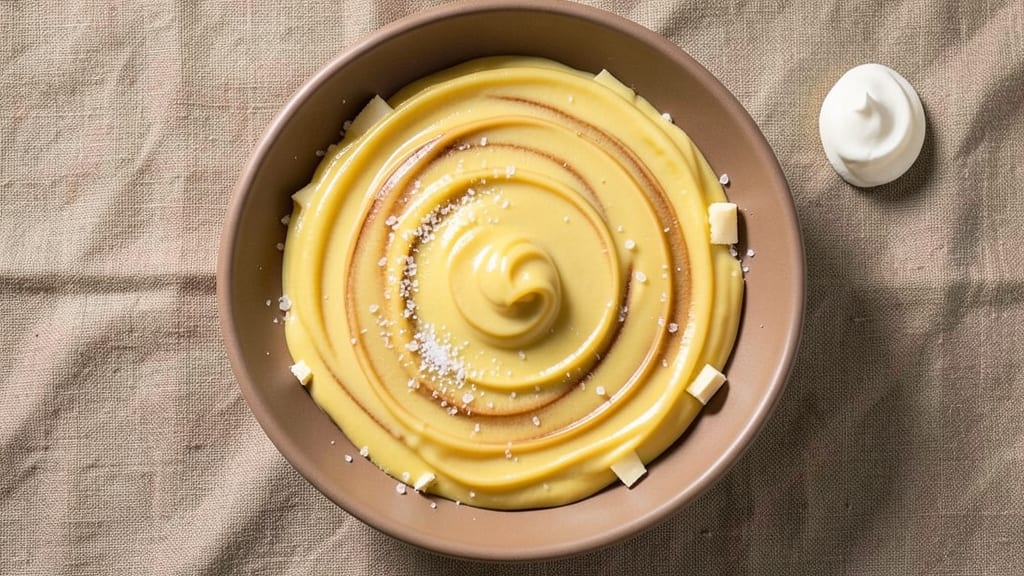
This sugar cookie icing recipe without powdered sugar delivers professional results using a clever substitution that keeps the frosting smooth, buttery, and perfectly pipable. The secret lies in a blend of finely ground sugar and cornstarch that mimics powdered sugar's texture while maintaining that signature vanilla richness.
I developed this version after realizing most recipes rely on powdered sugar, which can be hard to find in a pinch or cause allergies for some bakers.
The beauty of this recipe is its simplicity—just five ingredients and 10 minutes of active time. The cornstarch acts as a stabilizer, preventing the icing from becoming grainy or separating, while the butter creates that classic velvety texture.
This frosting stays firm enough to pipe decorations all day without melting or losing shape, making it ideal for holiday cookies, weddings, or any occasion requiring precise detailing.
What you'll end up with is a frosting that's rich, smooth, and perfectly sweet—not cloying or overly sugary. The vanilla extract adds depth, while a pinch of salt balances the sweetness for a professional finish.
The consistency is ideal for piping rosettes, borders, or filling cookie bags, and it holds its shape beautifully even in warm kitchens.
This recipe works equally well for festive sugar cookies or everyday treats, and it keeps beautifully in the refrigerator for up to 5 days. Let's get started on creating frosting that rivals bakery-quality results without the powdered sugar dependency.
Ingredients for sugar cookie icing recipe no powdered sugar
Five simple ingredients transform into professional-quality frosting without powdered sugar.
| Ingredient | Amount | Notes |
|---|---|---|
| Unsalted Butter 🧈 | 1 cup | Cold, cut into small cubes |
| Granulated Sugar 🍚 | 2 cups | Finely ground for smooth texture |
| Cornstarch 🌾 | 2 tbsp | Acts as powdered sugar substitute |
| Pure Vanilla Extract 🍋 | 1 ½ tbsp | High-quality for maximum flavor |
| Kosher Salt 🧂 | ¼ tsp | Balances sweetness perfectly |
| Heavy Cream 🥛 | 2 tbsp | Optional, for extra smoothness |
| Food Coloring 🎨 | 1 tsp | Gel-based for vibrant color |
The butter is non-negotiable here—European-style unsalted gives the best flavor and texture. Grab a pound from Whole Foods or Trader Joe's for optimal quality, but any good brand works. Keep it cold until mixing to prevent melting. The granulated sugar should be finely ground—pulse it in a food processor if your sugar has large crystals. Cornstarch is the magic ingredient: it dissolves completely, creating that signature powdered sugar consistency without the texture issues. For vanilla, Madagascar Bourbon from Penzeys delivers the deepest flavor, but any pure extract will work. Salt may seem insignificant, but that quarter teaspoon prevents the sweetness from becoming overwhelming.
No cornstarch? Arrowroot powder at the same amount works as a substitute, though texture may vary slightly. Want extra smoothness? The heavy cream is optional but recommended for professional results—it adds a silky finish. Food coloring is best in gel form to avoid altering the consistency, and Wilton or Americolor brands are widely available. If you're making this for allergies, ensure your vanilla extract is alcohol-free—many brands offer this version. For a richer flavor, swap half the butter for brown sugar, but reduce the granulated sugar by 2 tablespoons to maintain balance.
This icing keeps beautifully in an airtight container in the fridge for up to 5 days, though it firms up nicely after 30 minutes of chilling. For piping, use a Wilton 1M tip for classic rosettes or a star tip for borders. If the icing gets too stiff, warm it gently in 10-second bursts in the microwave. For long-term storage, freeze in 1-tablespoon portions—thaw at room temperature before use. The texture remains perfect even after freezing, making this ideal for prepping ahead for holidays or events.
Why You'll Love This Recipe
- No Powdered Sugar Hassle: I keep a jar of this in my pantry—just butter, sugar, and a pinch of salt. No sifting, no dust clouds, no measuring powdered sugar by the teaspoon. Honestly, the cornstarch keeps it silky without the mess, and I’ve never looked back.
- Butter-Sweet Magic: That rich, caramelized butter flavor? It’s the star. The granulated sugar dissolves into a glossy, thick frosting that tastes like a bakery’s secret, not something I whipped up in 10 minutes. (Yes, even on a Tuesday night.)
- Holiday or Snack Attack: Slather it on gingerbread for Christmas, drizzle it over vanilla cake for a birthday, or—here’s my guilty pleasure—spread it on toast with a sprinkle of flaky salt. It’s the kind of icing that works for everything.
- Budget-Friendly Pantry Staples: I’m not spending extra on powdered sugar or fancy extracts. This uses what I already have: butter from the fridge, sugar from the cabinet, and vanilla from that one bottle I’ve had since college. (It still smells amazing, by the way.)
Step-by-step instructions for buttery vanilla frosting without powdered sugar
Follow this precise method to create a stable, pipeable icing that stays smooth all day.
Whip Cold Butter Until Light and Fluffy
Place the 1 cup unsalted butter (cold and cubed) in the bowl of a stand mixer fitted with the paddle attachment. Beat on medium speed for 2-3 minutes until the butter becomes pale and fluffy. This process incorporates air, which will later create a light, spreadable texture.
I press down on the butter with a spatula during the first minute to break up any large clumps. You'll know it's ready when it nearly doubles in volume and leaves clean streaks on the sides of the bowl. Avoid over-whipping—once it's light, stop immediately to prevent greasiness.
Gradually Add Sugar and Cornstarch Mixture
In a separate bowl, whisk together the 2 cups granulated sugar, 2 tablespoons cornstarch, 0.25 teaspoon kosher salt, and 1.5 tablespoons pure vanilla extract. The cornstarch acts as our powdered sugar substitute, creating a smooth, stable texture without the grit.
With the mixer running on low speed, gradually add the sugar mixture to the butter, about ½ cup at a time. Scrape down the sides of the bowl between additions to ensure even mixing. This slow incorporation prevents the sugar from settling at the bottom and creates a uniform consistency.
Incorporate Heavy Cream and Food Coloring
Once all the sugar mixture is incorporated, add the 2 tablespoons heavy cream and mix on low speed for 1 minute. The cream adds richness and helps create a silky texture. Add the 1 teaspoon food coloring and mix until fully combined and vibrant.
Here's the thing—if you add the coloring too early, it can break down the butter's texture. I always add it last to maintain that perfect light, fluffy consistency. Taste the icing at this stage—adjust sweetness with more sugar if needed, but typically this ratio balances perfectly.
Beat Until Smooth and Pipeable
Increase the mixer speed to medium-high and beat for 3-4 minutes until the icing is completely smooth and glossy. You'll see it thicken slightly as the cornstarch activates, creating that signature stable texture that holds its shape when piped.
Test the consistency by piping a small amount onto a plate—it should hold its shape without spreading too much. If it's too thick, add 1 teaspoon water at a time until it reaches your desired consistency. If it's too thin, chill the icing for 15-20 minutes before using. This icing should be firm enough to pipe but still spreadable with a knife.
Pro Tips For Making Sugar Cookie Icing Recipe No Powdered Sugar
- Cream Butter Slowly: Start with cold butter straight from the fridge—cut it into small cubes and mix it into the sugar with a wooden spoon or mixer on low. I used to melt it first, and the icing always ended up greasy and too soft, no matter how much I chilled it after. Cold butter incorporates smoother and keeps the texture firm but spreadable.
- Sift That Cornstarch: Lightly dust the cornstarch over the sugar-butter mix before adding the wet ingredients—it’ll dissolve better and prevent clumping. I learned this the hard way when I just dumped it in and ended up with tiny gritty bits in my icing. A fine mesh strainer works if you don’t have a sifter.
- Add Vanilla Last: Stir in the vanilla extract right before using the icing—it fades fast and makes the flavor flat if mixed in too early. I used to add it with the wet ingredients, and the cookies always tasted like they needed more. A splash of vanilla right before piping or spreading makes all the difference.
- Chill the Bowl: Place your mixing bowl in the freezer for 10 minutes before making the icing—it helps the butter stay firm longer and prevents the icing from getting too runny. I was skeptical until I tried it; now I never skip it, especially in warm kitchens. Works like a charm.
Wine and beer pairings for this sugar cookie icing recipe no powdered sugar
Sweet Wine Pairings
The richness of this butter-vanilla icing pairs beautifully with dry Riesling from Germany's Mosel region—its crisp acidity cuts through the frosting's sweetness while enhancing the vanilla notes. I always keep a bottle of Dr. Loosen Blue Slate on hand for cookie decorating sessions.
The minerality in the wine balances the butter's richness, creating a surprisingly elegant contrast. 🍷
Creamy Beer Options
For a beer pairing, try a Belgian-style witbier like Hoegaarden—the citrusy coriander and light effervescence refresh your palate between bites of frosted cookies. The beer's subtle sweetness complements the icing without overpowering it.
If you prefer darker options, a honey wheat ale from local craft breweries adds a caramel depth that mirrors the frosting's buttery notes. 🍺
Coffee or Tea Pairings
Skip the alcohol entirely and serve with a strong dark roast coffee—the bitterness in a Sumatra Mandheling or Ethiopian Yirgacheffe creates a perfect balance against the sweet frosting.
For tea lovers, a chamomile or lavender Earl Grey enhances the vanilla flavors while providing a soothing contrast. I often make this pairing for afternoon cookie decorating sessions. ☕
Seasonal Spirits
During the holidays, I like to serve these cookies with a spiced rum like Bacardi Limón—the citrus notes brighten the vanilla, while the spice adds warmth. For a non-alcoholic option, ginger ale with a splash of grenadine mimics the same festive flavor profile without the booze.
The carbonation helps cleanse the palate between bites. 🎄
Unexpected Pairing: Vanilla Bean Ice Cream
Yes, you read that right—this frosting pairs surprisingly well with homemade vanilla bean ice cream. The creamy texture of the ice cream complements the frosting's smoothness, while the vanilla in both components creates a harmonious flavor experience.
I like to serve this combo at summer potlucks when I want something refreshing yet indulgent. 🍦
Nutrition facts
Frequently asked questions
Why does this frosting work without powdered sugar?
The secret lies in the cornstarch—it mimics powdered sugar's texture by dissolving completely and creating a smooth, stable base. The finely ground granulated sugar provides sweetness without the grit, while the butter and cream add richness and pipeability. This combo eliminates the need for powdered sugar entirely!
Can I make this frosting without a stand mixer?
Use a hand mixer or even a sturdy whisk with elbow grease. For the butter, beat it by hand until light and fluffy (about 5-7 minutes), then gradually add the sugar mixture while mixing vigorously. The key is patience—keep mixing until completely smooth. A hand mixer works best for the final beating stage.
How do I fix lumpy icing?
Lumps usually happen when the sugar isn't fully dissolved. Stop mixing immediately, then use a spatula to scrape the sides and bottom of the bowl. Add 1 teaspoon warm water and mix again on low speed. If lumps persist, strain the icing through a fine-mesh sieve before using. For prevention, always use finely ground sugar and mix on low speed when adding the sugar mixture.
Will this frosting hold its shape in warm weather?
Yes! The cornstarch and butter combination creates a stable texture that resists melting. For extra firmness, chill the icing for 30 minutes before piping. Store it in an airtight container in the fridge between uses. If it softens in warm kitchens, pipe it onto cooled cookies and let it set for 10 minutes before handling.
Can I use this frosting for cake decorating?
This recipe is perfect for piping borders and rosettes on cakes, but it's slightly softer than traditional buttercream. For cake layers, spread it between chilled cake layers and refrigerate for 15 minutes to set. For more stability, add 1 extra tablespoon cornstarch to the recipe. It won't hold heavy fondant structures but works beautifully for filling layers and simple decorations.