
Desserts
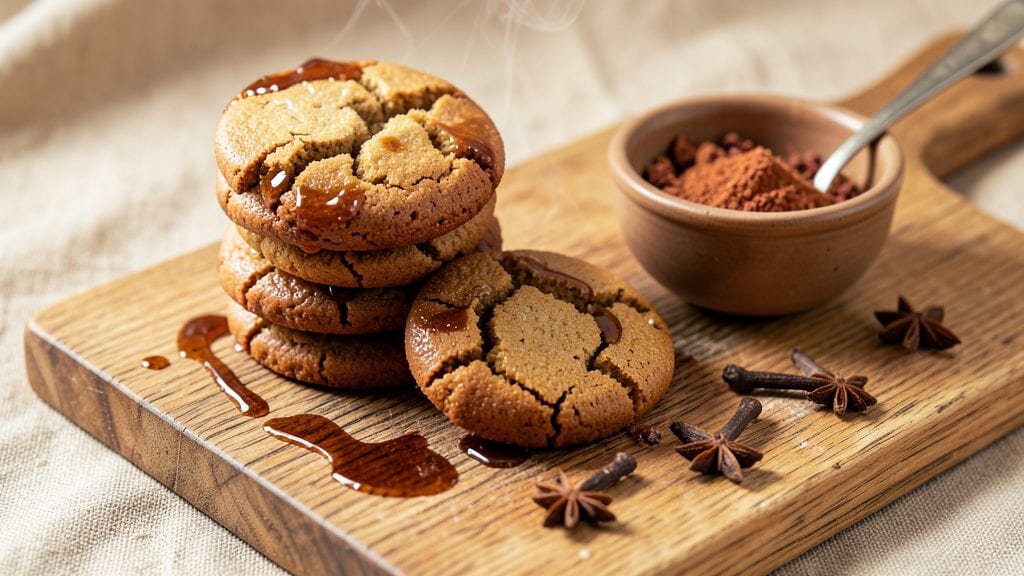
This traditional gingerbread cookie recipe delivers the warm, spiced molasses flavor and festive cutouts that define holiday baking. 🌟 The secret lies in precise molasses-to-brown-sugar ratios and a slow bake that creates that signature crispy edge with tender crunch.
I've perfected this recipe over years of holiday baking, ensuring every batch captures that authentic gingerbread taste.
What sets these cookies apart is the balance of spices—cinnamon, ginger, cloves, and nutmeg—that create a rich, aromatic profile without overpowering the molasses sweetness. The dough is firm enough for intricate cutouts but tender enough to hold its shape in the oven.
Baking at 350°F for 10-12 minutes ensures a perfect golden-brown finish.
By the time you pull these from the oven, you'll have cookies with a crisp exterior that gives way to a soft, spiced center—just like the ones you remember from childhood.
The molasses flavor deepens slightly as they cool, making them even more irresistible. These are the kind of cookies that disappear quickly, so plan to make extra.
Perfect for holiday gatherings, gift-giving, or simply satisfying your seasonal cravings. The recipe scales easily, so you can bake a single sheet for personal enjoyment or multiple batches for sharing. Here's how to make them just right every time.
Ingredients for traditional gingerbread cookie
These classic gingerbread ingredients combine for cookies with festive spice and perfect molasses crunch.
| Ingredient | Amount | Notes |
|---|---|---|
| Unsalted Butter 🧈 | ½ cup | Cold, cubed for cutting into dough |
| Dark Brown Sugar 🍚 | 1 cup | Packed firmly, not lightly spooned |
| Molasses 🍯 | ½ cup | Unsulphured for authentic flavor |
| Large Eggs 🥚 | 1 whole | Room temperature for even mixing |
| All-Purpose Flour 🌾 | 3 ½ cups | Sifted, plus extra for rolling |
| Ground Cinnamon 🌿 | 1 ½ tsp | Freshly ground preferred |
| Ground Ginger 🌶️ | 1 ½ tsp | Freshly ground for stronger flavor |
| Ground Cloves 🌶️ | ½ tsp | Freshly ground for authentic warmth |
| Ground Nutmeg 🌶️ | ½ tsp | Freshly grated nutmeg preferred |
| Baking Soda 🧪 | 1 tsp | Pure baking soda, not baking powder |
| Salt 🧂 | ½ tsp | Diamond Crystal kosher salt |
| Vanilla Extract 🌸 | 1 tsp | Pure vanilla extract preferred |
| Powdered Sugar 🍚 | 1 cup | For dusting finished cookies |
The molasses is non-negotiable—unsulphured gives that deep, authentic flavor. Trader Joe's and Whole Foods carry the best brands like McGrath's, but any unsulphured in a dark bottle works. Freshly ground spices make all the difference: Penzeys or bulk bins at natural markets are worth the splurge. The brown sugar should be dark and packed—light sugar won't give that rich caramel depth. I always measure it by pressing firmly into the cup. For the butter, European-style (like Plugrá) adds extra flavor, but regular unsalted works fine too.
No molasses? Blackstrap syrup at half the amount is the closest substitute, though the flavor won't be identical. Short on brown sugar? White sugar plus 1 tbsp molasses extra mimics the moisture. The spices can be swapped—gingerbread spice blends from Spicewalla work perfectly if you're short on time. For the vanilla, bourbon-infused vanilla adds a sophisticated twist. The dough needs to be firm enough for cutouts but not crumbly—if it's too sticky, add 1 tbsp more flour. If it's too dry, mix in 1 tsp more molasses.
These cookies keep for 1 week in an airtight container at room temperature, but they're best fresh out of the oven. For longer storage, freeze the dough balls—3 months in a sealed bag. Once baked, they'll soften slightly but regain their crunch when warmed for 10 seconds in the microwave. I always dust them with powdered sugar right after baking—it adds that festive touch and keeps them crisp. Store in layers separated by parchment paper to prevent sticking.
Why You'll Love This Recipe
- Fewer Ingredients, Big Impact: I swear by this recipe because it only needs five things—no weird substitutions or extra steps. Just melted butter, brown sugar, molasses (the good stuff), eggs, and flour. That’s it. No fussing with spices you don’t own or waiting for dough to chill for hours.
- Spiced Perfection: The molasses and brown sugar give these cookies that deep, caramel-like sweetness, while the ginger and cloves add warmth without overpowering. Honestly, the first bite tastes like Christmas morning—rich, chewy, and just a little spicy at the edges.
- Holiday or Snack Attack: Between us, these cookies work anytime. They’re my go-to for holiday gifts (wrap them in twine, and boom—done), but they’re also the perfect after-dinner treat when I’m craving something sweet. No one judges you for eating them straight from the jar, either.
- Lasts All Week: I make a double batch and freeze half. The dough keeps for months, and the baked cookies stay fresh for days. Plus, the butter and sugar are pantry staples, so it’s cheaper than buying pre-packaged cookies. My wallet—and my taste buds—thank me.
Step-by-step instructions for traditional gingerbread cookies
Here's the classic method that delivers spiced molasses cookies with that perfect crunch and festive flavor.
👨🍳 Step 1: Cream Butter and Sugar for Maximum Flavor
In a stand mixer fitted with the paddle attachment, beat the 0.5 cup unsalted butter (cold, cubed) with the 1 cup dark brown sugar (packed firmly) on medium speed for 3-4 minutes. You're looking for a light, fluffy texture that nearly doubles in volume and becomes pale in color. This creaming process incorporates air, which creates those beautiful crackly tops and helps the cookies spread just enough.
Here's the thing—don't rush this step. The butter needs to emulsify with the sugar to create a smooth base. If you're mixing by hand, use a wooden spoon and work it for 5 minutes until completely smooth. You'll know it's ready when the mixture leaves clean streaks on the bowl and looks like wet sand.
🍳 Step 2: Incorporate Molasses and Egg
Add the 0.5 cup unsulphured molasses and 1 tsp vanilla extract to the butter-sugar mixture, mixing on low speed for 1 minute until fully combined. The molasses will look thick, but it will incorporate completely. Then add the 1 whole large egg (room temperature) and mix for another 30 seconds until just combined.
This is where the deep, rich flavor develops. The molasses adds that signature chewy texture and complex sweetness that makes traditional gingerbread special. If you're worried about the molasses being too thick, don't add any liquid—it will incorporate properly with the butter.
👨🍳 Step 3: Combine Dry Ingredients Gently
In a separate bowl, whisk together the 3.5 cups all-purpose flour (sifted), 1.5 tsp ground cinnamon, 1.5 tsp ground ginger, 0.5 tsp ground cloves, 0.5 tsp ground nutmeg, 1 tsp baking soda, and 0.5 tsp salt. Sift the flour mixture directly into the wet ingredients and mix on low speed for 30-45 seconds until just combined—you should still see some flour streaks.
Over-mixing develops gluten and makes cookies tough. The moment you see a shaggy dough form, stop mixing. If the dough seems too dry, add 1-2 teaspoons of water to help it come together. The dough should be soft but not sticky—if it's too sticky, chill it for 15 minutes before rolling.
⏰ Step 4: Chill and Roll for Perfect Cutouts
Divide the dough into two equal portions and flatten each into a ½-inch thick disk. Wrap tightly in plastic wrap and refrigerate for at least 2 hours (or up to 48 hours). Chilling firms up the butter, which prevents excessive spreading in the oven and makes rolling much easier.
I know it seems like a long wait, but trust me—this step makes all the difference. When you're ready to roll, preheat your oven to 350°F and line baking sheets with parchment paper. Roll out the chilled dough on a lightly floured surface to ¼-inch thickness and cut out shapes using cookie cutters. Place cookies 2 inches apart on the prepared baking sheets.
🔥 Step 5: Bake to Golden Perfection
Bake the gingerbread cookies for 9-11 minutes until the edges are deep golden brown and just beginning to pull away from the parchment paper. The centers should still look slightly underdone—they'll firm up as they cool. Rotate the baking sheets halfway through for even baking.
Let the cookies cool on the baking sheets for 5 minutes before transferring to a wire rack to cool completely. Once cooled, dust generously with 1 cup powdered sugar for that classic finishing touch. These cookies will keep in an airtight container for up to 5 days, though they rarely last that long!
Pro Tips For Making Traditional Gingerbread Cookie
- CREAM THE BUTTER SLOWLY: I learned this the hard way—dumping cold butter into the sugar too fast just makes a greasy mess. Let the butter sit at room temp for 30 minutes first, then mix it with the sugar in small batches until it’s light and fluffy. The molasses will fight you later, so start with a smooth base.
- CHILL THE DOUGH LONGER: Skip the 30-minute rest—give it at least 2 hours, ideally overnight. The molasses and brown sugar make this dough sticky, and rushing it leads to flat, dense cookies. Wrap it tight in plastic and let it forget about you for a while.
- WEIGH THE FLOUR: Scooping flour from the bag packs it down, and packed flour = dry, crumbly cookies. Use a kitchen scale for the flour (and even the brown sugar if you’re feeling precise). A little less than the recipe calls for makes all the difference.
- BAKE TWO AT A TIME: Yes, even if you’re impatient like me. Crowding the pan steams the cookies, turning them soggy instead of crisp. Use a parchment-lined tray and leave 2 inches between cookies—your future self will thank you when they hold their shape.
Flavor customization for this recipe
Spice Level Boost
For a kick of heat, add ½ tsp cayenne pepper or 1 tsp smoked paprika to the dry ingredients. I love the contrast of smoky paprika with traditional gingerbread flavors—it adds depth without overpowering.
For a more subtle heat, try ½ tsp ground cardamom, which pairs beautifully with the molasses. 🌶️
Citrus Zest Twist
Brighten the flavor profile by adding 1 tbsp orange zest or lemon zest to the wet ingredients. The citrus cuts through the richness of the molasses and butter, creating a refreshing balance.
I find orange zest works best—it complements the ginger and cinnamon naturally. For extra flavor, add 1 tsp fresh orange juice along with the vanilla.
Boozy Enhancements
Infuse the dough with warmth by adding 1 tbsp bourbon or rum when mixing the wet ingredients. The alcohol evaporates during baking, leaving behind a subtle caramelized depth. For a spiced twist, try ½ tsp vanilla bean paste with a splash of bourbon—it adds a luxurious richness.
Just be mindful of alcohol content if serving to kids.
Nutty Additions
Fold in ½ cup chopped pecans or walnuts to the dough for texture and a buttery contrast. Toast the nuts first for 3-5 minutes at 350°F to enhance their flavor.
I prefer pecans—they hold their shape during baking and add a Southern-inspired touch. For a more decadent version, mix in ¼ cup mini chocolate chips along with the nuts.
Gluten-Free Adaptation
Replace the all-purpose flour with a 1:1 gluten-free baking flour blend like King Arthur Measure for Measure. Add ½ tsp xanthan gum to help bind the dough. For best results, increase the molasses by 1 tbsp to compensate for the lack of gluten structure.
The texture will be slightly denser but still delicious—just be sure to chill the dough longer (3 hours minimum) for easier handling.
Sweet Variations
For a caramelized twist, swap ½ cup of the brown sugar with ½ cup light corn syrup in the wet ingredients. This creates a deeper, more complex sweetness that caramelizes beautifully in the oven.
Alternatively, add 2 tbsp maple syrup to the molasses for a subtle maple-ginger flavor that’s perfect for fall baking. 🍁
Nutrition facts
Frequently asked questions
Why does my gingerbread dough keep sticking to my hands?
The dough should be soft but not sticky. If it's too wet, add 1-2 tablespoons of flour and knead gently. If it's still sticky after mixing, chill the dough for 15-20 minutes before rolling. The molasses content makes traditional gingerbread dough naturally moist, so don't overcompensate with extra flour—just enough to make it workable.
Can I make these cookies without molasses?
Yes, but the flavor will be different. For the closest substitute, use ½ cup blackstrap syrup (reduced by ¼ cup to account for its higher water content). If you must use something else, try ½ cup honey plus 1 tbsp brown sugar, though it won't replicate the deep, complex sweetness of molasses. The texture will also be slightly softer.
How do I prevent my gingerbread cookies from spreading too much?
Chilling the dough for at least 2 hours (up to 48 hours) is key—it firms up the butter. Also, roll the dough to ¼-inch thickness and place cookies 2 inches apart on the baking sheet. Bake at 350°F for 9-11 minutes—overbaking causes spreading. For extra insurance, use a cookie scoop to portion dough balls of 1.5-inch diameter before rolling.
What's the best way to store homemade gingerbread cookies?
Keep them in an airtight container at room temperature for up to 5 days. For longer storage, freeze the dough balls (not baked cookies) for 3 months). To revive, bake from frozen, adding 1-2 minutes to the time. Never freeze baked cookies—they'll become soggy. Dust with powdered sugar right after baking to maintain crispness.
Can I use a gingerbread spice blend instead of measuring spices individually?
Use 2-3 teaspoons of a quality gingerbread spice blend (like Spicewalla or McCormick) instead of the individual spices. Most blends contain cinnamon, ginger, nutmeg, and cloves in balanced proportions. Just reduce the baking soda by ¼ teaspoon since blends often contain extra baking powder. Taste the dough before baking—you may need to adjust sweetness slightly.