
Desserts
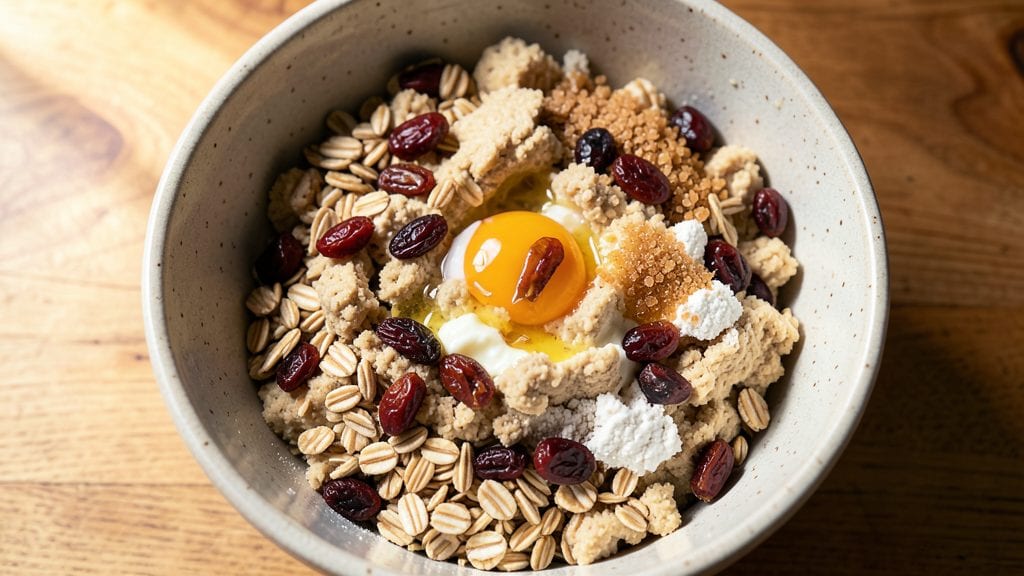
This Quaker Oats Raisin Cookie recipe delivers the perfect balance of chewy centers and crispy oat topping—exactly what makes them irresistible. The oats create that signature crunch while keeping the inside soft and tender, and the raisins add just the right amount of sweetness to complement the warm spices.
I've perfected this recipe over years of baking, ensuring every batch turns out with that ideal texture and flavor.
The secret to these cookies lies in the preparation: using old-fashioned rolled oats for texture and soaking the raisins in rum or warm water to plump them up. This method guarantees cookies that are rich in flavor and satisfying in every bite.
With just 10 ingredients and 15 minutes of prep time, you'll have a batch ready to bake in no time.
What you'll end up with are cookies that are crisp around the edges, chewy in the middle, and topped with golden-brown oats that add a delightful crunch.
The warm spices and raisins create a flavor profile that's both comforting and complex, perfect for sharing with family or enjoying on their own. These cookies stay fresh for days, making them ideal for meal prep or holiday baking.
For those with dietary restrictions, this recipe can easily be adapted with gluten-free oats and vegan substitutions. The key is maintaining the balance of textures and flavors that make these cookies so special. Let's get started on creating a batch that will impress everyone who tries them.
Ingredients for quaker oats raisin cookie
Ten simple ingredients transform into cookies with perfect chewy centers and crispy oat topping.
| Ingredient | Amount | Notes |
|---|---|---|
| Old-Fashioned Rolled Oats 🌾 | 2 cups | Not quick oats for texture |
| All-Purpose Flour 🌾 | 1 ½ cups | Sifted for even baking |
| Light Brown Sugar 🍚 | ¾ cup | Packed firmly for sweetness |
| Unsalted Butter 🧈 | ½ cup | Cold, cubed for mixing |
| Large Eggs 🥚 | 2 whole | Room temperature for blending |
| Vanilla Extract 🌿 | 1 tbsp | Pure, not imitation |
| Ground Cinnamon 🌶️ | 1 ½ tsp | Freshly ground preferred |
| Ground Nutmeg 🌶️ | ½ tsp | Finely ground for warmth |
| Sea Salt 🧂 | ½ tsp | Fine grain for balance |
| Raisins 🍇 | 1 ½ cups | Plumped in rum or warm water |
Old-fashioned rolled oats are non-negotiable here—they provide that signature crunch on top. Quaker Oats Old Fashioned from the store works perfectly, but check the label to ensure they're not quick oats. For the raisins, sun-dried or golden raisins add depth of flavor, but regular raisins work fine. Plumping them in rum or warm water is key—soak for 15 minutes before adding to the dough. The butter should be cold when mixed to prevent over-development, so pull it straight from the fridge. Brown sugar adds moisture and chewiness, so pack it firmly into the measuring cup.
No rum for the raisins? Warm water or orange juice works just as well. Want extra flavor? Swap half the raisins for chopped dates or dried cranberries. For nutmeg, freshly grated adds warmth, but ground is fine in a pinch. If you prefer less sweetness, reduce the brown sugar to 0.5 cup and add 0.25 cup maple syrup for moisture. The dough should hold together when pressed but not be sticky—if it's too dry, add 1 tbsp milk.
These cookies keep for 5-6 days in an airtight container at room temperature, but they're best within 3 days for peak texture. For longer storage, freeze portions for up to 3 months. Reheat in the oven at 300°F for 5 minutes to restore crispness. Double the batch and freeze half—perfect for holiday baking. The oats will crisp up again when reheated, so don't skip this step.
Why You'll Love This Recipe
- Here’s what sold me: the brown sugar keeps them soft inside while the edges get that perfect toasty crunch. Add the raisins at the end (so they stay plump) and you’ve got a cookie that’s ridiculously good—like a hug in edible form.
- No Mixer Needed: I’ll be real—this dough comes together with a fork, a bowl, and zero fuss. The rolled oats just get pulsed in a food processor (or smashed by hand if you’re feeling old-school), then folded into the rest. That’s it. No stand mixer, no overworking, just a few minutes of gentle mixing.
- Chewy-Crisp Magic: Here’s what sold me: the brown sugar keeps them soft inside while the edges get that perfect toasty crunch. Add the raisins at the end (so they stay plump) and you’ve got a cookie that’s ridiculously good—like a hug in edible form.
- Baking for Any Occasion: Honestly, these work everywhere. Pack them in lunchboxes for school or work—they hold up for days. Or bake a batch for a potluck where no one will guess they’re oat-based. Even my picky nephew asks for seconds, and that’s saying something.
Step-by-step instructions for quaker oats raisin cookies
Here's how to create chewy centers with a perfect oat crunch using just 10 simple ingredients.
Mix Dry Ingredients for Even Texture
In a large mixing bowl, combine the 2 cups of old-fashioned rolled oats with the 1.5 cups of all-purpose flour. Sift the flour first to eliminate any lumps, then gently fold it into the oats using a silicone spatula. This ensures even distribution of the oats throughout the dough, which creates those beautiful crunchy pockets in each cookie.
Next, add the 1.5 teaspoons of ground cinnamon, 0.5 teaspoon of ground nutmeg, and 0.5 teaspoon of sea salt to the bowl. Whisk these spices together in a small bowl first to prevent clumping, then sprinkle them evenly over the oat-flour mixture. The spices should be fully incorporated but not overmixed—just until you can no longer see distinct specks of color. This step builds the warm, aromatic foundation of the cookies.
Cream Butter and Sugar for Light Structure
In a separate medium bowl, cut the 0.5 cup of unsalted butter into small cubes and let it sit at room temperature for 10 minutes if it's cold. Using an electric mixer on medium speed, beat the butter with the 0.75 cup of light brown sugar until light and fluffy, about 3-4 minutes. You'll know it's ready when the mixture nearly doubles in volume and leaves faint ribbons when the beaters are lifted.
This creaming process incorporates air into the dough, which creates the signature chewy texture. If the butter is too cold, it won't cream properly; if it's too soft, the cookies may spread excessively. The brown sugar should be packed firmly in the measuring cup to ensure accurate sweetness and proper moisture content in the dough.
Add Eggs and Vanilla for Binding
Add the 2 whole large eggs, one at a time, mixing on low speed after each addition until fully combined. The eggs should be at room temperature to blend smoothly into the butter mixture. After the eggs are incorporated, add the 1 tablespoon of vanilla extract and mix for an additional 30 seconds. The vanilla enhances the warm spices and adds depth to the flavor profile.
Real talk: Don't overmix at this stage. You're looking for a smooth, slightly thick batter that holds together when dropped from a spoon. The dough should be cohesive enough to form soft balls but still soft enough to flatten slightly when pressed. If it's too dry, add 1 teaspoon of milk (not in the ingredients list, but you can use the reserved raisin soaking liquid if available).
Fold in Raisins and Form Dough Balls
Gently fold the 1.5 cups of raisins into the dough using your hands or a spatula. The raisins should be evenly distributed but not overworked—this prevents them from breaking apart and releasing excess moisture, which can make the cookies dense. If you soaked the raisins in rum or warm water, drain them thoroughly before adding to the dough to maintain the proper texture.
Once the raisins are incorporated, use a cookie scoop or tablespoon to measure out 1-tablespoon portions of dough. Roll each portion into a ball, then flatten slightly by pressing down with your palm. The dough should hold its shape when rolled but still be soft enough to flatten when pressed. Place the formed dough balls on a parchment-lined baking sheet, spacing them about 2 inches apart to allow for spreading during baking.
Bake to Golden Perfection
Preheat your oven to 350°F and bake the cookies for 12-14 minutes, until the edges are golden brown and the tops are set but still slightly soft in the center. The centers should look slightly underdone—they'll firm up as they cool. You're aiming for that classic chewy texture that contrasts with the crisp oat topping.
Don't overbake—pull them out when the edges are just beginning to turn golden. The cookies will continue cooking on the hot baking sheet for another 2-3 minutes. Let them cool on the baking sheet for 5 minutes before transferring to a wire rack to cool completely. This resting period allows the cookies to set properly and prevents them from becoming too soft or sticky.
Pro Tips For Making Quaker Oats Raisin Cookie
- Pulse the Oats: DESCRIPTION: Ditch the food processor—toss the rolled oats in a heavy-duty bag and smash them with a rolling pin or skillet. You’re aiming for a mix of fine crumbs and slightly larger bits, not oat flour. I learned this the hard way after burning out my processor’s motor; this method takes 2 minutes and gives you that perfect chewy texture.
- Brown the Butter: DESCRIPTION: Don’t skip this step—melt the butter until it’s golden and fragrant, with little brown flecks settling at the bottom. That nutty depth is what makes these cookies taste like a bakery, not a shortcut. Just don’t walk away; it burns faster than you think.
- Chill the Dough: DESCRIPTION: Wrap the dough in plastic and refrigerate it for at least 2 hours, or overnight if you’re patient. Cold dough spreads less, stays chewier, and lets the raisins soak up the flavor. I used to skip this and ended up with sad, flat cookies—now I treat it like a non-negotiable rest.
- Toast the Raisins: DESCRIPTION: Spread raisins on a baking sheet and dry-toast them at 300°F for 8–10 minutes until plump and wrinkled. This banishes that dried-out raisin taste and makes them melt into the cookie instead of staying hard. Sounds weird, but it works—your cookies will thank you.
Creative variations of this recipe
Spiced Rum Swirl
For a boozy twist, replace the raisin soaking liquid with 2 tablespoons spiced rum (like Captain Morgan Original) mixed with 1 tablespoon warm water. After baking, use a skewer to poke a hole in each cookie and drizzle 1 teaspoon rum into the center.
Let them cool completely before serving—this creates a delicious surprise swirl that pairs perfectly with the warm spices. 🍷
Chocolate-Dipped Variations
After baking, let the cookies cool completely, then dip half of each cookie into melted dark chocolate (I use Ghirardelli 70% cacao). Sprinkle with crushed pecans or flaky sea salt before the chocolate sets.
The chocolate adds richness that balances the sweetness of the raisins and the crunch of the oats. Store in an airtight container to prevent sogginess. 🍫
Nutty Crunch Add-Ins
Fold in ½ cup chopped walnuts or pecans along with the raisins for extra texture. Toast the nuts in a dry pan over medium heat for 3-4 minutes until fragrant before adding to the dough.
The toasted nuts add a buttery depth that complements the oats and raisins beautifully. For a richer flavor, use pecan halves instead of chopped nuts. 🌰
Gluten-Free Adaptation
Replace the all-purpose flour with a 1:1 gluten-free flour blend (like Bob's Red Mill 1-to-1) and use certified gluten-free oats. The texture will be slightly denser, so reduce the baking time by 1-2 minutes to prevent over-browning.
These cookies still deliver that signature chewy center and crispy oat topping, just without the gluten. 🌾
Vegan Substitutions
Use vegan butter (like Miyoko's) and replace the eggs with 2 tablespoons ground flaxseed mixed with 6 tablespoons water (let it sit for 5 minutes to thicken).
For binding, add 1 tablespoon applesauce to the dough. The cookies will hold together well and still achieve that perfect chewy texture. 🌱
Seasonal Citrus Twist
Add 1 teaspoon finely grated orange zest to the dry ingredients and replace half the raisins with dried cranberries. The citrus brightens the warm spices and adds a festive touch, perfect for holiday baking.
For extra flavor, soak the raisins in orange juice instead of water before adding to the dough. 🍊
Nutrition facts
Frequently asked questions
Why do these oat cookies have a chewy center?
The chewy texture comes from creaming the butter and brown sugar properly to incorporate air, then using cold butter that melts slowly in the oven. The 1.5 cups of old-fashioned rolled oats also absorb moisture while baking, creating that signature contrast with the crispy top.
Can I substitute quick oats for old-fashioned rolled oats?
No, quick oats won't give the same texture—they're too soft and will make the cookies dense. Old-fashioned rolled oats provide that perfect crunchy topping while keeping the centers chewy. If you're in a pinch, toast 1 cup of quick oats in a dry pan for 3-4 minutes to mimic the texture slightly.
How do I prevent the raisins from sinking to the bottom?
Fold the raisins in gently with a spatula or your hands, just until evenly distributed. Overmixing releases excess moisture, which makes the dough sink. For extra lift, chill the dough for 30 minutes before baking—this helps the cookies hold their shape.
Can I make these cookies gluten-free?
Yes! Replace the all-purpose flour with a 1:1 gluten-free blend and use certified gluten-free oats. The texture will be slightly denser, so reduce baking time by 1-2 minutes to avoid over-browning. The chewy centers and crispy oat topping will still shine through.
Why did my cookies spread too much?
Overmixing the dough or using butter that's too soft causes excessive spreading. Make sure your butter is cold (but not frozen) and mix just until combined. Chill the dough balls for 15 minutes before baking, and use a cookie scoop for even portions.