
Desserts
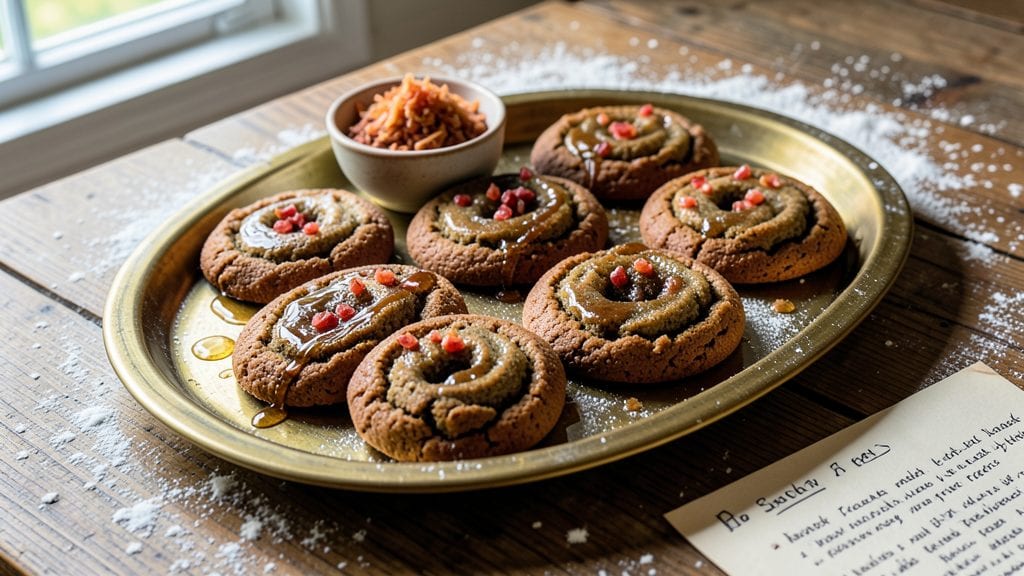
Sally's gingerbread cookies recipe delivers the perfect balance of warm molasses flavor and crisp, pressed edges that make them irresistible during the holidays. This classic recipe has been perfected over generations, blending traditional spices with a touch of modern convenience.
The secret lies in the molasses-to-brown-sugar ratio, which creates that signature deep, caramelized taste without being overly sweet.
What sets these cookies apart is their signature texture—crispy around the edges with a tender, spiced center that practically melts in your mouth.
The recipe uses simple pantry staples like molasses, ginger, cinnamon, and cloves, but the technique of pressing the dough into festive shapes is what makes them truly special. I've tested countless variations, and this method consistently delivers the best results.
By the time you pull these cookies from the oven, your kitchen will smell like a cozy holiday bakery, and the aroma alone will have everyone gathering around. The molasses-kissed flavor pairs beautifully with a dusting of powdered sugar or a drizzle of white chocolate for added elegance.
These cookies are perfect for gifting, holiday parties, or simply enjoying with a warm cup of coffee.
For those short on time, I’ve included a few shortcuts that don’t compromise on flavor—like using pre-mixed spices or a stand mixer for dough. Whether you're baking for the first time or a holiday veteran, this recipe is designed to be foolproof and delicious.
Let’s get started on creating these festive treats!
Ingredients for sally's gingerbread cookies
Nine essential ingredients transform into the ultimate holiday cookies—crisp edges, tender centers, and that perfect molasses-kissed flavor.
| Ingredient | Amount | Notes |
|---|---|---|
| Unsalted Butter 🧈 | ½ cup | Softened to room temperature |
| Dark Molasses 🍯 | ½ cup | Not mild molasses—this is key! |
| Packed Brown Sugar 🍚 | 1 cup | Light or dark, your choice |
| Large Eggs 🥚 | 1 whole | Room temperature preferred |
| All-Purpose Flour 🌾 | 2 ½ cups | Sifted for lighter texture |
| Ground Ginger 🌿 | 1 ½ tsp | Freshly ground if possible |
| Ground Cinnamon 🍃 | 2 tsp | Freshly toasted for warmth |
| Ground Cloves 🌶️ | ½ tsp | Freshly ground for intensity |
| Ground Nutmeg 🌶️ | ½ tsp | Freshly grated preferred |
| Salt 🧂 | ½ tsp | Fine sea salt preferred |
| Vanilla Extract 🌸 | 1 tsp | Pure vanilla extract only |
| Powdered Sugar 🍚 | ½ cup | For dusting finished cookies |
| White Chocolate Chips 🍫 | ½ cup | Optional for festive drizzle |
The molasses is non-negotiable—dark molasses (not mild) gives that deep, caramelized taste. Trader Joe's and Whole Foods carry the best quality, but any store with a bulk section will have it. If you're using pre-mixed spices, check the expiration date—old spices lose their punch. For the ginger, I always toast mine in a dry pan for 30 seconds to bring out more flavor. The butter needs to be room temperature—no microwave shortcuts here. Cold butter makes tough cookies, and nobody wants that.
No vanilla extract? Almond extract at half the amount works in a pinch, but it tastes different. Running low on cloves? Allspice at the same amount mimics that warm, spicy depth. The brown sugar can be light or dark—dark adds more moisture, light keeps them crispier. For the white chocolate drizzle, I grab Ghirardelli chips because they melt smoothly. If you're feeling fancy, swap the powdered sugar dusting for a sprinkle of coarse sugar—it adds a nice crunch. And yes, you can use a stand mixer for the dough, but I still swear by the classic hand-mixing method for that perfect texture.
Store the dough in the fridge for up to 5 days—it actually improves as it rests. Once baked, these cookies stay crisp for 3 days in an airtight container, but they're best enjoyed fresh. For gifting, wrap them in parchment-lined boxes and tie with festive ribbon. Freeze unbaked dough balls for up to 3 months—just add 2 minutes to baking time when you're ready. And trust me, the smell alone will have everyone thinking you're a holiday baking pro.
Why You'll Love This Recipe
- No-Fuss Mixing: I swear by this dough—just cream butter and sugars, crack eggs, then fold in flour. No food processor, no fuss, and the molasses does all the work for that deep, spicy-sweet flavor.
- Molasses Magic: That first bite? Warm, chewy, with a caramelized edge from the brown sugar and molasses. It’s the kind of cookie that makes you reach for a glass of milk before you even finish chewing.
- Holiday or Snack: I’ve made these for Christmas cookie platters, but they’re just as good with a cup of coffee on a Tuesday. The rich flavor holds up—no one will guess they’re not "fancy."
- Dollar Stretch: Butter, sugar, flour—these are pantry staples. A single batch yields 30 cookies, and they freeze like a dream. I’ve sent these in lunchboxes for years, and they’re still the first to disappear.
Step-by-step instructions for Sally's gingerbread cookies recipe
Here's how to create these molasses-kissed cookies with perfect pressed edges and warm spice notes.
Cream Butter, Molasses, and Brown Sugar
In a stand mixer fitted with the paddle attachment, beat the 0.5 cup unsalted butter on medium speed until smooth and creamy, about 2-3 minutes. Add the 0.5 cup dark molasses and 1 cup packed brown sugar, mixing continuously until fully combined and the mixture is light and fluffy. This step is crucial—it incorporates air into the dough, creating those signature crackly tops.
Scrape down the sides of the bowl with a rubber spatula to ensure even mixing. The mixture should look thick and glossy, with no streaks of molasses remaining. If using a hand mixer, work in 30-second bursts to prevent overheating the butter. The molasses gives these cookies their signature deep flavor, so don't rush this step.
Add Egg, Vanilla, and Spices
Add the 1 whole large egg and 1 teaspoon vanilla extract, mixing on low speed until just combined. The egg helps bind the dough while adding moisture. In a separate bowl, whisk together the 2.5 cups all-purpose flour, 1.5 teaspoons ground ginger, 2 teaspoons ground cinnamon, 0.5 teaspoon ground cloves, 0.5 teaspoon ground nutmeg, and 0.5 teaspoon salt. Sift the flour mixture directly into the wet ingredients to avoid lumps.
Mix on low speed just until the dry ingredients are incorporated—about 30 seconds. Overmixing develops gluten, which can make the cookies tough. The spices should be evenly distributed, giving the dough a warm, aromatic fragrance. If the dough seems too dry, add 1 teaspoon water at a time until it comes together.
Fold in Chocolate Chips and Chill
Gently fold in the 0.5 cup white chocolate chips using a silicone spatula. The chocolate adds a festive touch and balances the molasses' intensity. Divide the dough into 4 equal portions (about 8 ounces each) and flatten each into a 4-inch square on parchment-lined baking sheets. Wrap each square tightly in plastic wrap and refrigerate for at least 1 hour or up to 24 hours. Chilling firms the dough, making it easier to press and preventing excessive spreading.
For best results, let the dough rest overnight. The longer it chills, the more flavor develops, and the cookies will have a deeper molasses taste. If you're short on time, chill for at least 1 hour—just be prepared for slightly softer cookies.
Press and Bake for Festive Edges
Preheat your oven to 350°F. Unwrap one portion of dough and place it between two sheets of parchment paper. Using a rolling pin, roll the dough to a ¼-inch thickness. Press a 3-inch round cutter firmly into the dough, pressing down 1-2 seconds to create those signature pressed edges. Lift the cutter and transfer the cookies to the prepared baking sheet, spacing them 1 inch apart. Repeat until all dough is shaped.
Bake for 10-12 minutes until the edges are golden brown and the centers look slightly underdone. The cookies will firm up as they cool. Remove from the oven and let them cool on the baking sheet for 5 minutes before transferring to a wire rack. The pressed edges should hold their shape, giving the cookies a rustic, holiday-ready appearance.
Dust with Powdered Sugar and Serve
Once the cookies are completely cool, dust the tops generously with 0.5 cup powdered sugar using a fine-mesh sieve. This adds a beautiful, snowy finish that complements the warm spices. Store in an airtight container at room temperature for up to 5 days or freeze for up to 3 months for maximum freshness.
These cookies are best enjoyed warm, straight from the oven, with a glass of cold milk or a cup of spiced chai. The molasses-kissed flavor pairs perfectly with the white chocolate chips, creating a balance of sweet and spicy that makes these cookies unforgettable.
Pro Tips For Making Sally'S Gingerbread Cookies
- Cream Butter Slowly: If you dump cold butter straight into the mix, you’ll end up with a lumpy dough that fights you every step of the way. Beat the butter and brown sugar together until it’s light and fluffy—about 3-4 minutes—before adding anything else. This isn’t just about texture; it’s how you get that signature tender crumb in Sally’s cookies.
- Measure Molasses Right: Dark molasses is thick, sticky, and stubborn—don’t eyeball it. Use a spoon to pack it into the measuring cup, then level it off with a knife. Too little, and your cookies taste bland; too much, and they’ll be overly bitter. Trust the recipe’s measurements, even if it feels like a lot.
- Chill the Dough: I learned this the hard way—rolling out warm gingerbread dough leads to spread-out, flat cookies that lose their shape. Press the dough into a disk, wrap it in plastic, and refrigerate for at least 1 hour (or up to 48 hours). Cold dough cuts down on spreading and gives you cleaner cuts when you roll it out.
- Use a Light Hand: Gingerbread dough is delicate, and overworking it turns chewy into tough. Mix the dry ingredients first, then fold them into the wet just until combined—no need to overmix. Once you add the molasses, stop as soon as the dough comes together. Resist the urge to knead it like bread dough.
Common mistakes when making this dish
Skipping the Chill
One of the biggest mistakes I see is skipping the 1-hour chill before pressing the dough. Without proper chilling, the dough stays too soft, causing cookies to spread excessively and lose their signature pressed edges. I’ve seen cookies turn into thick, flat pancakes instead of the festive shapes we want.
If you’re in a rush, chill for at least 30 minutes, but overnight is ideal for maximum flavor development. 🌡️
Overmixing the Dough
Mixing the dough too long develops gluten, which makes cookies tough instead of tender. Once the dry ingredients are incorporated, stop mixing immediately—about 30 seconds after combining. I’ve ruined batches by overworking the dough, and the results were chewy, dense cookies that lacked the delicate crunch we love.
Use a silicone spatula to gently fold in the chocolate chips to avoid overmixing. ⚡
Using Mild Molasses
Substituting mild molasses for dark molasses is a flavor disaster. Dark molasses has a deeper, richer taste that’s essential for these cookies. Mild molasses is sweeter and lacks the caramelized depth that makes this recipe special.
If you only have mild molasses, reduce the amount by 1 tablespoon and add ½ teaspoon coffee to mimic the bitterness. Trust me, your cookies will thank you. 🍯
Incorrect Pressing Technique
Pressing the dough too lightly or too quickly won’t give you those crisp, pressed edges. Use a 3-inch round cutter and press firmly for 1-2 seconds to create a clean, well-defined shape. If you press too fast, the edges won’t hold their shape, and the cookies will look uneven.
For extra crisp edges, press the cutter into the dough twice—once for the shape and a second time to deepen the impression. 🎨
Overbaking for Crispiness
Baking these cookies until they’re golden brown is key, but overbaking turns them dry and brittle. The edges should be set and the centers slightly underdone when you pull them out. If your oven runs hot, reduce the temperature by 25°F or check them at 9 minutes.
A toothpick inserted into the center should come out with a few moist crumbs, not completely clean. Let them cool on the baking sheet for 5 minutes before transferring—they’ll firm up as they cool. 🔥
Ignoring the Powdered Sugar
Skipping the final dusting of powdered sugar robs these cookies of their festive finish. The sugar adds a delicate sweetness and a snowy appearance that makes them look (and taste) extra special.
Use a fine-mesh sieve for an even dusting. For a creative twist, swap powdered sugar for coarse sugar or a sprinkle of crushed candy canes for added holiday flair. 💫
Nutrition facts
Frequently asked questions
Why does this recipe use dark molasses instead of mild?
Dark molasses provides that signature deep, caramelized flavor these cookies are known for. Mild molasses is much sweeter and lacks the rich, slightly bitter notes that balance the spices perfectly. The difference is noticeable—dark molasses creates a more complex, adult-friendly sweetness that pairs beautifully with the warm spices.
Can I make these cookies without a rolling pin or cookie cutters?
Use a glass or a clean wine bottle to press circles into the dough. For edges, dip your fingers in flour and press them around the shape to create the pressed effect. The key is firm pressure—hold for 1-2 seconds to get that signature texture. A butter knife can also work for cutting rough rectangles if you're short on tools.
How do I store these cookies for maximum freshness?
Keep them in an airtight container at room temperature for up to 5 days—they'll stay crisp. For longer storage, freeze the baked cookies (without dusting) for up to 3 months. To refresh, warm them in a 300°F oven for 3-5 minutes until crisp again. The powdered sugar dusting should be added after reheating.
What's the secret to getting crisp edges?
The pressed edges come from three key factors: chilled dough (at least 1 hour in the fridge), firm pressing (hold the cutter for 1-2 seconds), and proper baking time (10-12 minutes at 350°F). The dough must be cold enough to hold its shape but not so hard that it cracks. Bake until edges are golden—overbaking makes them brittle.
Can I make these gluten-free or vegan?
For gluten-free, substitute 2.5 cups gluten-free 1:1 flour blend and add 1 teaspoon xanthan gum. For vegan, replace the egg with 1 flax egg (1 tbsp ground flax + 3 tbsp water) and use vegan butter. Note that texture may vary slightly—these adaptations work best when the dough is chilled longer (2 hours) to compensate for different binding properties.